







Common Challenges in Rubber Gasket Applications and How to Address Them
News
January 8, 2024
In the world of sealing solutions, rubber gaskets stand as stalwart defenders against leaks, environmental factors, and mechanical stresses. Their flexibility, resilience, and reliability make them indispensable components across a wide spectrum of industries, from automotive to aerospace, manufacturing to medicine and everything in between. Yet, even the most robust...


In the world of sealing solutions, rubber gaskets stand as stalwart defenders against leaks, environmental factors, and mechanical stresses. Their flexibility, resilience, and reliability make them indispensable components across a wide spectrum of industries, from automotive to aerospace, manufacturing to medicine and everything in between. Yet, even the most robust rubber gasket can face challenges in their applications which can lead to compromised performance and costly consequences. This is why selecting the most suitable grades of rubber is vital.
In this article, we will shine a spotlight on some of the most common issues that rubber gaskets encounter in their mission to cushion and seal. Whether you are a seasoned engineer, or just curious about the best gasket materials for a product or project you have in mind, read on to find out more about challenges with compression set, chemical compatibility, and other problems preventing gaskets from functioning effectively.
Common Factors Affecting Rubber Gasket Applications
Compression Set
Compression set measures a rubber material’s ability to recover its original shape and thickness once compressive force is removed. For many gaskets that see cyclical compression and relaxation as machinery operates, a low compression set is important for ensuring a long lifespan and reducing the likelihood of gasket failure. This is because gaskets with low compression set return to their original shape and density when being compressed, allowing for a tight seal.
For some gasket applications, a material with a high compression set is required, particularly if the gasket will fit between two separate parts that are attached and firm, durable material is needed. High compression set materials are therefore less flexible, which may result in a loss of sealing effectiveness over time. Gaskets with a high compression set may need frequent replacement or adjustment to maintain an effective seal.
Gasket materials with good compression set characteristics (dependent on grade) include:
- Neoprene rubber
- Commercial rubber
- EPDM rubber
- Silicone rubber
Chemical resistance
Exposure to chemicals can result in significant challenges for gasket applications, so it’s vital to choose rubber materials with excellent chemical resistance. One of the primary challenges faced by rubber gasket applications is that chemicals can cause the rubber to degrade over time. Chemically aggressive substances can break down the molecular structure of the rubber and compromise its integrity, whilst chemicals may also cause rubber to soften, swell, harden or become brittle and cracked.
As gaskets degrade, there is an increased risk that they will lose the ability to maintain a reliable seal, resulting in leaks, which can be extremely detrimental in applications where sealing is critical. Exposure to chemicals can significantly shorten the lifespan of rubber gaskets when an appropriate grade of rubber is not selected.
Rubber materials with a high resistance to chemicals (dependant on grade) include:
- Silicone rubber
- Neoprene rubber
- Nitrile rubber
- EPDM rubber
Extreme temperature resistance
Exposure to extreme temperatures can significantly impact the performance and longevity of rubber gaskets when materials without the required level of temperature resistance are not used.
At extremely low temperatures, rubber materials can lose flexibility, harden and become more rigid. This loss of flexibility can lead to considerably less effective sealability, as the gasket may no longer conform to the mating surfaces that it is designed to seal, therefore resulting in leaks.
In contrast, gaskets exposed to extremely high temperatures may soften or even melt. As rubber materials soften, they lose their structural integrity and sealing ability, which may cause severe damage to equipment or even pose safety risks.
Fluctuations between hot and cold temperatures can also pose problems for some rubber materials. When gaskets are exposed to thermal cycling, switching from hot to cold and vice versa, this can cause them to repeatedly expand and/or contract, leading to gasket fatigue and making cracks and sealing failure much more likely.
Extreme temperatures can also affect the compression set of gasket materials, reducing their ability to recover to their original shape after compression. Gaskets can therefore be permanently deformed, leading to a compromised seal.
Gasket materials compatible for use with high temperature include:
- Silicone rubber
- HNBR
- FKM (Viton ®)
Gasket Material Selection
At CB Frost, in addition to manufacturing rubber gaskets, we also stock and supply an extensive range of rubber, synthetic rubber and plastic materials to suit practically any application. If you are unsure on which gasket materials to choose for each application, our experienced sales team is on hand to discuss your requirements and help you select the material grade with the ideal characteristics for the conditions your gaskets will be exposed to.
If you need assistance in gasket material selection, contact us today.
Keep up to date with the
latest CB Frost & Co news

The end of the year is approaching, so there is no time like the present to take a look back at key events that have defined 2024 for CB Frost & Co. From navigating another busy events season, to welcoming new talent to our sales team, it has been another year of growth. We are […]

As CB Frost grows and explores new markets, it’s important that we invest in the growth and development of our team. For a number of months now, we have been searching for the ideal candidate to bolster our sales team and we are very pleased to announce the appointment of Elliot Beach as our new […]
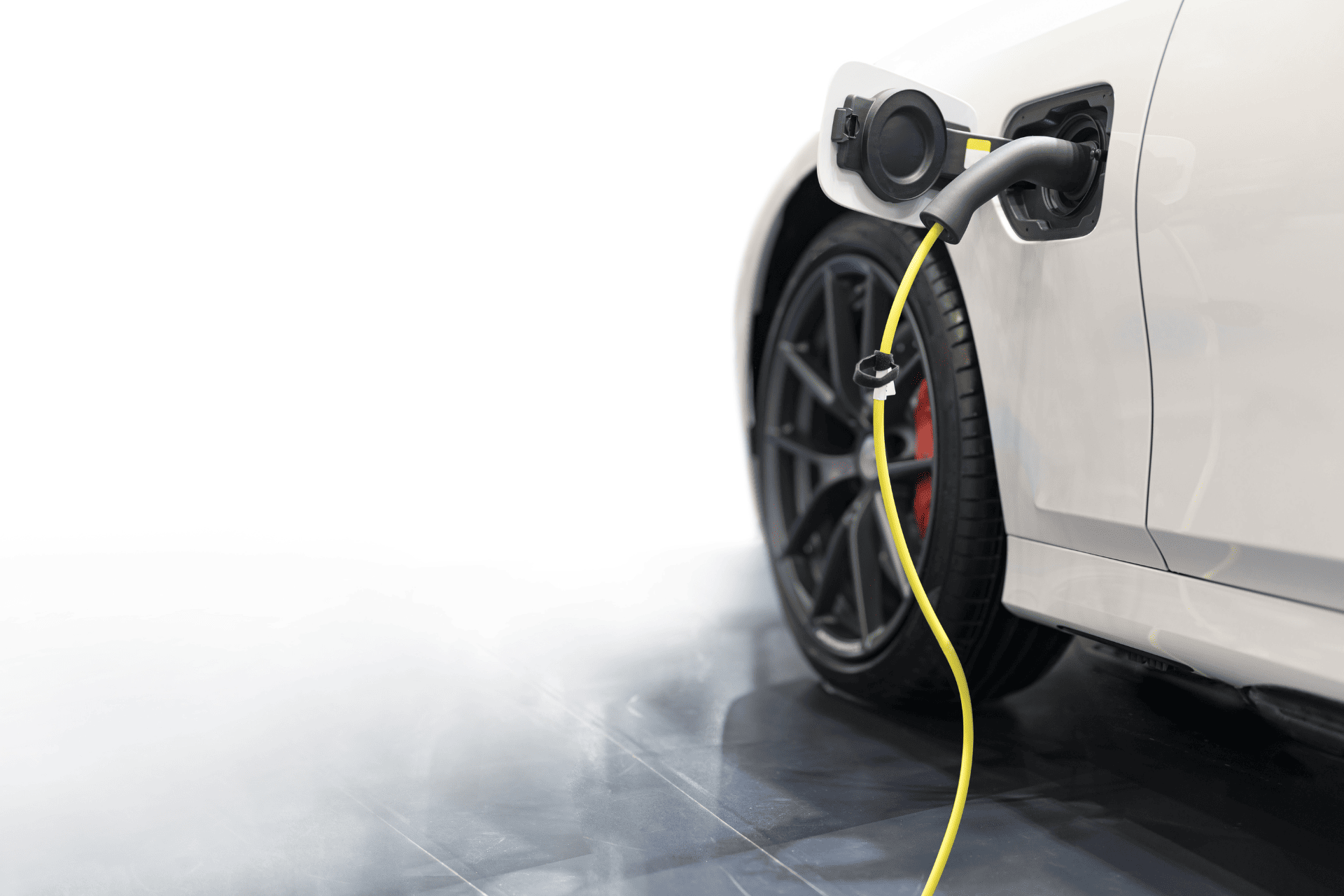
In the rapidly expanding and evolving landscape of electrical vehicles (EVs), one critical aspect that takes centre stage is the thermal management of EV batteries. Teaming up with Rogers’ Corporation, we supply high performance insulation materials to safely manage the temperature of lithium-ion batteries, preventing thermal runaway and propagation. With the government pledging to meet […]

At CB Frost, in keeping with our core values, as well as our commitment to moving with the times and embracing new technologies, we also maintain a dedication to respecting the environment at all times and working to give back to society. As a result, to remain as a market leader in our industry, we […]

Having entered into the EV battery market in 2022, CB Frost is on board to support the developing electric car industry as it grows over the next decade. Whilst the balance of vehicles on the roads in the UK and Europe today is weighted considerably in the favour of traditionally fueled vehicles, as opposed to […]

Nitrile rubber, also known as Buna-N or NBR, is a synthetic copolymer of acrylonite (ACN) and butadiene. First developed by a German pharmaceutical conglomerate in 1931, commercial production of nitrile rubber began in 1935 and is now widely used in a range of industries in addition to medical and pharmaceutical, particularly the food, automotive, aerospace, […]

As the festive lights brighten the streets of Birmingham, and we prepare to shut down for Christmas, we find ourselves reflecting on more than just our production targets and latest projects. At CB Frost & Co, this time of year is always a time to pause and consider our role within the community that has […]

As a specialist in the supply and conversion of rubber, sponge and foam materials for an extensive range of industrial applications, we work hard to meet our customer requirements, and do what we can to adapt our products to improve their processes. For example, our adhesive laminating processes can be used to apply adhesive backing […]
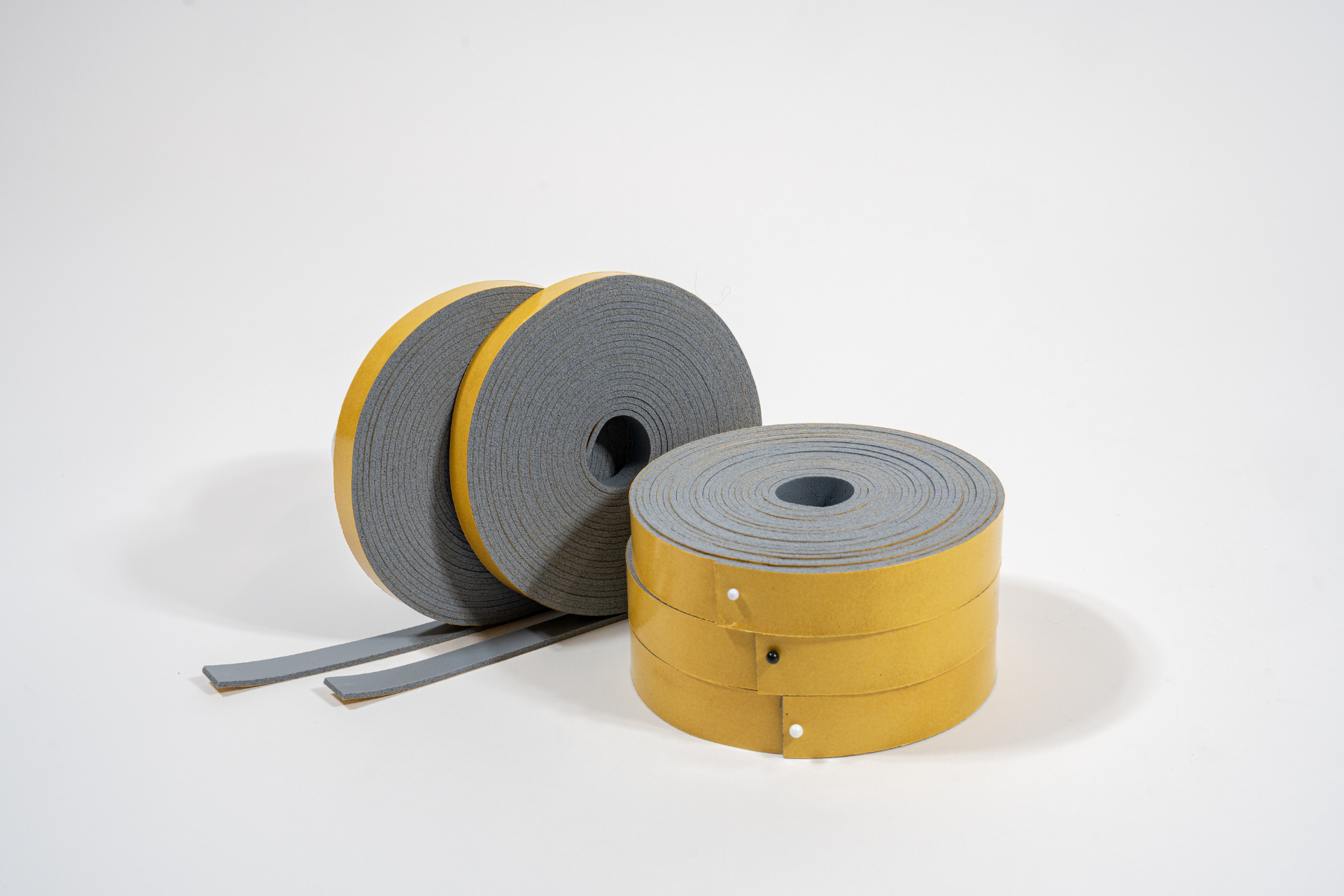
Sealing and protecting infrastructure like outdoor electrical enclosures, industrial lighting and HVAC units is a key consideration for engineers and manufacturers. In environments where there is a constant battle against the elements, a seal failure doesn’t just mean a bit of water ingress, but can lead to huge system failures that generate major safety hazards, […]