







Thermal Management and Sealing in EV Battery Packs – Silicone Foam
News
November 11, 2026
The electric vehicle (EV) market is accelerating at a rapid pace as governments around the world introduce strict regulations and legal mandates aimed at drastically reducing greenhouse gas emissions. As personal transportation becomes increasingly reliant on electricity, the demands on EV battery packs are higher than ever. To ensure electric...
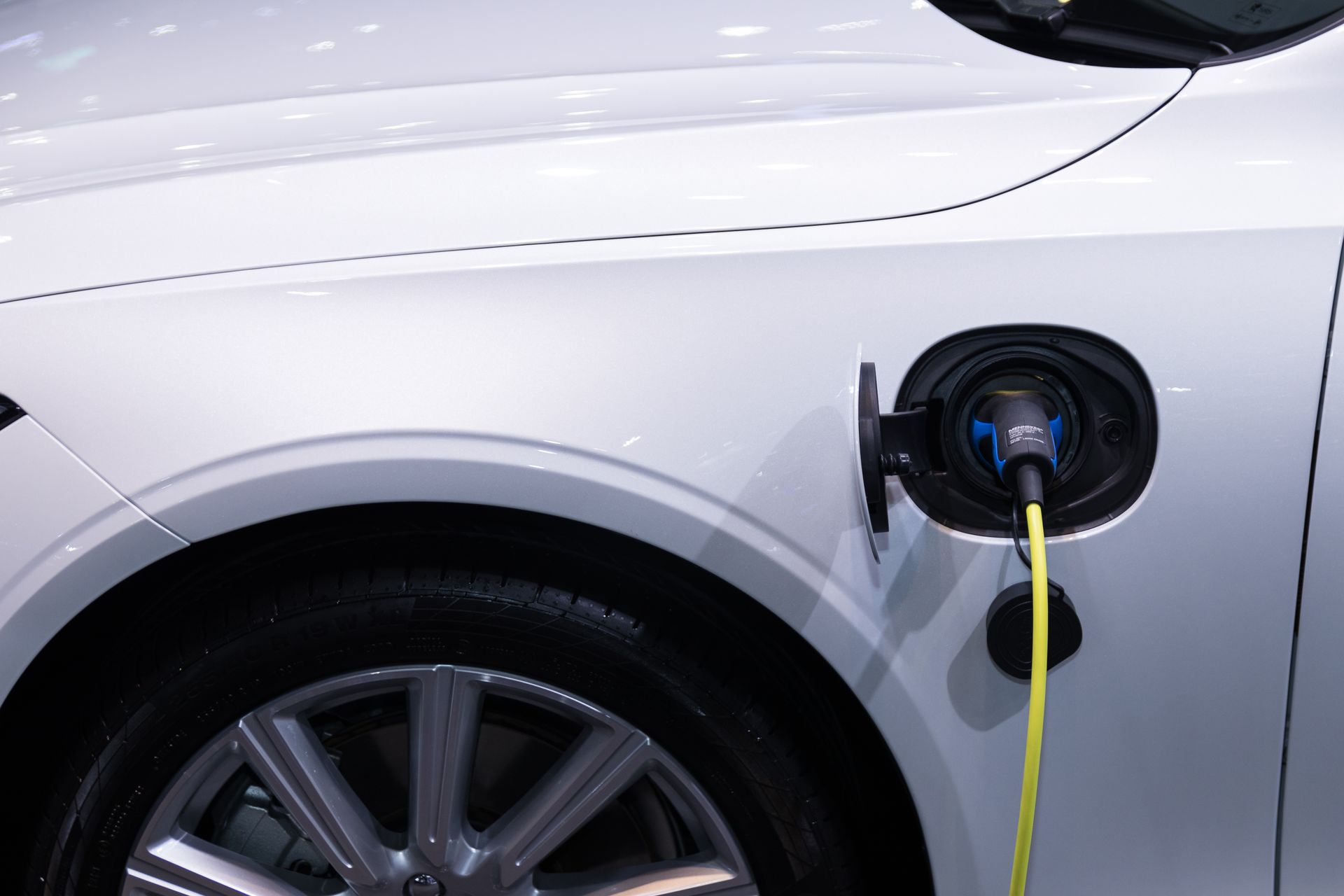
The electric vehicle (EV) market is accelerating at a rapid pace as governments around the world introduce strict regulations and legal mandates aimed at drastically reducing greenhouse gas emissions. As personal transportation becomes increasingly reliant on electricity, the demands on EV battery packs are higher than ever. To ensure electric vehicles deliver maximum range, safety, and longevity, engineers are faced with strict requirements for Lithium-ion battery enclosures.
What Are Two of the Most Critical Challenges for EV Battery Packs?
Two of the most important challenges for EV batteries are thermal runaway protection and robust weather sealing.
Many standard insulation materials cannot withstand the harsh environments within an EV battery pack. This is why silicone foam materials have become the go to for EV battery pads, enclosure seals, and vibration isolators.
Why Do Standard Rubbers Fall Short?
Lithium-ion batteries are highly sensitive, requiring robust cushioning, vibration isolation, and complete protection from dust and moisture. Standard commercial rubbers, along with standard Nitrile and Neoprene rubbers struggle with extreme temperature fluctuations, leading to structural degradation, poor compression set resistance, and failure over the lifespan of a vehicle.
In contrast, specialised cellular silicone foams such as BF1000, BF2000, HT800 possess a unique ability to produce a very consistent level of force across a wide range of compressions, whilst withstanding temperatures as low as -55℃ and as high as +200℃. They maintain their structural integrity, ensuring that battery cells stay perfectly aligned, safely sealed, and isolated from the effects of road shock and vibration.
Defending Against Thermal Runaway
One of the biggest safety concerns in EV battery design is thermal runaway, the dangerous cycle where unstable cell chemistry creates excessive heat, potentially spreading rapidly from one cell to another.
High performance silicone materials such as HT800, BF1000 and BF2000 from the Rogers Corporation BISCO® range are engineered to combat this. With their temperature resistant qualities and sealing capabilities, they act as a barrier to provide excellent thermal propagation delay. This helps to contain extreme heat and pressure. These high performance silicone foams are also UL94-V0 compliant, providing the flame retardancy needed for high voltage EV battery enclosures.
Silicone Foam vs Standard Commercial Rubber in EV Applications
To understand why silicone foams are the industry standard for EV thermal management, cushioning, and vibration isolation, we should consider their fundamental properties compared to other insulation materials.
| Material Property | High-Performance Silicone Foam | Standard Commercial Rubber Equivalents |
| Temperature Resistance | Strong, performing reliably in extreme heat and sub-zero conditions (-55℃/+200℃) | Suitable for moderate temperatures, but prone to cracking or melting at extremes |
| Compression Set | Maintains original shape and push-back force over time | Permanently deforms under continuous stress |
| Thermal Runaway Protection | High (UL94-V0 compliant, delaying thermal propagation) | Low (often highly flammable without toxic additives) |
| Environmental Sealing | Blocks moisture, dust, UV and chemicals | Degrades upon prolonged environmental exposure |
The Core Benefits for EV Battery Packs
For automotive designs looking to optimise performance and safety, integrating specialist cellular silicone foam gaskets provides clear, measurable advantages for battery compression pads and cushions, anti-vibration pads, battery enclosure seals, and thermal runaway:
- Vibration Dampening: Absorbs internal impact energy and road vibration to prolong the battery’s operational lifetime.
- Predictability: Enables designers to accurately predict material performance across different dimensional tolerances.
- Safety Assurance: Meets strict automotive and EV flammability and low-outgassing requirements.
- Cooling: Acts as an elastomeric spring to maintain close contact between battery cells and cooling plates.

CB Frost Battery Pad Solutions
As EV continue to be more prevalent on the roads, the need to protect sensitive lithium-ion cells from moisture, vibration and heat is vital. Specifically-engineered materials are needed to guarantee the safety and efficiency required by modern electric cars. By specifying premium silicone foam materials, EV manufacturers can dramatically improve battery pack safety and extend their lifespan.
At CB Frost, we have teamed up with our longtime partner Rogers Corporation to deliver bespoke anti-vibration and thermal management solutions for the EV/HEV sector. With Rogers Corporation’s expertise in high-performance cellular silicones and our precision gasket manufacturing capabilities, we ensure your battery enclosures are sealed and secured, ready for the road ahead.
Keep up to date with the
latest CB Frost & Co news

At CB Frost & Co, “Quality without compromise” is more than just a catchy tagline—it’s the ethos that has driven our business for over 100 years. A lot has changed since our beginnings in 1921, but our drive to provide the best for our customers has not. Whether we are manufacturing intricate gaskets for the […]
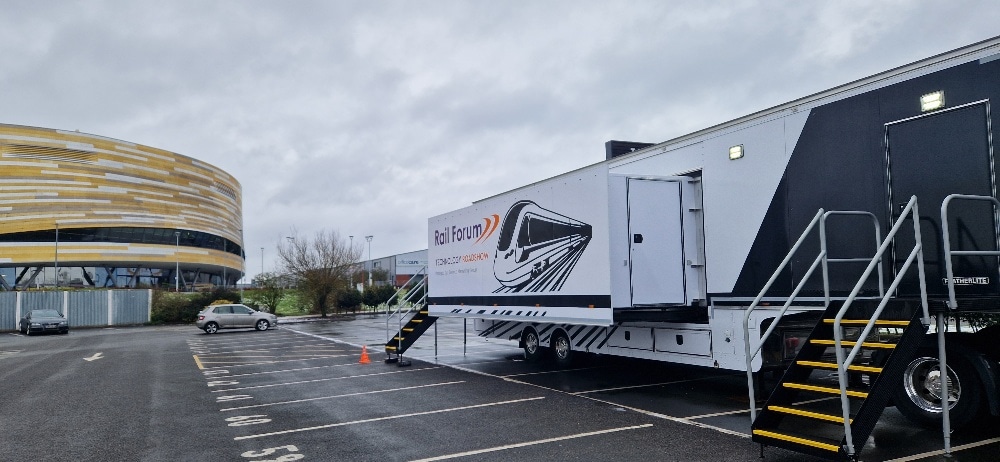
March has been a busy month for CB Frost, with members of our sales team representing us at the Rail Industry Technology Roadshow. The two week long exhibition, supported by Rail Forum and facilitated by Brewco Marketing Group, visited a number of prominent rail industry sites throughout England. As a roadshow, even the exhibition space, […]

At CB Frost & Co, we are always working to increase our efficiency and look to the future to be able to provide the highest quality of products and services to our customers. As the company grows, to ensure we continue to offer the high level of customer care expected from us, we also endeavour […]

HVAC systems play an important role in ensuring safe and comfortable passenger travel on trains. The efficiency of these systems can hinge on the integrity of seemingly minor components such as air ducts and pipes—corrosion within these systems can lead to a wide range of issues, including reduced airflow, temperature inconsistencies and other system inefficiencies. […]

At CB Frost, we stock, supply and convert a wide range of high-performance materials to meet the stringent requirements of the modern Railway industry. The materials used in the construction of rail carriages play a pivotal role in ensuring the safety, efficiency and longevity of the vehicles and carriages. As technical advancements continue to shape […]
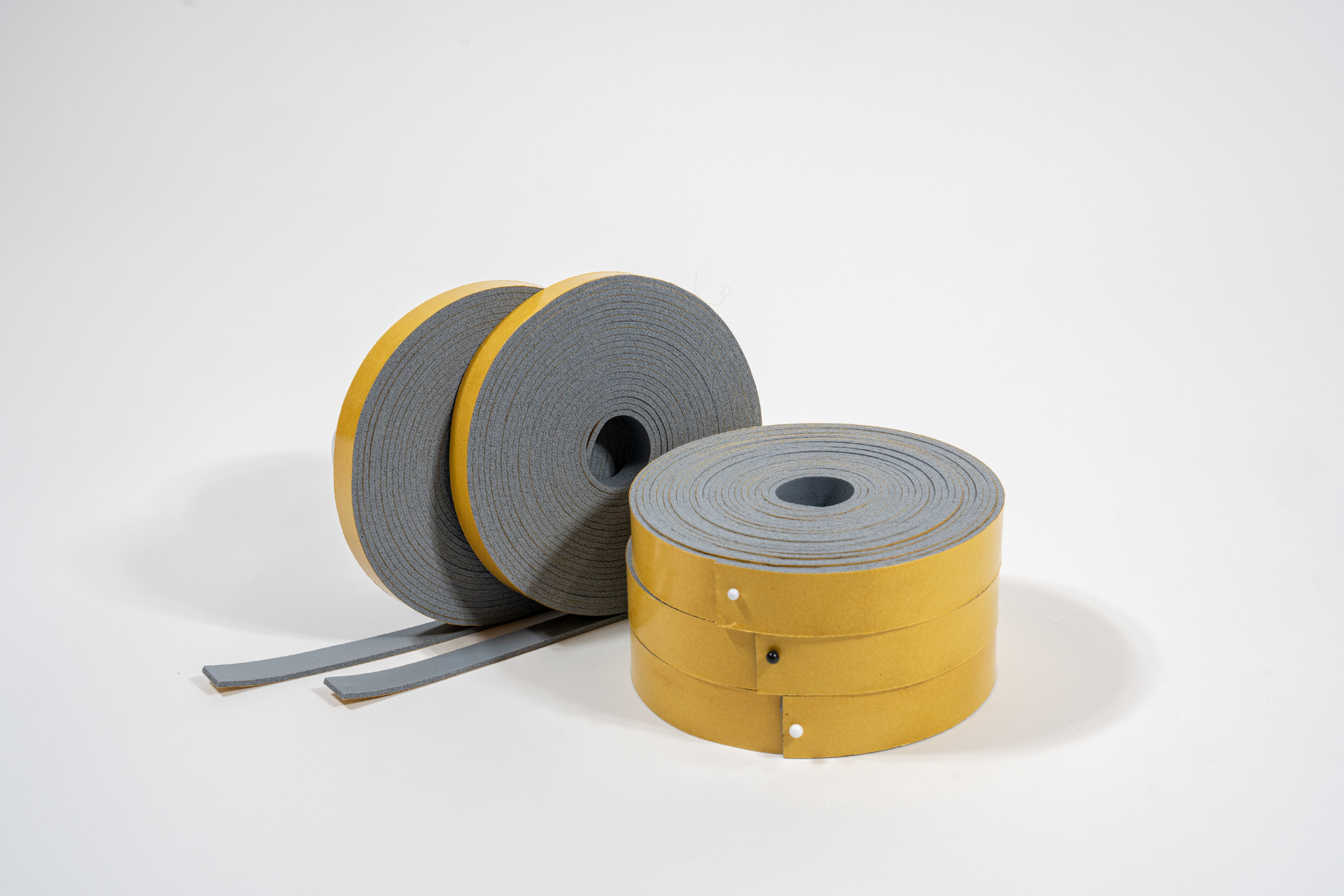
Sealing and protecting infrastructure like outdoor electrical enclosures, industrial lighting and HVAC units is a key consideration for engineers and manufacturers. In environments where there is a constant battle against the elements, a seal failure doesn’t just mean a bit of water ingress, but can lead to huge system failures that generate major safety hazards, […]
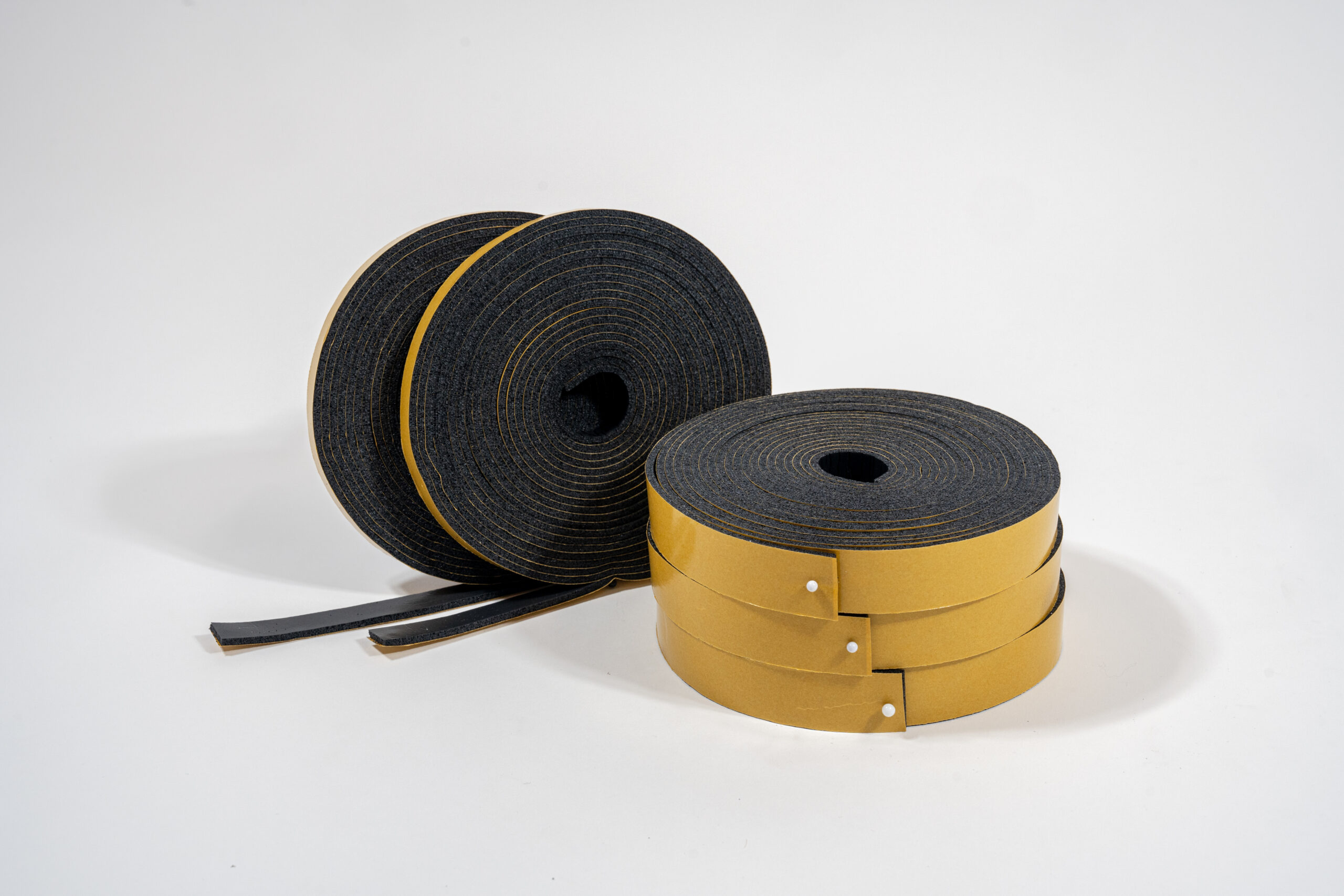
When a fire breaks out inside a rail carriage, passenger safety relies on how long internal seals can delay the spread of flames, smoke and toxic gases. Specifying BF2000 strips and custom gaskets provides an essential barrier to prevent rapid fire propagation, preserving carriage air quality, and maintaining clear emergency visibility. These ultra-soft, highly compressible […]

Whilst we supply and manufacture an extensive range of rubbers and polymers, one of the most frequently requested materials is Neoprene rubber. Neoprene Is the trade name for Polychloroprene rubber or Chloroprene. It is a synthetic rubber material, initially developed as a cost-effective substitute for natural rubber, and is a highly versatile material that is […]

As we enter the new year, it provides an ideal opportunity to reflect on the events of the year that just passed. Whilst 2020 and 2021 saw us face certain restrictions as a result of COVID-19 as businesses in all industries continued to face the long term effects of the pandemic, 2022 was a year […]