





Neoprene Sponge Vs Solid Neoprene Rubber Sheeting: Understanding the Differences
News
March 13, 2025
Known for its durability, flexibility, and resistance to environmental factors such as water, chemicals, and temperature extremes, neoprene is a widely used synthetic rubber material. When selecting neoprene for industrial applications, one key decision to be made is whether to use solid neoprene rubber or neoprene sponge sheeting. While both...

Known for its durability, flexibility, and resistance to environmental factors such as water, chemicals, and temperature extremes, neoprene is a widely used synthetic rubber material. When selecting neoprene for industrial applications, one key decision to be made is whether to use solid neoprene rubber or neoprene sponge sheeting. While both materials offer highly effective sealing and insulation properties, they differ in terms of structure, performance, and suitability for specific uses.
Neoprene rubber was developed as a reliable alternative to natural rubber, and first marketed in 1931. Its excellent resistance properties meant it was invaluable for military applications in World War II, after which its use expanded into numerous commercial applications, from industrial seals to many consumer goods. One of the first successful synthetic rubbers, neoprene continues to be commonly used today.
Following the demand for neoprene rubber sheeting, a new version of the material was developed, involving the introduction of gaseous bubbles into the formula to create a sponge like material. Neoprene sponge has expanded neoprene’s suitability for different applications, providing highly effective insulation and cushioning properties.
Solid neoprene rubber sheeting properties
Neoprene rubber sheeting is robust and resilient, exhibiting many properties that make it a useful and versatile material for numerous applications:
- Elasticity – neoprene rubber has an inherent ability to return to its original shape after deformation.
- Durability – it can withstand wear and tear, resisting abrasion and impact from demanding environments.
- Environmental resistance – neoprene rubber is designed to resist environmental factors including UV, ozone, moisture and water, and temperature variations (both low and high).
- Chemical resistance – it offers resistance to oils and fuels, and other chemicals.
- Tensile strength – solid neoprene rubber sheeting has a great ability to withstand pulling forces.
These key properties make neoprene rubber a highly versatile material for use in many industrial applications requiring robustness and resilience.
Neoprene sponge sheeting properties
Neoprene sponge can be categorised into open and closed-cell types. Closed cell sponge is defined by individual cells that prevent the ingress of air or liquid, making it an ideal material for sealing applications, whereas open cell sponge features interconnected cells that allow air and fluid to flow, which makes it much more suited to applications that require cushioning or sound absorption.
The unique cellular structure of neoprene sponge provides a range of advantages:
- Lightweight – trapped air within the cells creates a lower density.
- Compressibility – its structure allows it to conform to all surfaces to create effective seals and provide excellent cushioning.
- Flexibility – it flexes and bends without tearing, making it adaptable to a range of applications.
- Insulation – Closed cell sponge provides excellent insulating properties, providing thermal resistance and helping maintain temperature stability.
These useful properties make neoprene sponge a valuable material across many industries.
When to choose neoprene sponge versus rubber
When it comes to selecting sponge sheeting versus solid rubber sheeting, it’s important to consider the specific requirements of the application. When an application requires flexibility, cushioning and insulation, neoprene sponge is usually the right choice. For applications needing shock absorption or vibration dampening, the compressible and insulating properties of sponge material are very important.
When the most important requirements for an application are structural integrity, strength and durability, particularly in environments where mechanical stress is a given, neoprene rubber is a good choice. Its ability to withstand abrasion, chemical and environmental exposure also makes it ideal for heavy-duty industrial applications where longevity and resistance to degradation are vital, such as industrial sealing.
Making the right choice
Making the right choice of neoprene rubber or sponge material is crucial as it directly impacts the performance, longevity and overall effectiveness of your application. Making the wrong choice can result in a range of issues, including material failure and compromised functionality.
It’s also important to consider that the safety of your application can be compromised by an incorrect choice, and in critical applications within industries such as automotive, aerospace, or defence, using the wrong type of neoprene can have severe consequences. At CB Frost & Co, we are here to assist you with material selection and conversion into gaskets, extrusions and fabrications.
For advice on the best suited and most cost-effective material for your requirements, talk to our team today.
Buy neoprene sponge sheeting and strip from our online shop.
Keep up to date with the
latest CB Frost & Co news

The CB Frost Guide to Hazard Levels, Fire Safety, and Material Selection for the Rail Industry. Passenger safety is at the centre of every design decision for the modern rail industry. Since the mandatory adoption of EN45545-2 (the European standard for fire protection on rail vehicles) across Europe in 2016, gasket materials designed for the […]

At CB Frost, we supply extruded rubber profiles for various industrial sectors. With our in house manufacturing capabilities, we custom make rubber extrusions in an extensive range of solid rubber and sponge compounds to suit the intended application. With our many years of experience in manufacturing and supplying extruded profiles, we are here to help […]
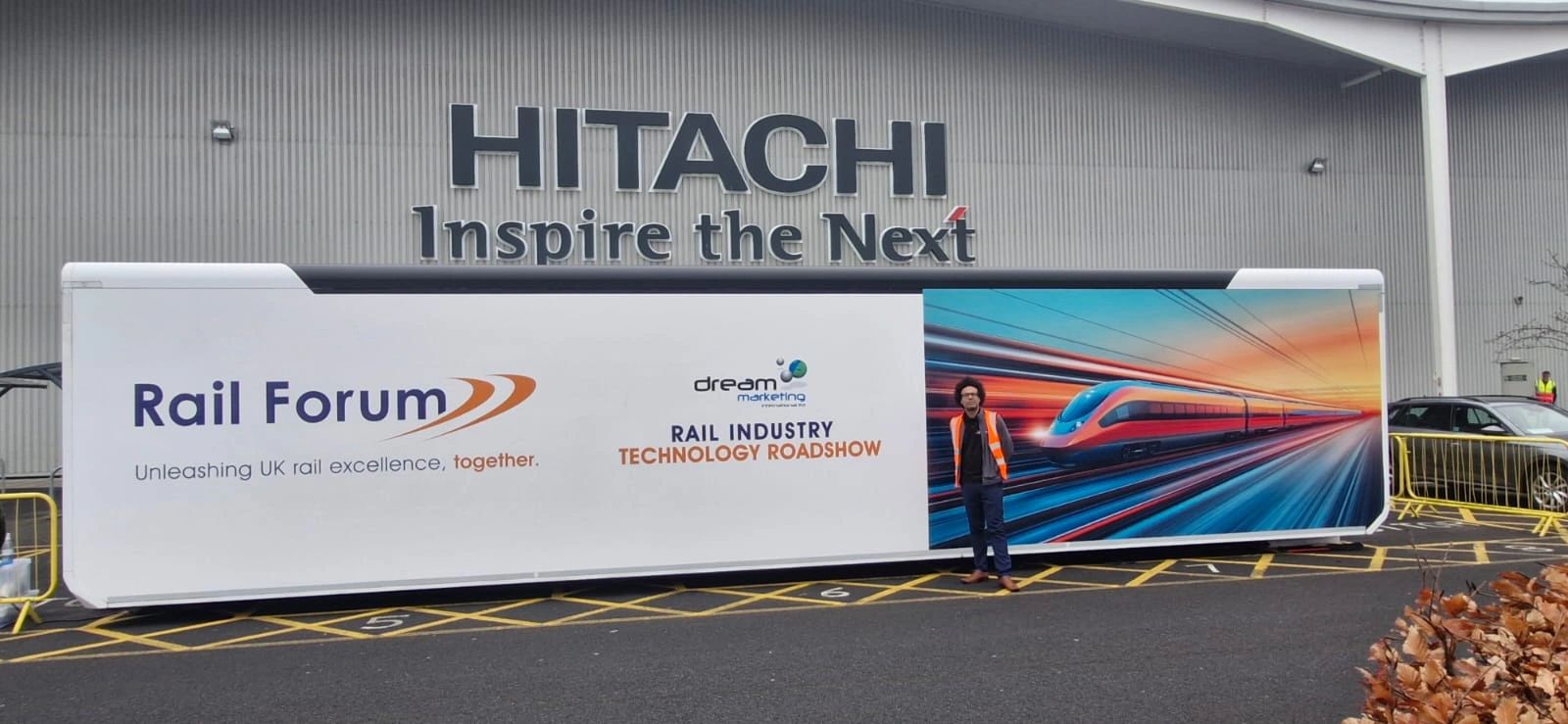
The rumble of rail industry innovation echoed around the UK this March, as the Rail Forum Rail Industry Technology Roadshow took to the roads. Spanning eight busy days, from the 10th to the 21st March, this one-of-a-kind event brought cutting-edge rail solutions directly to the heart of the industry, thanks to a state-of-the-art trailer, transformed […]

At CB Frost & Co, “Quality without compromise” is more than just a catchy tagline—it’s the ethos that has driven our business for over 100 years. A lot has changed since our beginnings in 1921, but our drive to provide the best for our customers has not. Whether we are manufacturing intricate gaskets for the […]

General purpose silicone rubber is a cornerstone of modern manufacturing, relied on for its exceptional performance in everything from consumer goods such as kitchenware, to industrial seals and aerospace engineering. While its incredible resilience is widely known, the reasons behind its superior properties lie in its unique molecular structure. Unlike other elastomers, it’s not a […]

It is set to be another busy summer for CB Frost, starting with the 2025 Rolling Stock Networking Rail Show. Taking place at Derby Arena on the 3rd July 2025, RSN is the UK’s biggest international rail industry trade show and conference. With last year’s event being the best yet, we made sure we were […]
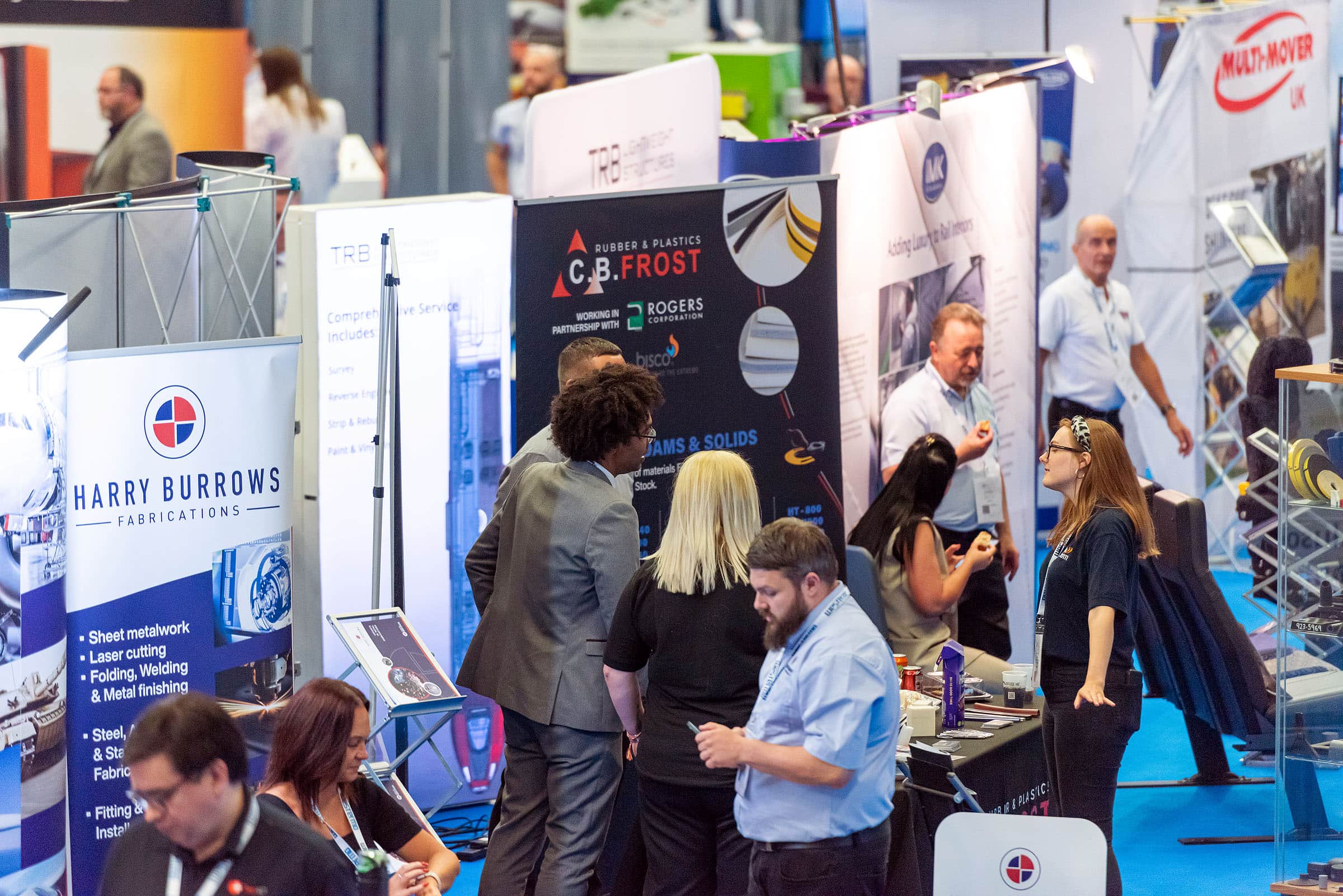
It’s an exciting time for CB Frost as our team gears up for the summer, starting with RSN 2024, which takes place at Derby Arena on 4th July. Now in its fifth year, Rolling Stock Networking (RSN) is the UK’s largest international rail industry exhibition, attracting rolling stock businesses from all over the world. Primarily […]

Having teamed up with Rogers’ Corporation and their range of PORON® polyurethanes and BISCO® silicone materials, CB Frost have entered the fast growing electric vehicles market, manufacturing and supplying a range of EV battery components, including battery compression pads and cushions, anti-vibration pads, enclosure seals, thermal runaway protection and impact protection pads. In order to […]

Last month, we were at Derby Arena for this year’s Rolling Stock Networking show, the UK’s biggest annual international rail show. RSN 2024 featured 154 exhibitors, including CB Frost, and welcomed over 2,000 attendees from rail trade associations, passenger and freight train operating companies, manufacturers, technical equipment suppliers and services companies, amongst many other organisations […]