




Choosing Your Compound: Choosing Materials for Rubber Mouldings
News
June 3, 2025
The effectiveness and longevity of rubber mouldings hinge critically on one fundamental decision: the choice of material used. With a vast array of synthetic and natural rubbers available, each with their own unique properties, selecting the right material for your specific application is essential. The wrong choice can lead to...

The effectiveness and longevity of rubber mouldings hinge critically on one fundamental decision: the choice of material used. With a vast array of synthetic and natural rubbers available, each with their own unique properties, selecting the right material for your specific application is essential. The wrong choice can lead to premature failure, compromised performance, and ultimately, increased costs.
At CB Frost & Co, with many years of experience in the rubber and plastics industry, we understand that material expertise is the cornerstone of high-quality rubber moulding. To provide insight into choosing the right materials, below we explore some of the most common rubber compounds, outlining their key characteristics, pros, and cons.
Neoprene Rubber
Neoprene was one of the first successful synthetic rubbers and is one of the most popular choices for moulded components. Known for its balanced properties, moulded neoprene rubber components are suitable for diverse applications.
Pros:
- Good resistance to weathering, ozone, and UV radiation.
- Good resistance to oils, and some chemicals.
- Good abrasion resistance and physical toughness.
- Performs well over a wide temperature range (-20°C to +70°C).
Cons:
- Neoprene is not as resistant to extremely high temperatures as some other rubber compounds, such as Silicone.
- Moderate resistance to aromatic hydrocarbons.
- Can be more expensive than natural rubber or EPDM for some applications.
With its resistance to oils, chemicals and temperature variations, Neoprene rubber is well suited to moulded automotive parts like hoses, belts, and vibration mounts. Neoprene components are also widely used in industrial seals, seals for doors and windows, and protective gear, due to their resistance to weather, ozone, and UV, along with their flame retardancy.
EPDM Rubber
EPDM is a standout material for a wide range of outdoor applications due to its range of resistance characteristics
Pros:
- Excellent resistance to weathering, ozone, and UV radiation, making it ideal for outdoor use.
- Very good resistance to water, steam, polar solvents, and alkalis.
- Wide operating temperature range (-30°C to +80°C).
- Good electrical insulation properties.
- Grades available with fire resistance and compliance to EN45545-2 and BS6853.
- Cost-effective for many applications.
Cons:
- Poor resistance to petroleum-based oils and hydrocarbons.
EPDM rubber mouldings are often the preferred choice for a range of outdoor and high-moisture environments. For example, their exceptional resistance to weathering, ozone, UV radiation, water, and steam makes them well suited to applications like automotive door, window and boot seals. In the construction industry, EPDM mouldings are widely used for roofing parts, expansion joints, and seals for windows and doors. EPDM is also a good electrical insulator, making it suitable for a range of electrical applications.
Natural Rubber
Whilst many synthetic alternatives have been developed, natural rubber remains a popular choice for mouldings due to its excellent physical properties.
Pros:
- Outstanding tensile strength, tear strength, and abrasion resistance.
- Excellent elasticity and dynamic properties (good for absorbing vibrations).
- Good low-temperature flexibility.
- Relatively low cost.
Cons:
- Poor resistance to oils, fuels, and many chemicals.
- Poor resistance to ozone, UV light, and weathering, leading to degradation.
- Narrower temperature range compared to synthetics engineered for temperature resistance.
With its superior elasticity and excellent physical strength, natural rubber moulded components are commonly found in anti-vibration mounts, bushings and shock absorbers, where their ability to absorb energy whilst maintaining flexibility when exposed to stress is important. Other common applications include seals for water-based systems and industrial components where high tensile strength and tear resistance is vital. It’s important to remember that natural rubber parts are not well suited to outdoor applications, exposure to chemicals, or high temperature environments.
Nitrile Rubber
Nitrile rubber is an ideal choice of material for applications where oil and fuel resistance are vital.
Pros:
- Excellent resistance to petroleum-based oils, fuels, greases, and hydraulic fluids.
- Good abrasion and tear resistance.
- Performs well over a wide temperature range (-20°C to +70°C).
- Good resilience and compression set.
Cons:
- Poor resistance to weathering, ozone, and UV radiation.
- Not suitable for very high temperatures.
For industrial applications where contact with oils, fuels and chemicals must be considered, Nitrile rubber mouldings are a go-to choice. Their resistance to petroleum-based oils, along with fuels, greases and hydraulic fuels makes them ideal for the automotive and aerospace industries. Nitrile O-rings, gaskets, fuel hoses, oil seals and other moulded components are extremely common. The chemical resistance and abrasion resistance of Nitrile also makes Nitrile mouldings well suited to seals for a wide range of machinery.
Silicone Rubber
Silicone rubber stands out for its extreme temperature capabilities and biocompatibility, making it a popular choice for rubber mouldings in various industries.
Pros:
- Exceptional temperature resistance, with a wide range of -60°C to +230°C.
- Excellent resistance to ozone, UV, and weathering.
- Good electrical insulation properties.
- Highly flexible and elastic, even at extreme temperatures.
- Chemically inert, making it suitable for medical and food-contact applications (FDA approved grades available).
- Good compression set.
Cons:
- Relatively poor abrasion, tear, and tensile strength compared to other rubbers.
- Limited resistance to steam and some concentrated chemicals.
- Generally higher cost.
We most often see Silicone mouldings in extreme temperature applications, such as ovens, engines and automotive or aerospace components. Due to the chemical inertness of Silicone rubber moulds, they are well suited to applications within the medical industry, food processing, and baby products.
Making the right choice for your rubber mouldings
Choosing the correct material for your rubber mouldings is a critical engineering decision, requiring a thorough understanding of the intended application, the environmental conditions it will face, and the specific performance requirements. Temperature, chemical, abrasion and flexibility should all be considered.
Our expertise extends beyond just manufacturing; we provide comprehensive material selection advice. By understanding your specific needs, we can recommend the most appropriate material to ensure your rubber mouldings perform to the highest level and provide long-lasting value.
Don’t leave your material choice to chance. Talk to our experienced sales team to discuss your rubber moulding requirements and let our experts guide you to the perfect material choice and finished product.
Keep up to date with the
latest CB Frost & Co news

As a specialist foam rubber supplier, in addition to providing a wide range of foam rubber sheet materials, we also manufacture an extensive range of foam rubber products, including gaskets, washers, mouldings, extrusions and fabrications to suit applications within a wide range of industries. Let’s discuss the definition of foam rubber, its key advantages, and […]
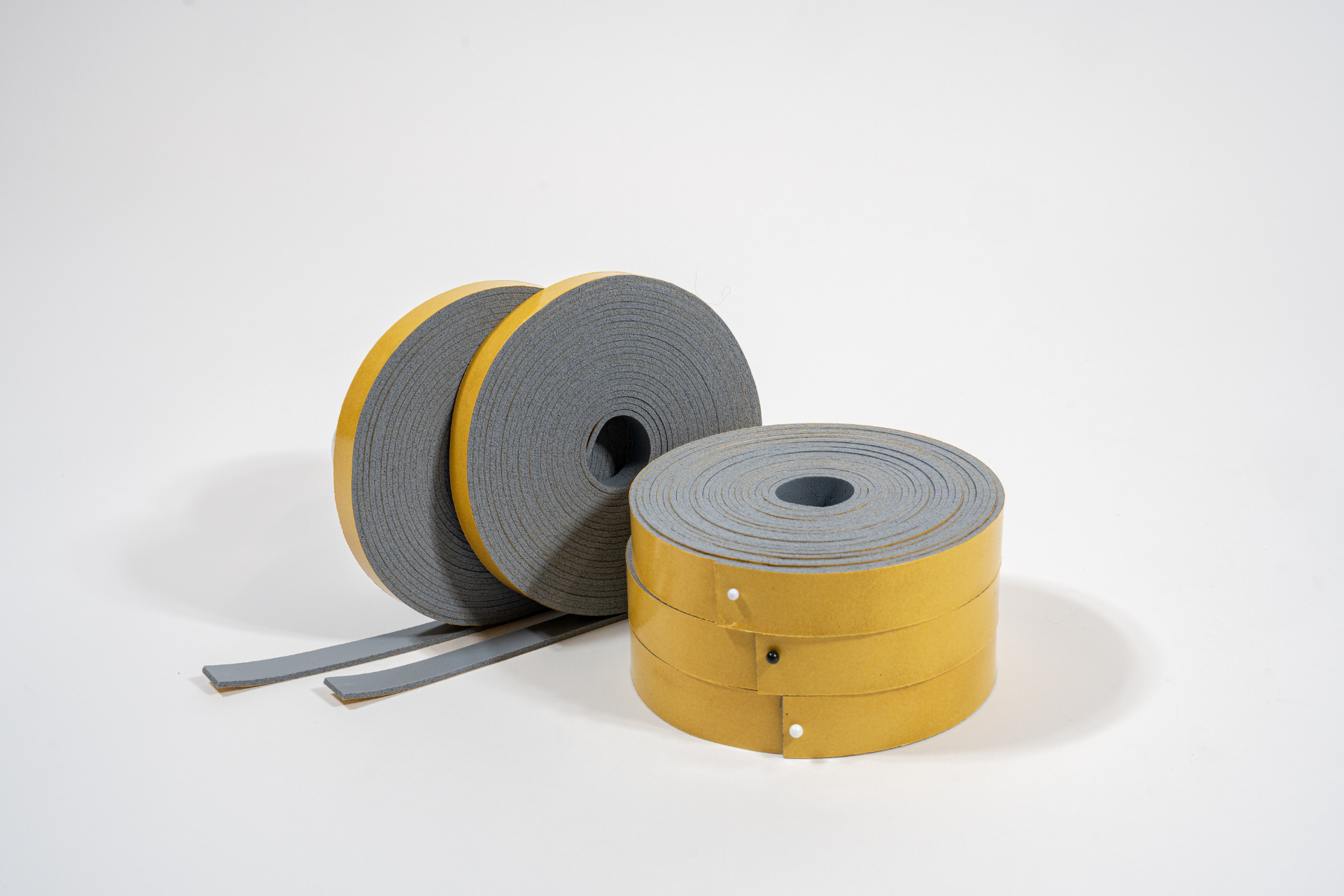
Sealing and protecting infrastructure like outdoor electrical enclosures, industrial lighting and HVAC units is a key consideration for engineers and manufacturers. In environments where there is a constant battle against the elements, a seal failure doesn’t just mean a bit of water ingress, but can lead to huge system failures that generate major safety hazards, […]

Kicking off a busy summer of industry shows and exhibitions, CB Frost presented at the latest Make UK Defence Networking event. For over 30 years, CB Frost has been an approved supplier to the MoD, manufacturing and distributing a wide range of high performance sponge and rubber components, including gaskets, rubber gaiters, o-rings, bespoke turret […]

Having teamed up with Rogers’ Corporation and their range of PORON® polyurethanes and BISCO® silicone materials, CB Frost have entered the fast growing electric vehicles market, manufacturing and supplying a range of EV battery components, including battery compression pads and cushions, anti-vibration pads, enclosure seals, thermal runaway protection and impact protection pads. In order to […]

The CB Frost Guide to Hazard Levels, Fire Safety, and Material Selection for the Rail Industry. Passenger safety is at the centre of every design decision for the modern rail industry. Since the mandatory adoption of EN45545-2 (the European standard for fire protection on rail vehicles) across Europe in 2016, gasket materials designed for the […]

Known for its durability, flexibility, and resistance to environmental factors such as water, chemicals, and temperature extremes, neoprene is a widely used synthetic rubber material. When selecting neoprene for industrial applications, one key decision to be made is whether to use solid neoprene rubber or neoprene sponge sheeting. While both materials offer highly effective sealing […]

As CB Frost grows and explores new markets, it’s important that we invest in the growth and development of our team. For a number of months now, we have been searching for the ideal candidate to bolster our sales team and we are very pleased to announce the appointment of Elliot Beach as our new […]
As the festive lights brighten the streets of Birmingham, and we prepare to shut down for Christmas, we find ourselves reflecting on more than just our production targets and latest projects. At CB Frost & Co, this time of year is always a time to pause and consider our role within the community that has […]

At CB Frost, we are always investing in our production processes and introducing new services to benefit our customers. In addition to providing die cutting services to produce gaskets and other products for a wide range of industries, we are pleased to announce that we now manufacture die cutting formes in house. For a number […]