






EN45545 Materials and Their Impact on the Rail Industry
Uncategorised
June 30, 2023
Whilst rail networks have been key to European transport since the Industrial Revolution, EN45545-2, the European Standard for fire safety in the rail industry has only been mandatory since 2018. Since then, EN45545 materials have been considered in all aspects of rail stock design and manufacture, helping to improve the...
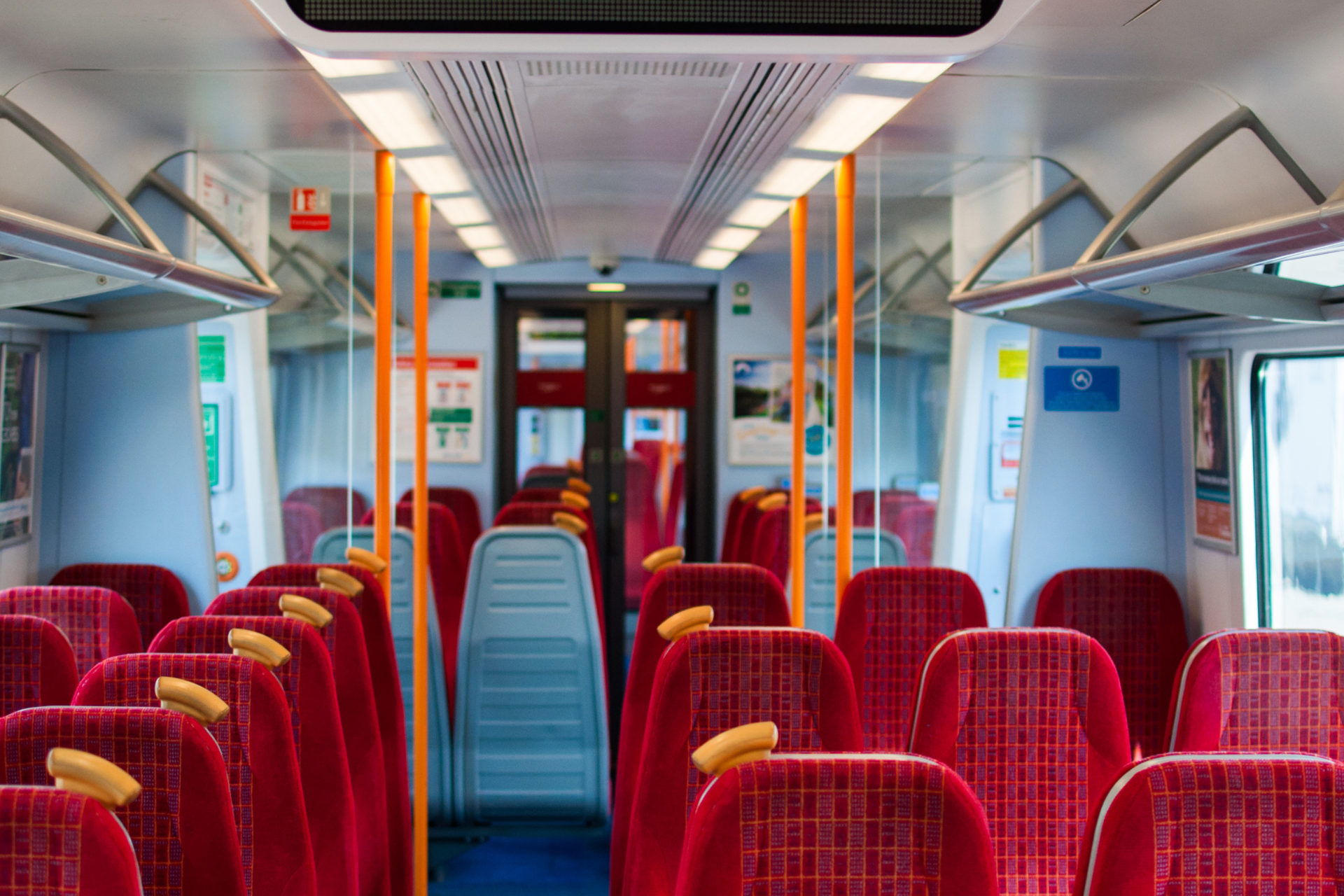
Whilst rail networks have been key to European transport since the Industrial Revolution, EN45545-2, the European Standard for fire safety in the rail industry has only been mandatory since 2018. Since then, EN45545 materials have been considered in all aspects of rail stock design and manufacture, helping to improve the safety of passenger and freight rail transport.
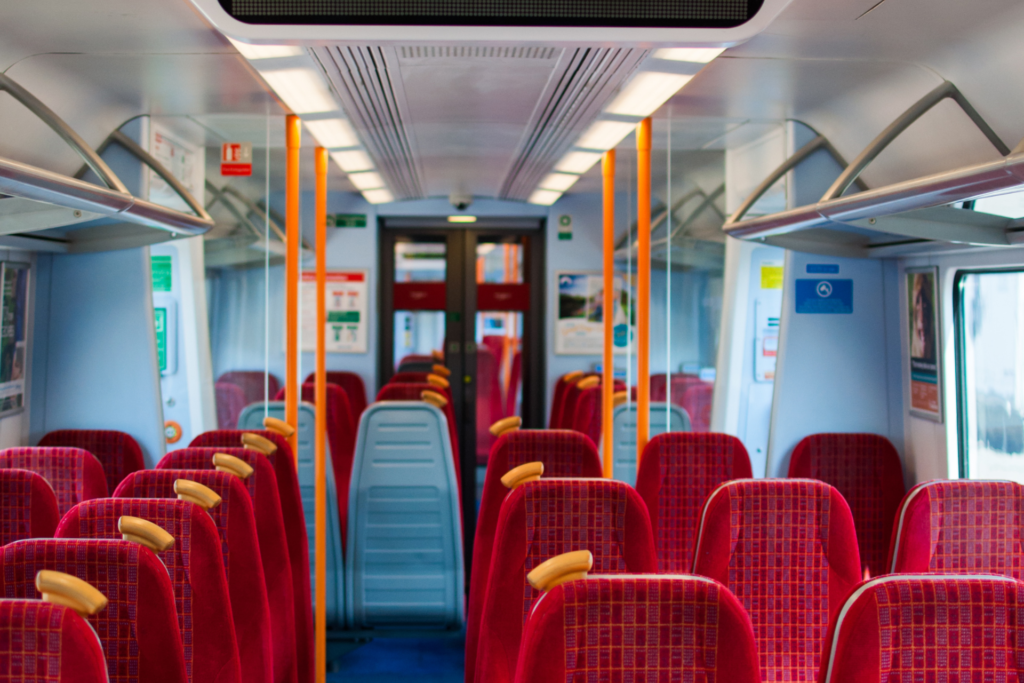
In the mid 20th century, fire safety regulations did not play an important part in the manufacture of rolling stock. Passenger coaches for trains were commonly constructed using materials such as steel and wood, whilst passenger seats were made of wool, leather, or leatherette, with no thought for the risks in the case of fire.
In the later decades of the 20th century, and the start of the 21st century, electrics were widely introduced in rolling stock, and many interior materials were replaced with plastics to help increase comfort for passengers and modernise carriage aesthetics. However, in introducing these elements to trains, rail industry designers helped increase the risk of fire and smoke.
Whilst it was recognised that a need for standard fire safety regulations was needed for rail stock across Europe, the rail industry found that there were a number of issues that made the implementation of these regulations somewhat challenging. For example, different manufacturing materials and production materials were used in different countries, and there were a variety of reasons attributed to the cause of fires, not only electrics, but braking system failures, high temperatures and even arson.
Following 20 years of research, testing, and negotiations to devise standard fire safety testing for materials used in all elements of rail vehicle manufacture, EN45545 was introduced in 2013, before becoming mandatory across Europe 5 years later.
What are EN45545 materials?
The aim of EN45545 is to protect passengers and staff onboard rail vehicles by reducing the likelihood of fire incidents. Part two of this European Standard (EN45545-2) sets much stricter requirements for how materials used in the manufacture of rail stock behave in the case of fire, but also how materials are tested.
They key areas tested for the adequate fire safety of rail materials include:
- Fire spread
- Ignitability
- Heat release
- Smoke emission
- Toxic emission
EN45545 materials are classified according to 26 requirement sets (R1-R26) depending on where the materials are used, as well three hazard levels (HL1, HL2, HL3). Hazard classification depends on how many kilometres the rail vehicles are in a tunnel and whether they are automatic, two-storeys or if sleepers are on board.
Not only is EN45545 mandatory for all European rail vehicles in order to protect personnel and passengers, given that the rail industry puts great pressures on components and materials used, particularly through generating high temperatures and levels of vibration, EN45545-2 compliant materials are a key factor in rail vehicle design help to ensure the safety and longevity of rail vehicle components.
Selecting the right rail materials
The most important steps for selecting the right materials for rail vehicle components are determining which of the 26 requirements for fire safety apply to a certain rail application, and to identify the fire hazard level (HL1, HL2 or HL3). In addition to these determinations, it’s important to also select a material that not only meets the above requirements, but meets your technical requirements.
Needless to say, selecting rail materials can be easier said than done, so it is always advisable to work with a trusted partner with experience in supplying and selecting EN45545 materials. With experience of supplying materials for major rail projects including the London Underground, SSL, Electro Star, IEP.Crossrail and Mk3, and working alongside some of the most dynamic cellular silicone manufacturers in the world, CB Frost are well placed to provide assistance in choosing the right rail materials for any component.
Whilst the European Standard for fire safety in the rail industry only became mandatory in 2018, we were way ahead of the curve and all of our specialist high specification rail materials have been EN45545-2 compliant since long before this point. With our close relationships with rail suppliers and partners, we strive to always be ahead of industry changes, ensuring that you select the best possible rail materials to suit all applications.
To discuss your EN45545-2 compliant material needs for rail components, please call our experienced team on +44 (0)121 773 8484.
Keep up to date with the
latest CB Frost & Co news

From small beginnings in 1921, CB Frost & Co have now been manufacturing gaskets in Birmingham for almost 100 years. In this time, we have seen great developments in plastics and other materials, gasket manufacturing techniques and manufacturing technology in general. CB Frost has always strived to be at the forefront of the evolving rubber […]


As a leader in the specialist rubber and plastics industry, CB Frost have long served many of the major sectors of UK manufacturing. From our early roots in Birmingham, the city of a thousand trades and the birthplace of the commercial plastics industry, we have seen huge change in the last 98 years. Not only […]

At CB Frost, we specialise in providing a wide range of materials and products to meet the requirements of the modern engineering industry, particularly the mass transit sector. As a Rogers Corporation preferred converter, we can provide the full range of BISCO® silicones, including BISCO® HT800. HT800 is a silicone sponge material with medium firmness, […]

It was an exciting week for CB Frost last week as we exhibited in the UK for the first time since 2010. On the 30th September, we were at Derby Arena for RSN 2021, displaying our full range of materials, as well as presenting our extensive manufacturing capabilities. Only the second live indoor rail show […]
In the modern transport industry, comfort is always considered a top priority. Passenger carrying trains, buses and coaches are all designed with comfort in mind when it comes to the interior. As well as designing comfortable seating arrangements, public transport designers and manufacturers also factor in the importance of maintaining comfortable temperatures for all conditions. […]

Discovered in the 1800s, solid silicone rubber is a highly versatile material for use in a wide variety of different applications. Its resilience and durability make it an ideal material choice for a number of industrial sectors and it can be provided as sheet material, moulded, extruded, or cut to into gaskets or solid silicone […]

Over time, as a result of the many challenges faced by farmers, the agricultural sector has seen a lot of technological advances. The population is growing, resulting in more demand for agricultural produce, however, available farming land is also shrinking, leaving farmers to produce more food in a much smaller area. At the same time, […]

There can be no disagreement that the last 12 months has been extremely challenging for industry in the UK and across the world. We started 2020 full steam ahead working on the move from our old headquarters in Digbeth to our new premises at Matrix Point, Birmingham. Having initially announced our relocation and expansion early […]