
Sections

Latest News

News 23 Jun 2026

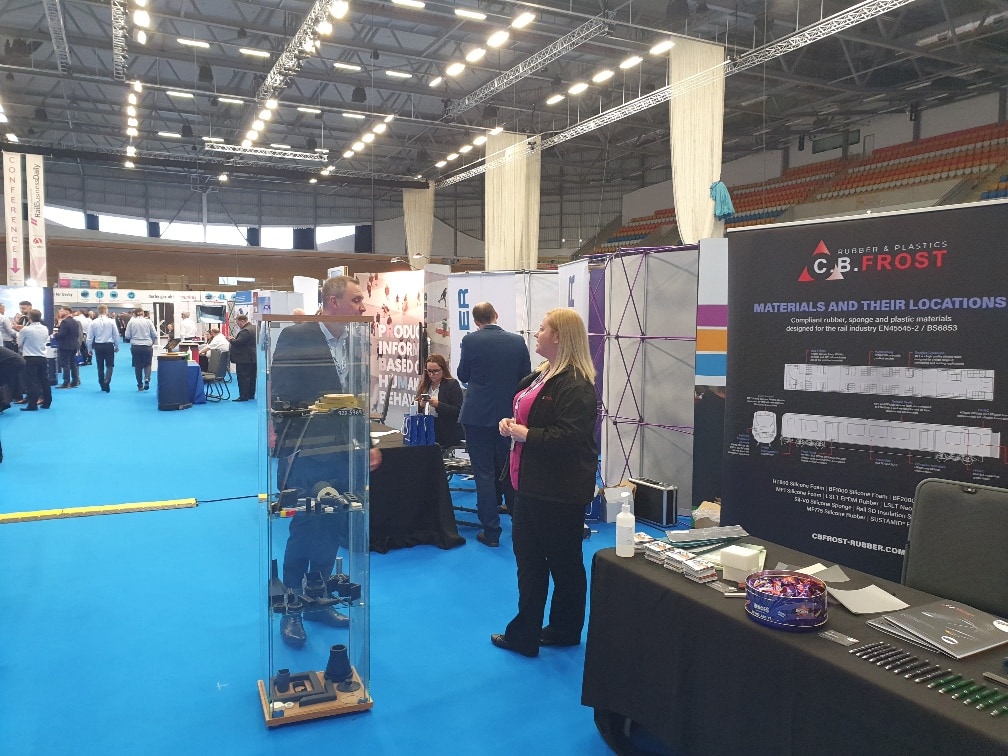
Rolling Stock Networking: Connect with CB Frost at RSN 2026

At CB Frost & Co, we don’t believe in waiting around when a great opportunity knocks. That is exactly why...

News 4 Jun 2026

Why Choosing the Right EN45545 Gasket is Critical for Rail Industry Safety

In the modern rail industry passenger safety dictates every phase of vehicle design, engineering, and manufacturing. Major structural components, advanced...

EN45545 Materials and Their Impact on the Rail Industry

Whilst rail networks have been key to European transport since the Industrial Revolution, EN45545-2, the European Standard for fire safety in the rail industry has only been mandatory since 2018. Since then, EN45545 materials have been considered in all aspects of rail stock design and manufacture, helping to improve the safety of passenger and freight rail transport.

EN45545 materials

In the mid 20th century, fire safety regulations did not play an important part in the manufacture of rolling stock. Passenger coaches for trains were commonly constructed using materials such as steel and wood, whilst passenger seats were made of wool, leather, or leatherette, with no thought for the risks in the case of fire. 

In the later decades of the 20th century, and the start of the 21st century, electrics were widely introduced in rolling stock, and many interior materials were replaced with plastics to help increase comfort for passengers and modernise carriage aesthetics. However, in introducing these elements to trains, rail industry designers helped increase the risk of fire and smoke.

Whilst it was recognised that a need for standard fire safety regulations was needed for rail stock across Europe, the rail industry found that there were a number of issues that made the implementation of these regulations somewhat challenging. For example, different manufacturing materials and production materials were used in different countries, and there were a variety of reasons attributed to the cause of fires, not only electrics, but braking system failures, high temperatures and even arson.

Following 20 years of research, testing, and negotiations to devise standard fire safety testing for materials used in all elements of rail vehicle manufacture, EN45545 was introduced in 2013, before becoming mandatory across Europe 5 years later.

What are EN45545 materials?

The aim of EN45545 is to protect passengers and staff onboard rail vehicles by reducing the likelihood of fire incidents. Part two of this European Standard (EN45545-2) sets much stricter requirements for how materials used in the manufacture of rail stock behave in the case of fire, but also how materials are tested.

They key areas tested for the adequate fire safety of rail materials include:

  • Fire spread
  • Ignitability
  • Heat release
  • Smoke emission
  • Toxic emission

EN45545 materials are classified according to 26 requirement sets (R1-R26) depending on where the materials are used, as well three hazard levels (HL1, HL2, HL3). Hazard classification depends on how many kilometres the rail vehicles are in a tunnel and whether they are automatic, two-storeys or if sleepers are on board.

Not only is EN45545 mandatory for all European rail vehicles in order to protect personnel and passengers, given that the rail industry puts great pressures on components and materials used, particularly through generating high temperatures and levels of vibration, EN45545-2 compliant materials are a key factor in rail vehicle design help to ensure the safety and longevity of rail vehicle components.

Selecting the right rail materials

The most important steps for selecting the right materials for rail vehicle components are determining which of the 26 requirements for fire safety apply to a certain rail application, and to identify the fire hazard level (HL1, HL2 or HL3). In addition to these determinations, it’s important to also select a material that not only meets the above requirements, but meets your technical requirements.

Needless to say, selecting rail materials can be easier said than done, so it is always advisable to work with a trusted partner with experience in supplying and selecting EN45545 materials. With experience of supplying materials for major rail projects including the London Underground, SSL, Electro Star, IEP.Crossrail and Mk3, and working alongside some of the most dynamic cellular silicone manufacturers in the world, CB Frost are well placed to provide assistance in choosing the right rail materials for any component. 

Whilst the European Standard for fire safety in the rail industry only became mandatory in 2018, we were way ahead of the curve and all of our specialist high specification rail materials have been EN45545-2 compliant since long before this point. With our close relationships with rail suppliers and partners, we strive to always be ahead of industry changes, ensuring that you select the best possible rail materials to suit all applications.

To discuss your EN45545-2 compliant material needs for rail components, please call our experienced team on +44 (0)121 773 8484.

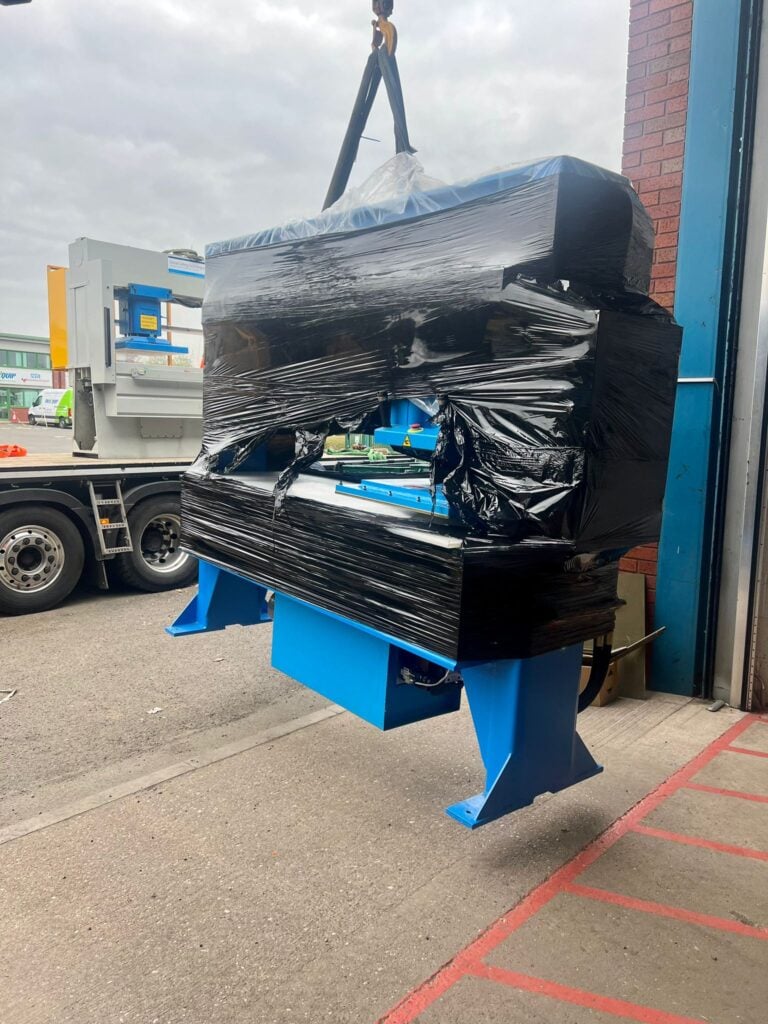
CB Frost Invests in New Beam Cutting Press

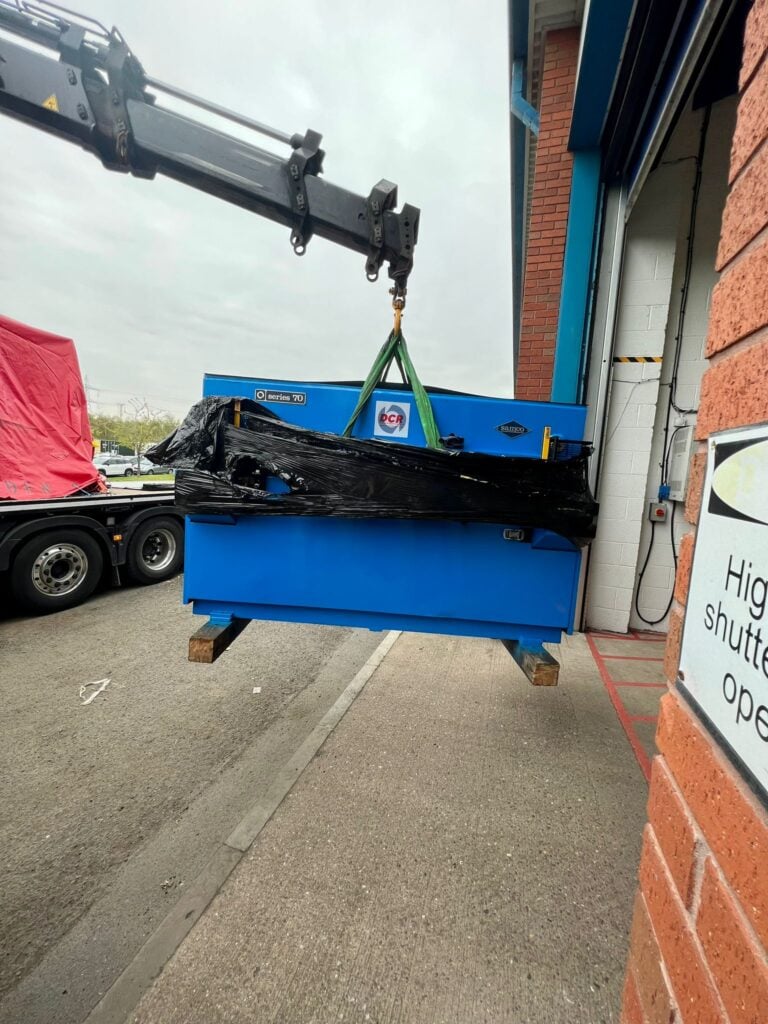
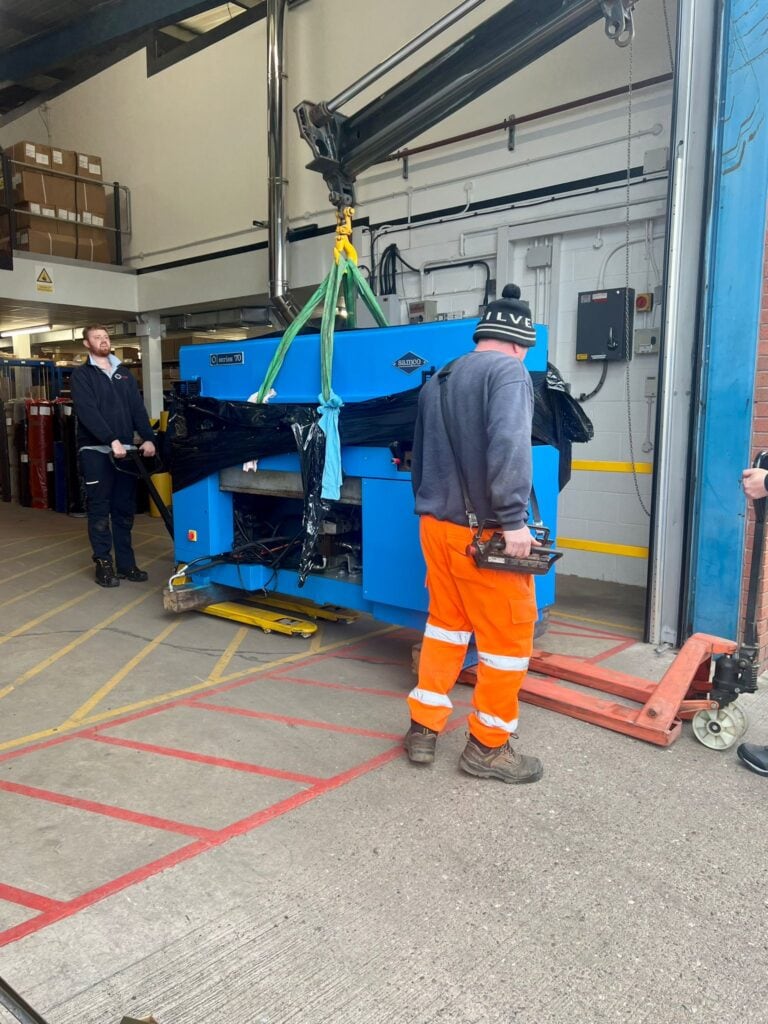
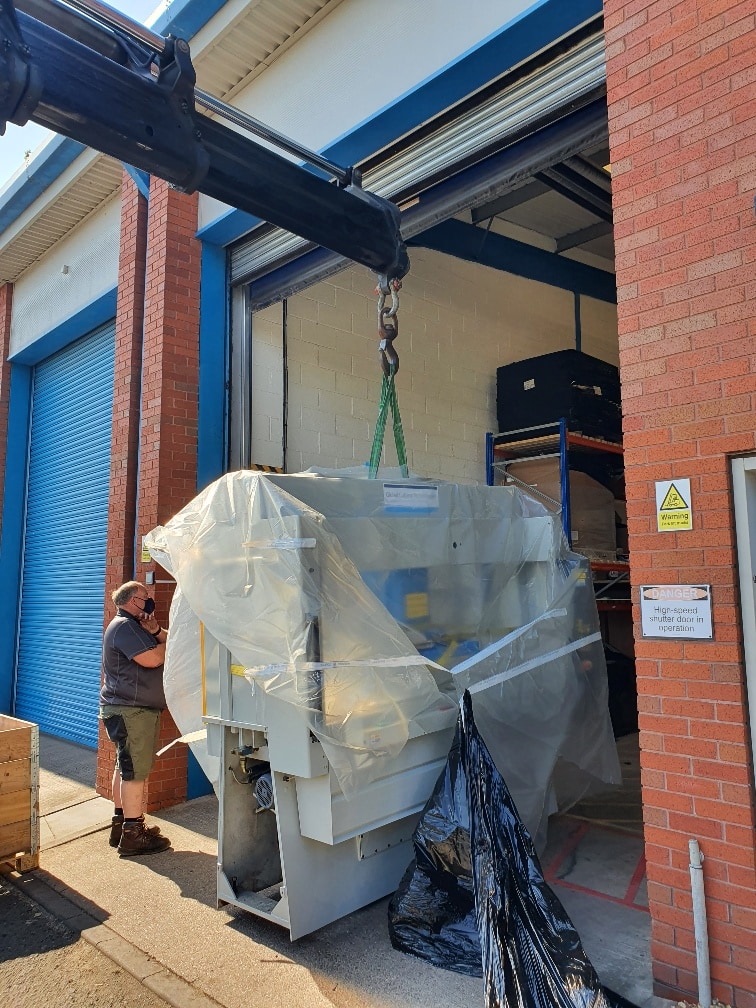
To maintain our reputation for excellence in a wide range of industrial sectors, CB Frost is committed to continuous improvement in order to ensure that we provide the highest quality products and services to our customers. Working to the same company ethos of ‘quality without compromise’ for over a century, investing in new equipment is key to improving our production capabilities and providing speedy lead times. We recently added a new cutting press to our gasket manufacturing facilities.

cutting press

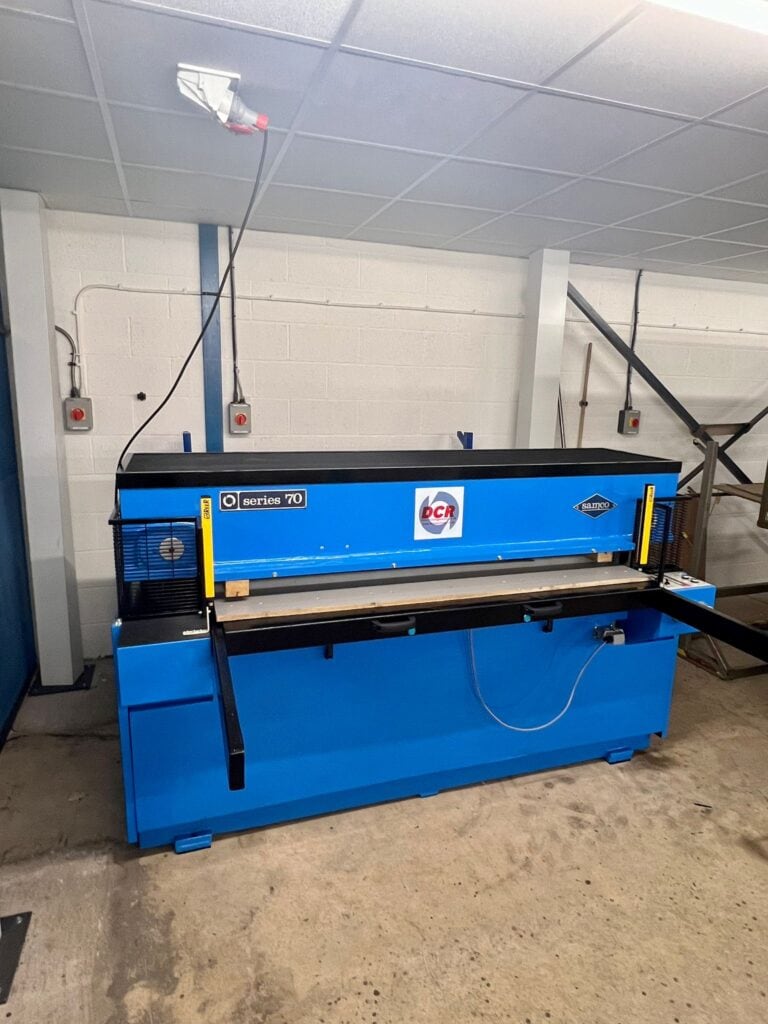
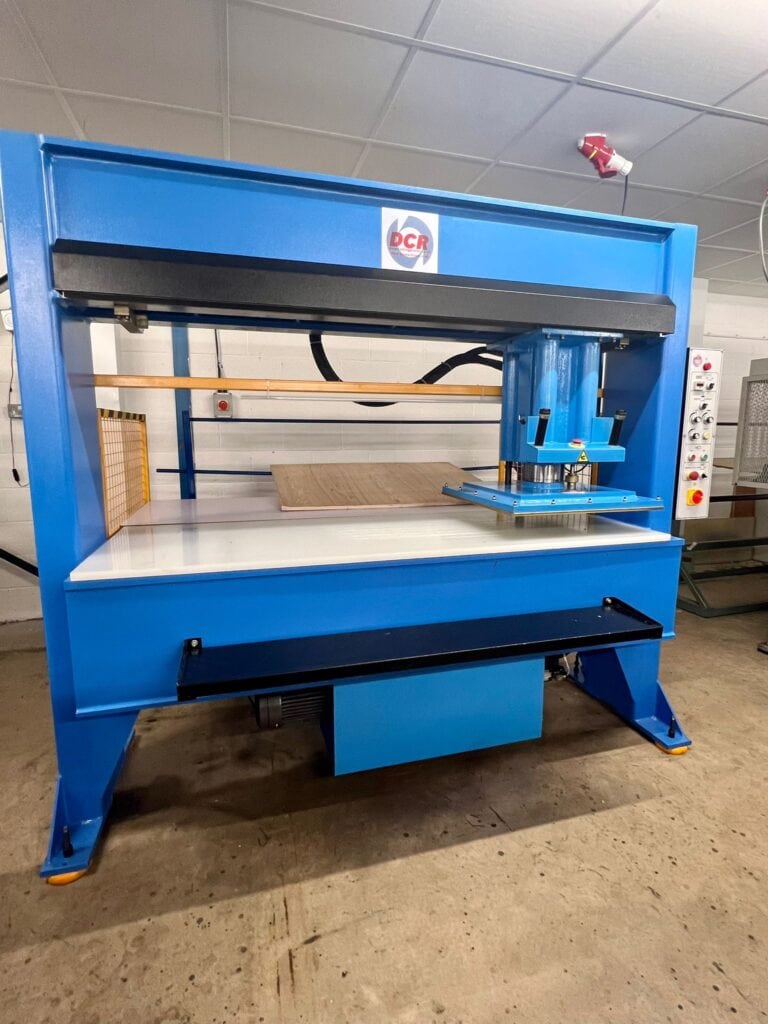
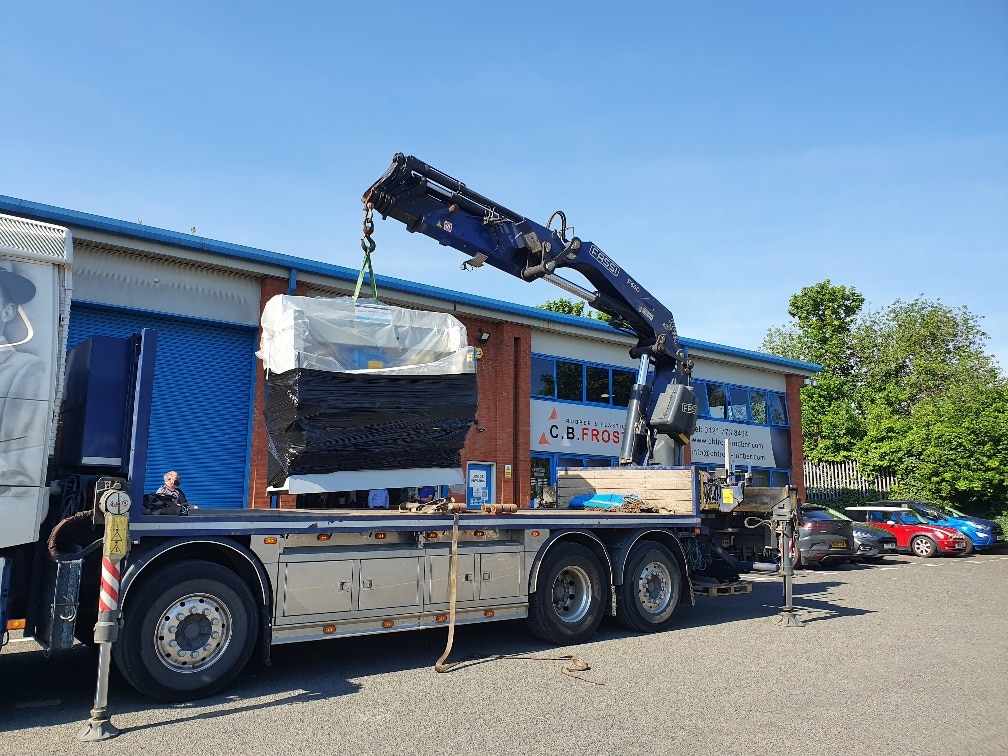
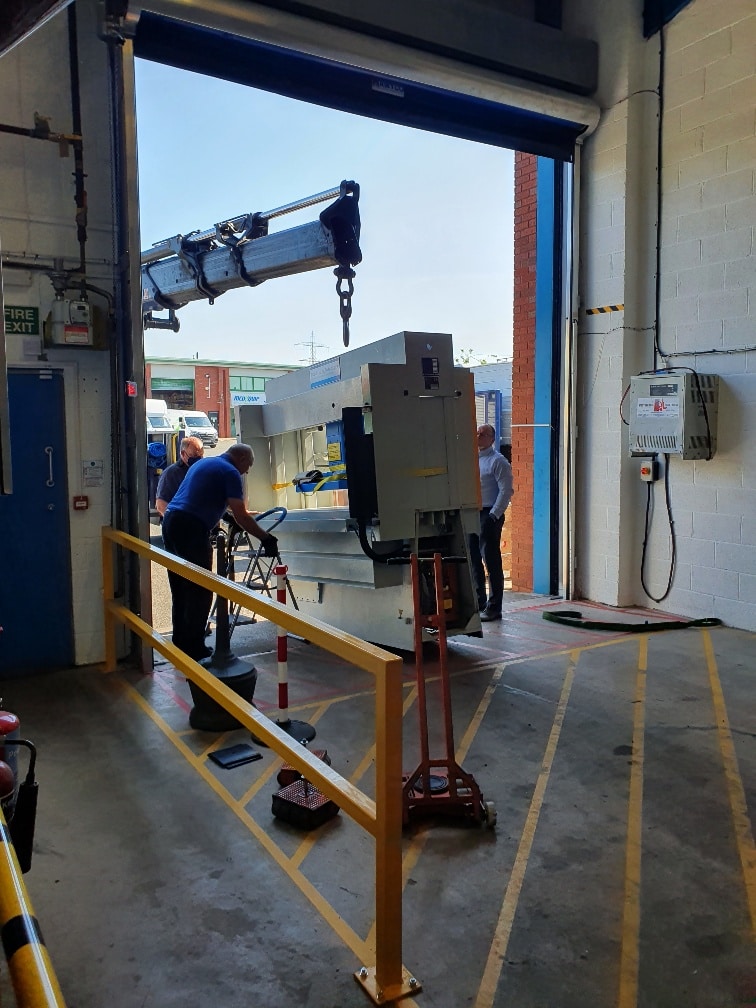
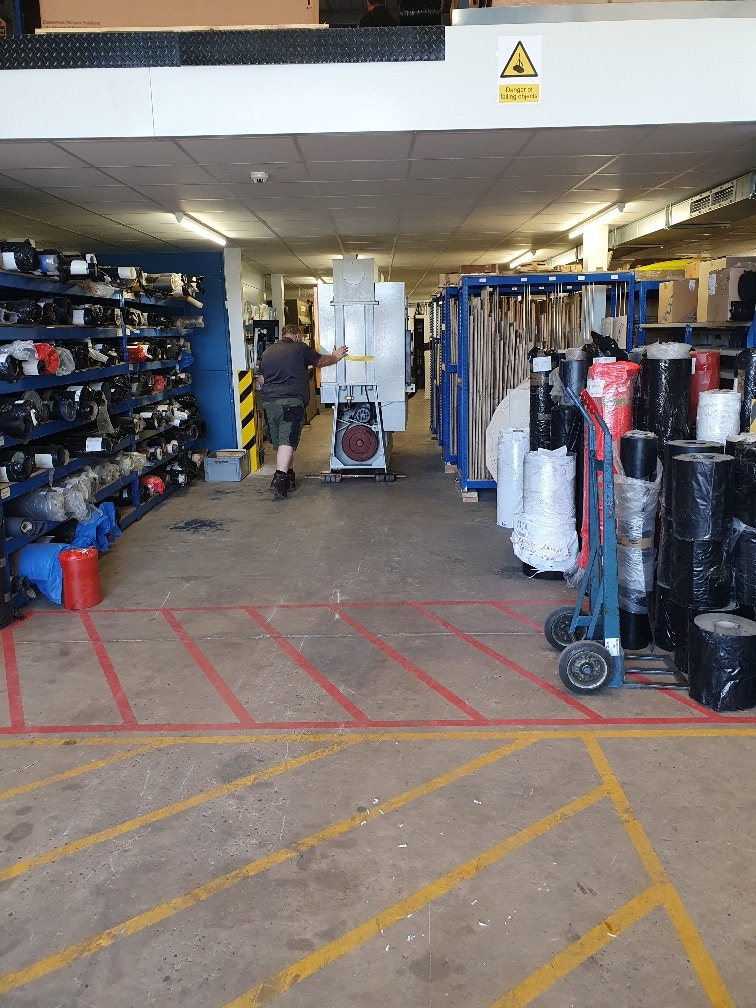
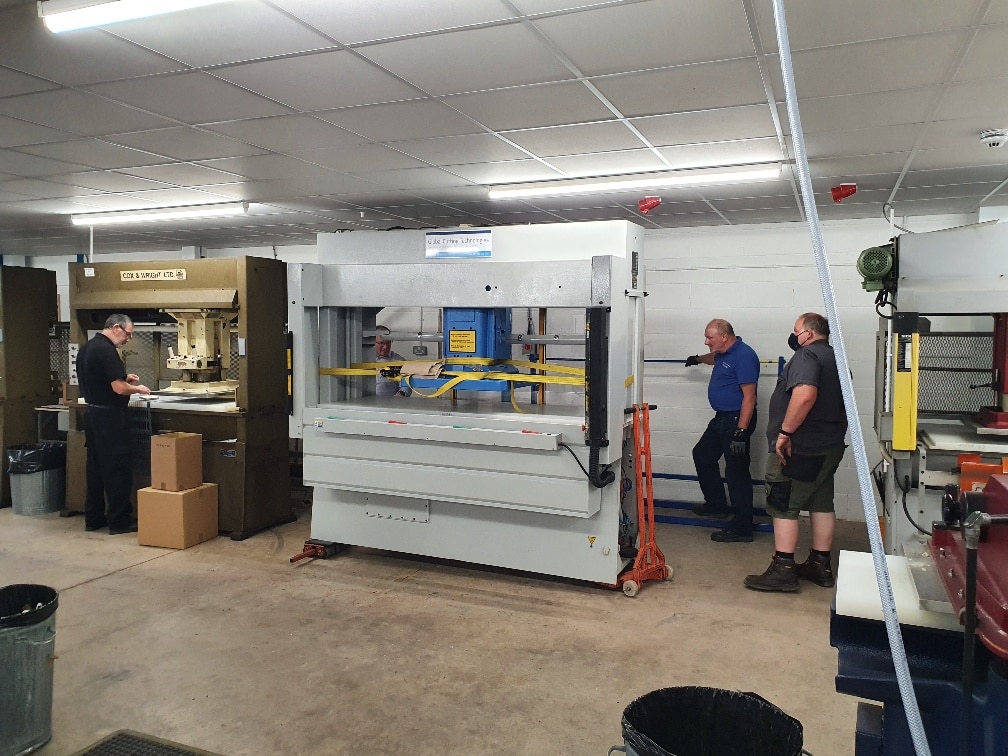
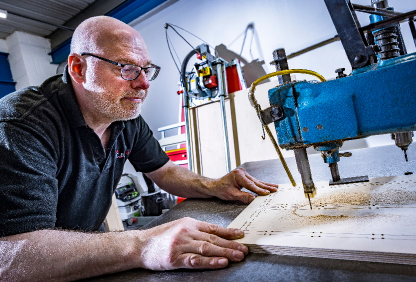
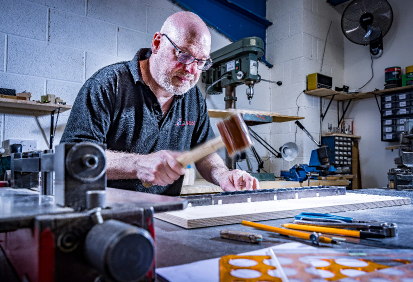
Following investments in high speed cutting equipment and the move to our larger premises in recent years, at the end of April, we took delivery of a new Samco 70 Series Beam Press.

beam cutting press

cutting press

Business Development Manager Daniel Brock commented on how the introduction of our new press will benefit our customers:

“CB Frost last month took delivery of a new Samco 70 Series Beam Press. The continued investment shown from senior management further showcases our commitment to ensuring our customers not only receive parts of the highest quality but at reasonable prices.

“The new machine will allow CB Frost to produce larger gaskets in a shorter time period, which will allow savings to be passed onto our customer base.”

gasket cutting press

Introducing the new machine to our facilities will allow us to further increase our production capacity at any one time, offering excellent speed and precision for cutting our high performance materials into sheets, strips, and bespoke gaskets. Expanding our equipment range provides us with more choice over which press will be used for each production run. For example, for high volume production runs, our high speed kiss cutting machine will provide the most efficient choice, whereas for smaller production volumes of larger sized gaskets, our Samco 70 Series cutting press offers high quality, extremely precise results to meet lead times and exceed quality expectations.

new beam cutting press

Reflecting on a successful period of growth for CB Frost, despite the challenges of the last few years, Daniel Brock said:

“Since 2018, the investment from management has been extraordinary. From moving into new premises, purchasing new machinery and expanding both the production and sales team, this will only strengthen our ethos… Quality without Compromise.”

Your Gasket Cutting Needs

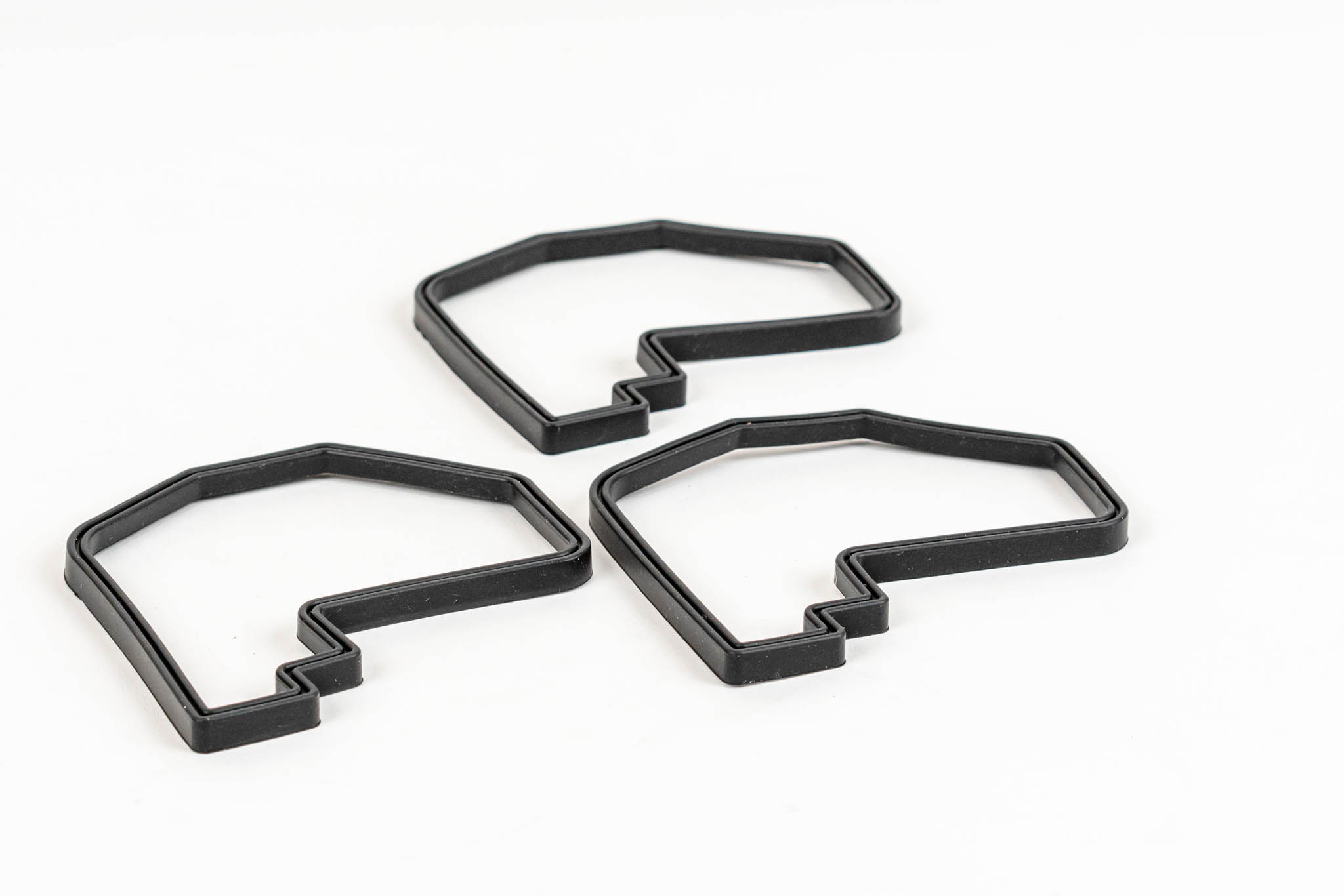
As specialists in rubber extrusion and conversion, our sales team are on hand to talk you through the best materials and manufacturing processes to suit your gasket, washer and strip needs. We can also laminate all gaskets with adhesive backing to help them maintain their integrity and prevent gasket failure.

If you have a query about our gasket cutting facilities, or have questions about material selection, contact our team today on +44 (0)121 773 8494.

Choosing Silicone Foam for the Rail Industry

silicone foam rail industry

The rail industry is an ever-evolving sector, none more so than in the UK as the HS2 railway is currently under construction. Technology is advancing to meet the needs of modern rail engineering and CB Frost offer a range of cellular silicones foams to meet the increasing demands for lightweight, compliant materials in the rail industry. 

Over several years, CB Frost has grown to be a market leader in the supply and conversion of cellular silicone insulation materials for the modern rail industry, ensuring that all stringent regulations are met. Partnering with ROGERS Corporation, we supply the full range of BISCO® cellular silicones in a wide range of thicknesses, as well as converting them into gaskets, strip/tape, washers, sheeting and fabrications to suit a variety of rail applications.

Rail Industry Regulations

Each silicone insulation material that we supply for use within the rail industry meets all necessary regulations, including fire safety. All cellular silicone materials comply with the following standards:

  • EN45545-2 
  • BS6853
  • LUL (London Underground)

Cellular Silicone Foam Materials for Rail Applications

In addition to meeting industry requirements for fire, smoke and toxic fumes, our range of BISCO® silicone foams are also effective in resisting a much wider temperature range than most cellular elastomers. 

Let’s take a look at some of our most commonly supplied silicone foam materials:

HT800 Silicone Foam

HT800 is a medium cellular silicone foam that is well suited for use in a number of rail applications as a result of its excellent compression set, low stress relaxation and memory properties, which contribute to reduced maintenance costs associated with gasket failure.

In addition to these properties, HT800 silicone foam is also highly resistant to UV and ozone, and considerably high and low temperatures. As a result, it is widely used for shock and vibration isolation and weather sealing against wind driven rain and fire in various outdoor applications, including communications, electronics and lighting enclosures.

HT800 silicone foam

Common rail applications for HT800 include:

  • Door seals
  • Gap fillers
  • HVAC seals
  • LCD display gaskets
  • Lighting enclosure gaskets
  • Vibration isolation

BF1000 Silicone Foam

BF1000 is a soft silicone foam material that is ideally suited to sealing applications as it features great memory, low stress relaxation, compressibility and durability, as well as maintaining softness.

Similarly, to HT800, BF1000 silicone foam also features a high level of resistance to UV and ozone, and a high and low temperature range, making it an ideal choice for outdoor sealing applications, protecting them from heat and the elements, whilst also providing cushioning and shock absorption.

BF1000

Common rail applications for BF1000 include:

  • Gap fillers
  • HVAC seals
  • LCD display gaskets
  • Lighting enclosure gaskets
  • Smoke seals

BF2000 Silicone Foam

BF2000 is an ultra-soft silicone foam material that maintains excellent compressibility, memory and low stress relaxation properties, conforming to various width gaps to provide an effective seal. Like other cellular silicone foams for the rail industry, BF2000 also features very effective resistance to UV, ozone and weathering, as well as extreme temperatures.

BF2000

Typical uses for BF2000 include:

  • Door seals
  • Gap fillers
  • HVAC seals
  • LCD display gaskets
  • Lighting enclosure gaskets
  • Smoke seals

Silicone foams can be supplied in roll form, cut into pads or gaskets or converted into fabrications, all of which can be supplied with an adhesive coating for ease of application.

Why Choose CB Frost for your Rail Industry Insulation Needs?

As a market leader with extensive experience of supplying and converting cellular silicones for major HSR, Metro, Underground and Tramway projects, such as the Victoria Line Underground, SSL (Sub Surface Lines), Electro star, IEP/Crossrail and Mk3 to name only a few, we pride ourselves on our product range, technical knowledge and manufacturing capabilities. 

If you are unsure about which silicone insulation foam is best suited for your rail application, be sure to contact our sales team today and we will be happy to help you find the ideal grade for your specifications. Call 0121 773 8494 or contact us here.

Key Uses and Advantages of EPDM Rubber

As experts in rubber, sponge and plastic materials, and their conversion into products for applications in practically all major industries, CB Frost are your point of contact for information on a wide range of materials. We are here to help you make the right choice, picking the material with the properties and strengths to fit your needs. As well as stocking a range of highly specialised materials for certain industries, we also supply an extensive choice of all-round rubber, sponge and foam materials. EPDM rubber is just one of those all-rounders.

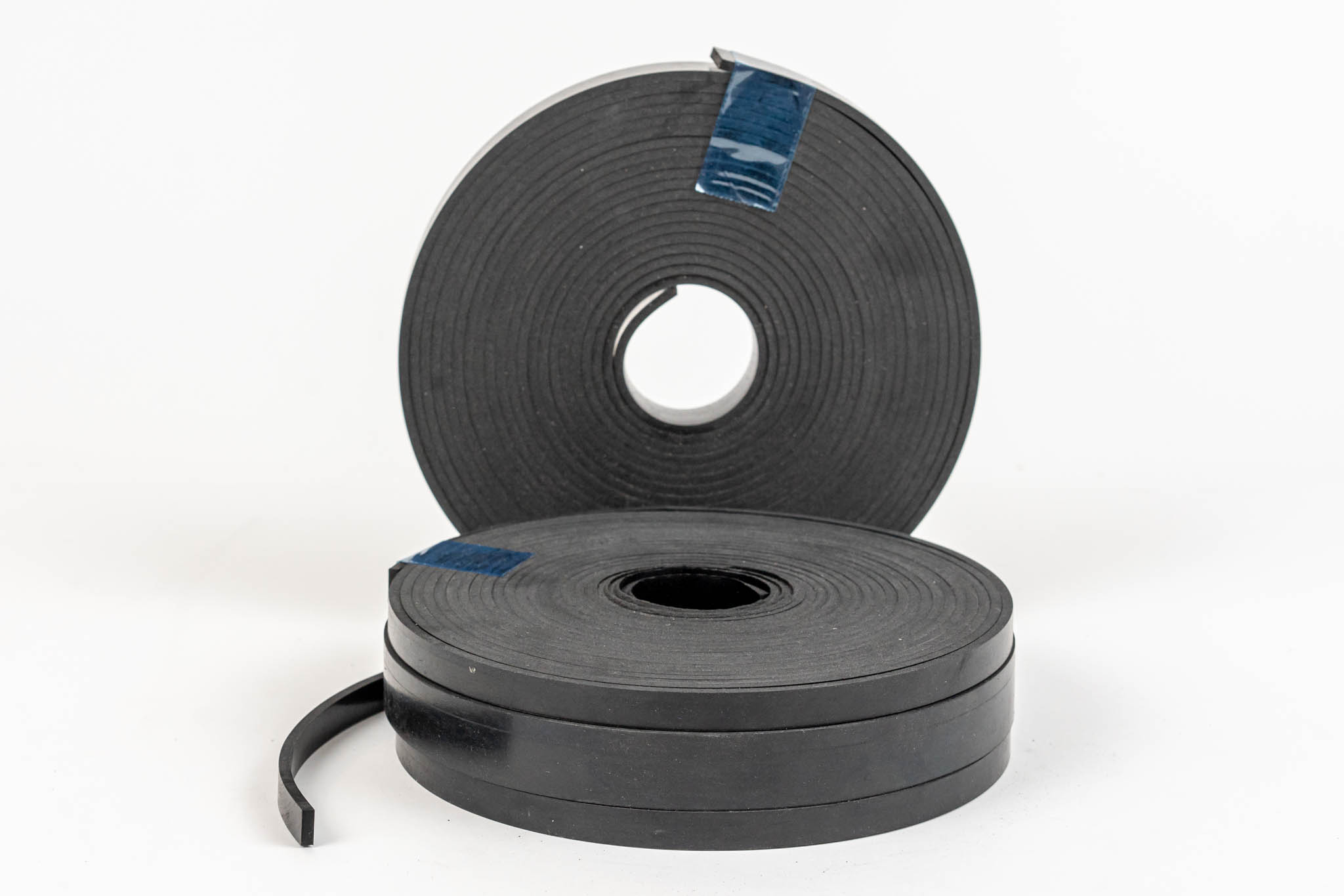
tape/strip

What is EPDM?

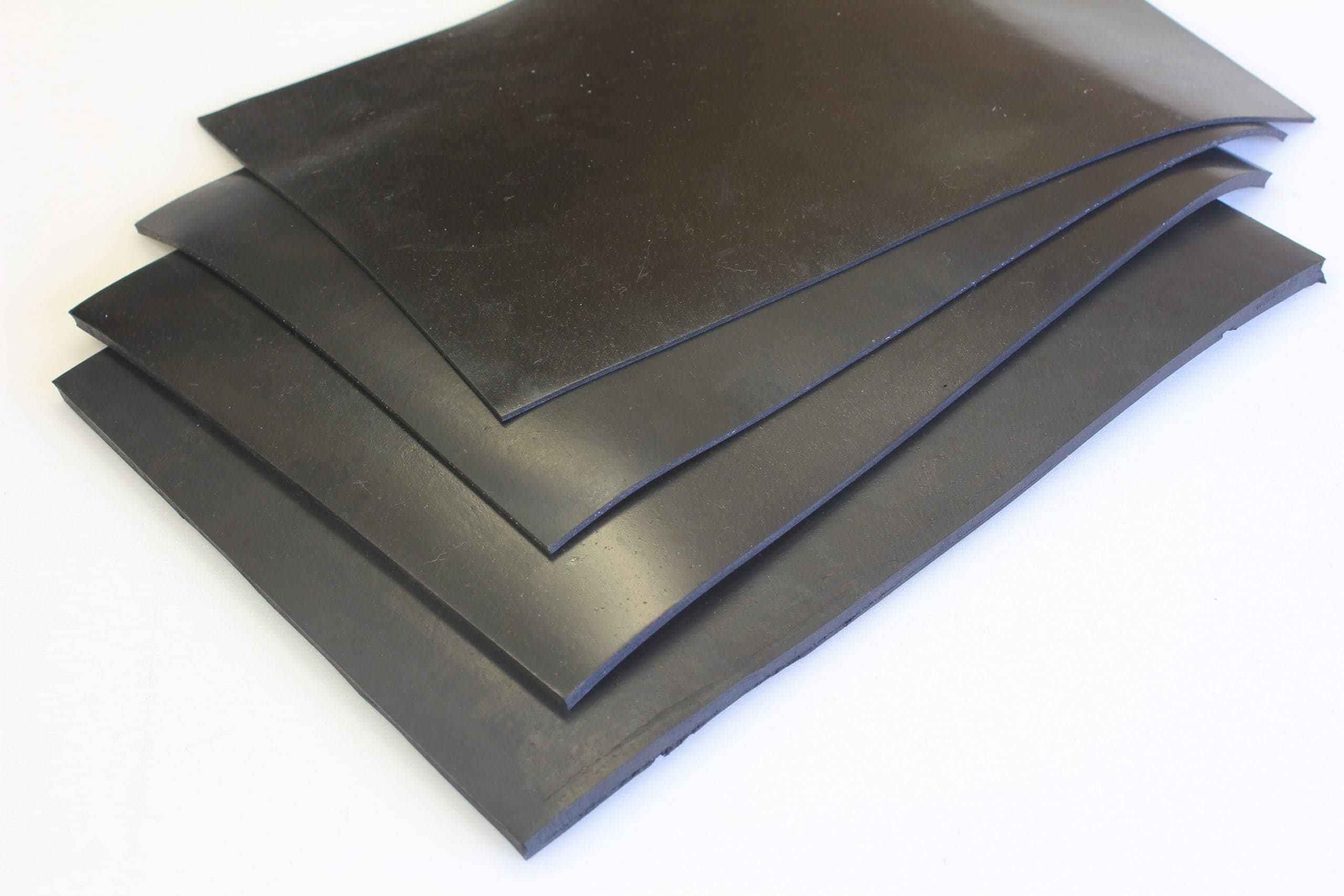
EPDM Rubber is a synthetic solid rubber made up of ethylene, propylene, and diene monomers. The molecular structure of EPDM has a single bond, making it an extremely elastic, durable material with strong resistance properties.

Some of the key properties of EPDM include:

A wide temperature range – it resists temperatures of between -30℃ and +80℃, depending on the grade (-40℃ and +100℃ for LSLT EPDM Rubber).

Weather resistance – it resists ozone and UV rays.

Steam resistance – it is extremely water resistant. This combined with temperature resistance means that it is resistant to steam.

Low electrical conductivity – EPDM is a good insulator against electricity (specific grades)

Tensile strength – it is tear and abrasion resistant, with a good compression set.

Fire resistant – Fire retardant grades are available for applications where this is necessary

Resistance to chemicals – it shows a good resistance to water-based chemicals and vegetable-based hydraulic oils, as well as dilute acids, ketones and alkalis.

With these combined advantages, EPDM is widely used as a lower cost polymer, well suited for use in many different applications. With its temperature resistance and weathering properties, it is well suited for outdoor applications, even in sub-zero conditions and when it comes into contact with very cold materials.

extrusions

Let’s look at some of the common uses of EPDM Rubber:

Construction

As an excellent insulator, combined with its weather and waterproof properties, EPDM is commonly used in construction. For many years, it has been used as a major insulating material roofing, particularly flat roofing, however, it is also widely used as a sealant for applications such as door seals, expansion joints, water tanks and pools.

Industrial

As with construction applications, EPDM’s insulating, water and weatherproofing properties, combined with its tensile strength and flexibility, make it a well-suited material for a range of industrial uses. EPDM is commonly used for gaskets, grommets, belts, hoses and O-rings, and for insulators and connectors for electrical wires and cables. 

HVAC

EPDM is commonly used in gaskets, seals, tubing, grommets and wide range of other applications in the HVAC industry.

Automotive

Automotive applications of EPDM are very common, as it is a highly flexible material, with good resistance to weathering, high and low temperatures, and hydraulic oils. EPDM is used to make a number of different automotive products, including seals, sealant, brake systems, wire and cable systems, and vehicle weather stripping. It may also be blended or vulcanised with other materials for car rub strips and bumpers.

EPDM moulding

Our EPDM Rubber Manufacturing Capabilities

Talk to us today to discuss your EPDM needs. Our experts will help you to choose the right grade of material to suit your application.

As specialists in the conversion of EPDM, we produce and supply an extensive range of products, including:

  • Gaskets
  • Strip/tape
  • Washers
  • Sheeting
  • Fabrications
  • Extrusions
  • Moulding

rubber moulding

Whether you are looking for prototype, one-off or regular large scale production runs, our team are here to help you. Call us on 0121 773 8494.

CB Frost Exhibit for the first time in 2021 – RSN Rail Industry Show, Derby UK

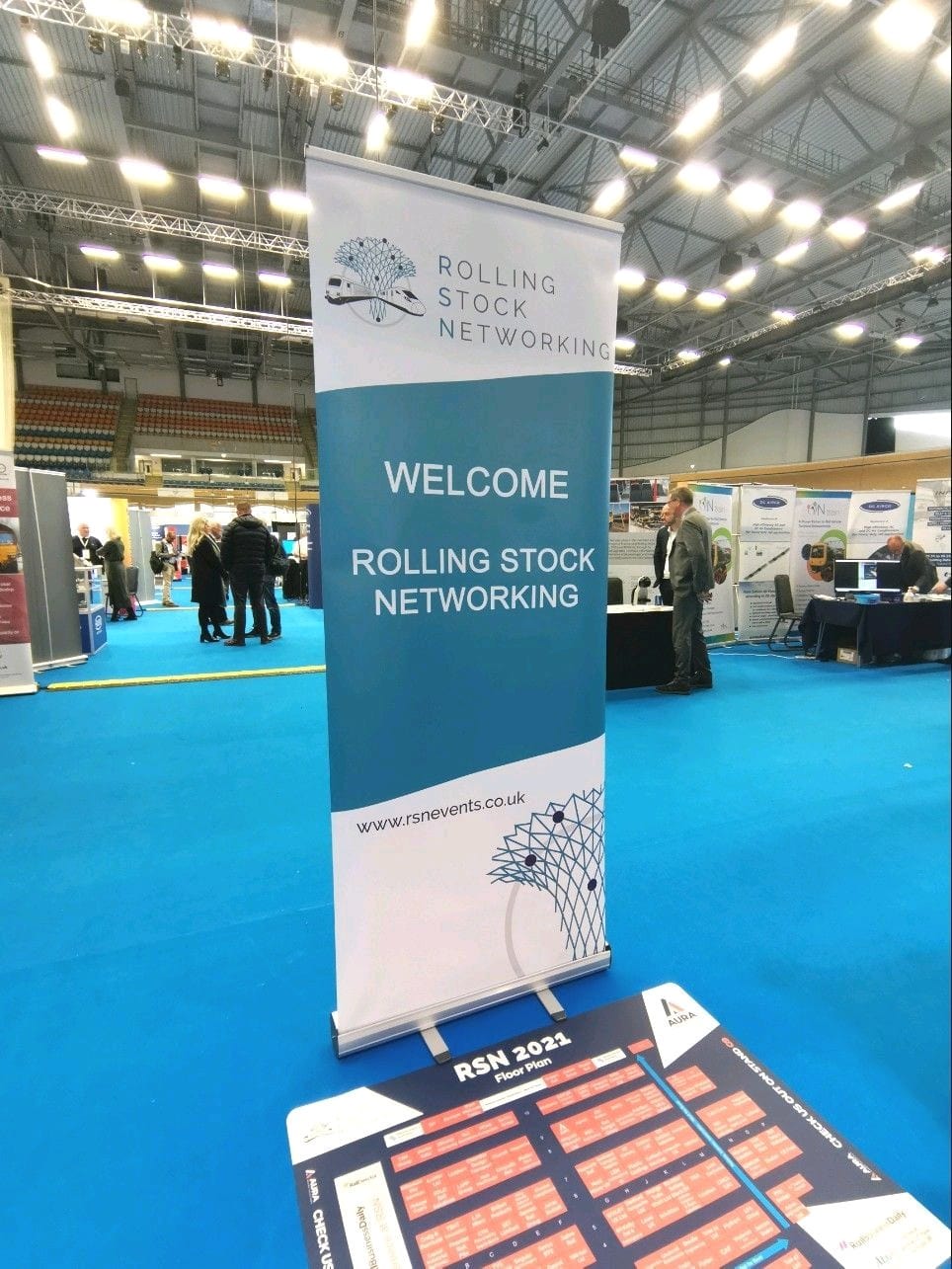
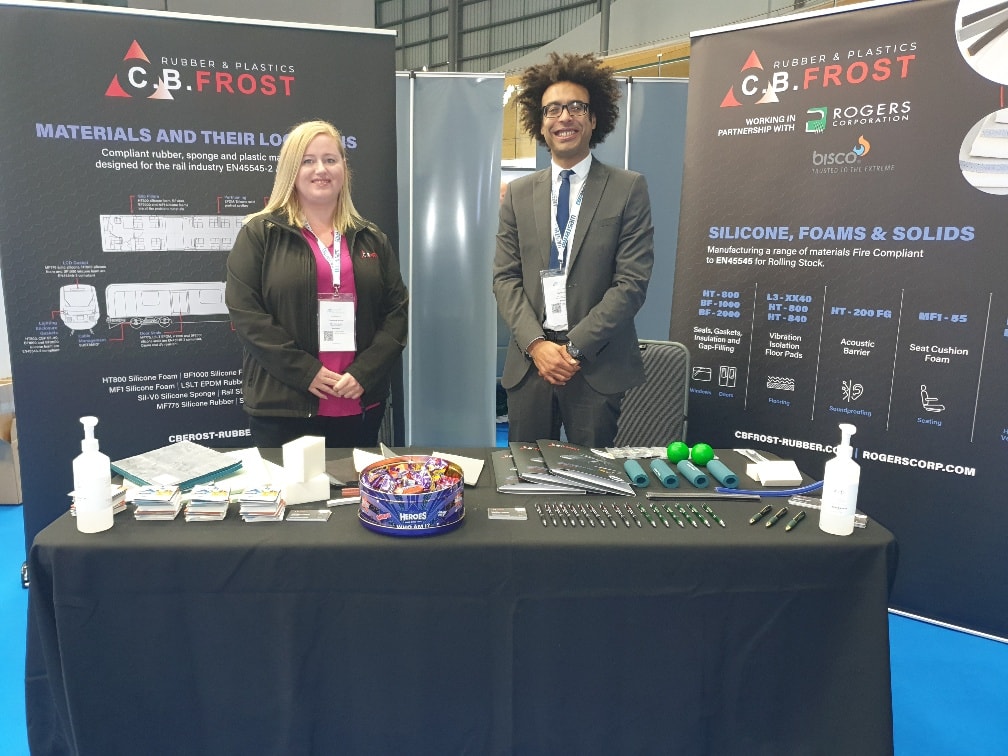
It was an exciting week for CB Frost last week as we exhibited in the UK for the first time since 2010. On the 30th September, we were at Derby Arena for RSN 2021, displaying our full range of materials, as well as presenting our extensive manufacturing capabilities.

RSN 2021

Only the second live indoor rail show to take place this year, the Rolling Stock Networking event focused on Passenger and Freight Rolling Stock, Technical Enhancements, Depot Equipment, Ancillary Services, and the Rail Supply Chain. As specialists in supplying and converting materials to meet the needs of the modern Rail industry, RSN 2021 provided us with an excellent opportunity to catch up with existing contacts and industry colleagues, as well as promoting our specialist rail materials, and manufacturing capabilities, including:

  • Die cutting
  • Gasket cutting
  • Adhesive laminating
  • Moulding
  • Strip/tape cutting
  • Fabrication and assembly
  • Extrusion

RSN 2021

It was an extremely successful event for CB Frost. With over 140 different exhibitors on the day, visitor numbers were consistently large throughout the show with numerous present and potential customers visiting us at our stand. We are very happy to have received many enquiries, with particular interest in our new ArmaPet FR material.

Daniel Brock, CB Frost Business Development Manager, said: 

“What a great day all round. The stand was very busy from the get-go with numerous companies visiting, keen to see our material range and capabilities that we were showcasing. Our Bisco range of materials and samples were well received and we have numerous enquiries for the ArmaPet FR.”

RSN 2021

We were glad to be kept busy by visitors all day and as well as speaking to so many visitors on the day, we will also be following up on many leads from people who left their contact details with us. Daniel Brock added:

“CB Frost had over 40 companies visit our stand and that was only the people we got to speak too on the day – many a business card and brochure was taken without being able to speak to the recipient due to how busy the day was. Following this response to our stand, next year’s show has already been booked.”

We look forward to attending RSN 2022.

RSN 2021

RSN 2021

A Guide to Rubber Moulding at CB Frost

With our considerable expertise in rubber moulding, we can supply moulded rubber products in most rubber materials to suit any application. Whether you need a prototype, small batches, large-scale production or long running schedules, we can accommodate your requirements.  

Based in Birmingham, we supply moulded components to customers throughout the UK as well as building strong relationships with overseas customers.

Bespoke Moulded Rubber Components

To manufacture moulded components to meet your specific requirements, bespoke tooling is manufactured. If you are looking for a prototype for a new product, we can create tooling from a drawing, or if you are looking to replicate an existing component, we can reverse engineer to create a new mould. 

With our knowledge of rubber materials, we can work with you to choose the ideal material to suit the intended application. If you are looking to replicate an existing part, we can advise you on whether the existing material is the optimal choice and offer alternative solutions to help improve the product.

We can offer bespoke rubber components in commercial grade materials such as:

  • EPDM
  • Natural Rubber
  • Neoprene
  • Nitrile 
  • Silicone

If you need certain characteristics to suit the application or for industry compliance, we can offer rubber mouldings in special grades, including chemical resistant, flame retardant, military grade, and a wide range of FDA, British and European standard grades, including those designed specifically for the rail industry (EN45545-2, BS6853, LUL).

rubber moulding

Rubber Moulding Processes

Depending on customer requirements, we use injection or compression moulding processes to manufacture rubber mouldings. 

Injection Moulding

For the process of injection moulding, a precise amount of rubber material is fed into a compartment that pre-heats the material, feeding it into a barrel that injects the raw material under pressure into a closed, heated mould. 

There are many advantages to injection moulding, including:

  • Injection moulding is cost-effective for higher quantity production
  • Injection moulding produces little waste
  • Parts will not require trimming
  • The results are consistently accurate
  • Moulding cycles are fast
  • Precise dimensional requirements can be met for complex shapes

Compression Moulding

For the compression moulding process, raw rubber material is weighed and then placed directly into a moulding cavity. The mould is then closed, and heat and pressure are applied in order for the raw materials to form the intended shape. The mould must remain closed until the compression moulding is cured (set) – the moulding time will depend on the material used, the temperature it is moulded at, and the size of the component. 

As with injection moulding, there are several benefits to compression moulding, including:

  • More cost-effective than injection moulding
  • Well suited for small quantity production or for products that require longer curing times
  • Ideal for moulded parts with large cross sections
  • Compression moulding allows for the capacity to process stiffer materials
  • Waste material is reduced

Choosing the right rubber materials to suit your moulding specification

With our knowledge and experience, we are here to support you in making the right material and process choices to suit your specifications. With our in house capabilities, we are committed to producing high quality moulded rubber components and meeting fast lead times to benefit our customers.

For more information on rubber moulding at CB Frost, please contact our team on +44 (0)121 773 8494.

What You Need To Know About PORON® Urethane Foam

For over 30 years, CB Frost has maintained a close relationship with world leading speciality engineered materials company, Rogers Corporation. We are a preferred UK converter of Rogers products, including PORON® Urethane foam. 

PORON® Urethane is an industrial polyurethane foam that is known for its compression set resistance. Its open cell or semi closed cell design ensures that it keeps its shape, softness, flexibility and cushioning throughout its lifetime, even through multiple impacts. After poron is subjected to pressure, it will expand to return to its original size and shape, or at least until it meets a new pressure or impact. As a result, it can be an extremely dependable material for use in a wide range of applications across many industries.

PORON® Urethane Foam

The key characteristics of PORON®

In addition to low compression set, important characteristics that make poron a versatile material for a vast number of applications are:

  • Excellent impact and vibration absorption
  • Low outgassing
  • Temperature flexibility – able to withstand temperatures of between -40 and 90°C
  • Good chemical resistance
  • Available in different grades – including PORON® 4701-40 soft foam, PORON® 4701-50 firm foam for managing high energy impact and PORON® 4701-60 firm foam for energy management solutions including enclosure gaskets

Poron is well suited to a wide range of manufacturing processes to suit different applications. At CB Frost, we regularly die-cut poron urethanes into gaskets, strips or tape, washers and sheeting. It is also easy to fabricate, and can be combined with other materials for specialist applications.

Suitable applications

As a versatile material, poron is used for gaskets for automotive applications, LCD monitors and enclosures, as well as for sound and vibration absorption and dampening for a range of vehicles, as padding and cushioning for electronic applications, and even as shock absorption in shoes and athletic gear. 

At CB Frost, typical applications for poron include dust, water and non-fogging seals for lighting fixtures, and door panel seals for a range of vehicles, as well as cushioning for an extensive range of electronic and communications devices.

Why choose CB Frost for PORON® Urethane Foam Conversion

As well as being a trusted partner of Rogers Corporation, CB Frost offer the highest level of quality in terms of finished product and customer service. With our extensive inhouse manufacturing capabilities, we can deliver poron products with rapid lead times, whether you require a one off product or mass production. Working with us, you can also rest assured that we provide full lot traceability on raw material and deliver on time to suit your requirements.

For more information on PORON® products or for advice in selecting the best suited material for your application, you can call our knowledgeable sales team on +44 (0)121 773 8494 and we will be glad to assist you.

90 Years of Neoprene Rubber


neoprene rubber

At CB Frost, we supply a massive catalogue of rubber materials to be used across practically any application and we are continually looking to add to our material range in order to manufacture and supply the best possible products for our customers. However, as well as looking to innovate, we are also committed to supplying the materials that have been proven to be effective over many years. To this day, Neoprene continues to be one of our most durable, versatile and popular materials.

What is Neoprene?

Neoprene is a highly versatile synthetic elastomer compound that is suitable for a wide range of purposes. It is a closed cell synthetic rubber, invented by scientists at American company DuPont in 1930 and first introduced to the market in 1931. Developed as an oil resistant alternative to natural rubber, it features many of the same properties, but with resistance to degradation from ozone and general weathering. As a result, neoprene has been a popular choice for design engineers in all industries for the last 90 years.

Needless to say, neoprene has a proven track record for success in many applications.

Neoprene rubber

Also known as Chloroprene, neoprene rubber is a solid synthetic rubber that is well suited to a wide range of applications.

Key characteristics of neoprene rubber include:

  • High tensile strength, tear resistance and physical toughness
  • Resistance to UV, ozone and weather conditions
  • Remains effective when exposed to temperatures between -20℃ and 80℃
  • Compression set resistance, compression recovery and stress relaxation
  • Performs well when exposed to oils and many chemicals

At CB Frost, we supply neoprene rubber in a range of thicknesses, and in a selection of different grades to suit customer requirements, including BS6853 Cat 2 and EN45545-2 fire safety approved grades.

Neoprene sponge

Neoprene sponge is a closed cell synthetic rubber material that features many similar properties to EPDM sponge and natural sponge. Like neoprene rubber, it is well suited to a wide range of applications, however, it does not exhibit the same resistance to UV, ozone and weathering.

Key characteristics of neoprene sponge include:

  • Available in fire retardant grades
  • Performs well when exposed to oils
  • Remains effective when exposed to temperatures of between -40℃ and 75℃
  • Chemically inert

We supply neoprene sponge in a range of thicknesses and in fire retardant grades to suit customer requirements.

What is Neoprene used for?

neoprene rubber strip

With a wide range of useful characteristics, including strength, weather resistance and vibration dampening, neoprene is widely used across many industries. Both neoprene rubber and sponge are highly versatile, and are commonly used for applications including:

  • Insulation for wiring and cables
  • Vibration damping and isolation pads and platforms
  • High pressure gaskets
  • Automotive gaskets
  • Gaskets to seal air, water, oils, dust and other environmental elements
  • O-rings
  • Insulation strip or tape
  • Cord

As well as use in industries such as automotive, aerospace, medical and healthcare, agriculture, transport, rail and defence, neoprene is also regularly used for wetsuits, athleticwear and a range of athletic equipment.

Our Neoprene Rubber products

As well as supplying neoprene rubber and sponge in sheet or roll form, our inhouse manufacturing capabilities allow for us to convert neoprene into an extensive range of products to suit any application that our customers require.

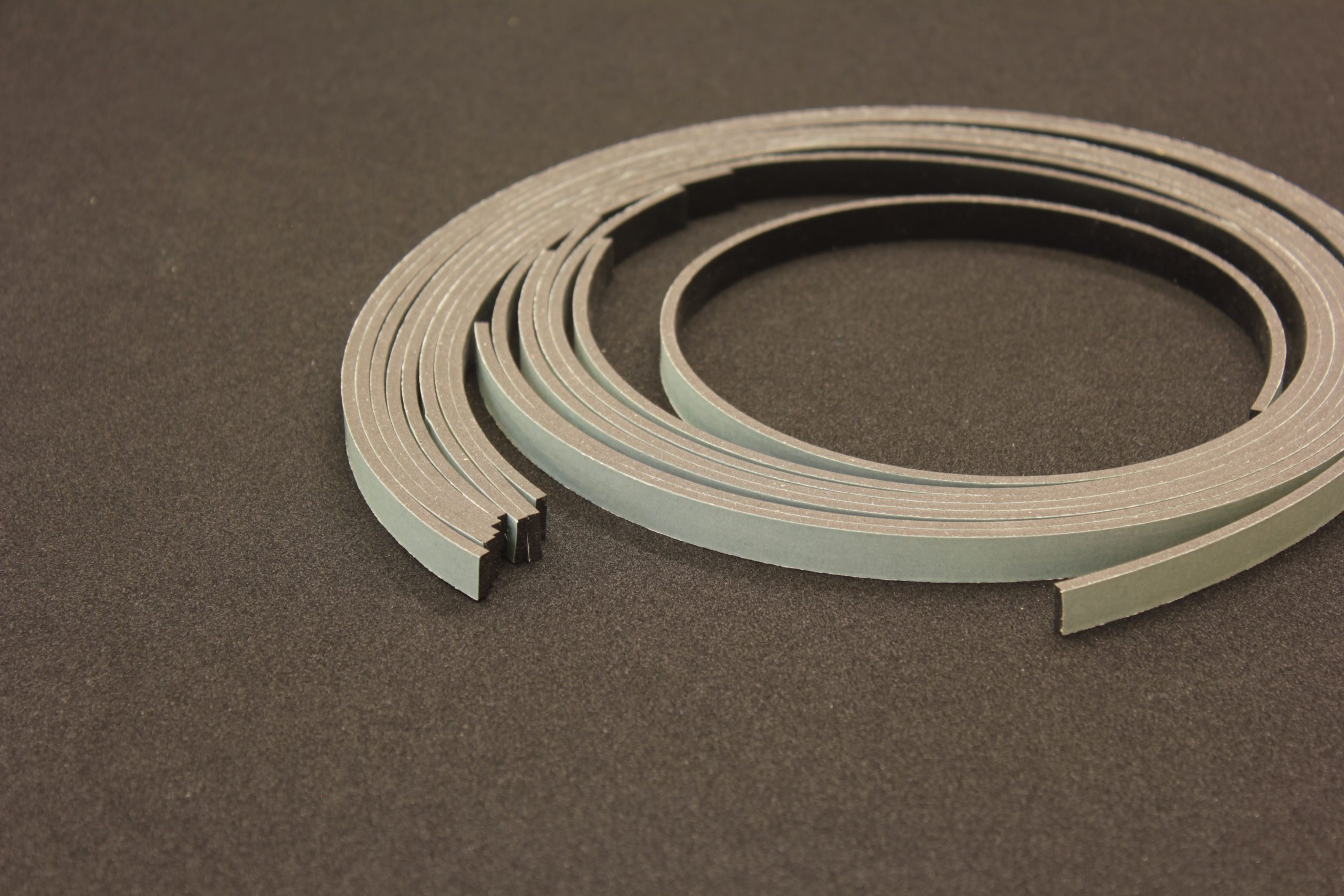
Using our overhead and high speed cutting presses, we can cut neoprene sheet material into strip form, or adhesive backed to create insulation tape for ease of use. We stock a wide range of adhesives to suit each application.

We use a wide range of manufacturing processes to create products including gaskets, washers, o-rings, insulation materials and cord. In addition to cutting sheet material to shape using our die cutting and brandsaw processes, we can also convert neoprene to the required shape through extrusion, moulding and fabrication processes.

To discuss your application requirements, and choose the ideal specification of neoprene to suit your needs, you can contact our expert sales team by calling +44 (0)121 773 8494 or email us and we will be happy to assist you.

CB Frost Take Delivery of a New Overhead Press

In order to maintain our reputation as a leading specialist in the conversion of rubber, sponge and plastic materials, it’s vital that we maintain our ethos of ‘quality without compromise’. This means continually developing our production capabilities to offer our customers the highest quality products whilst maintaining fast lead times. 

As well as introducing new materials and developing new bespoke products on a regular basis, in order to increase production whilst maintaining the same level of quality and precision that customers in all industries expect from us, we have always invested heavily in our production machinery. 

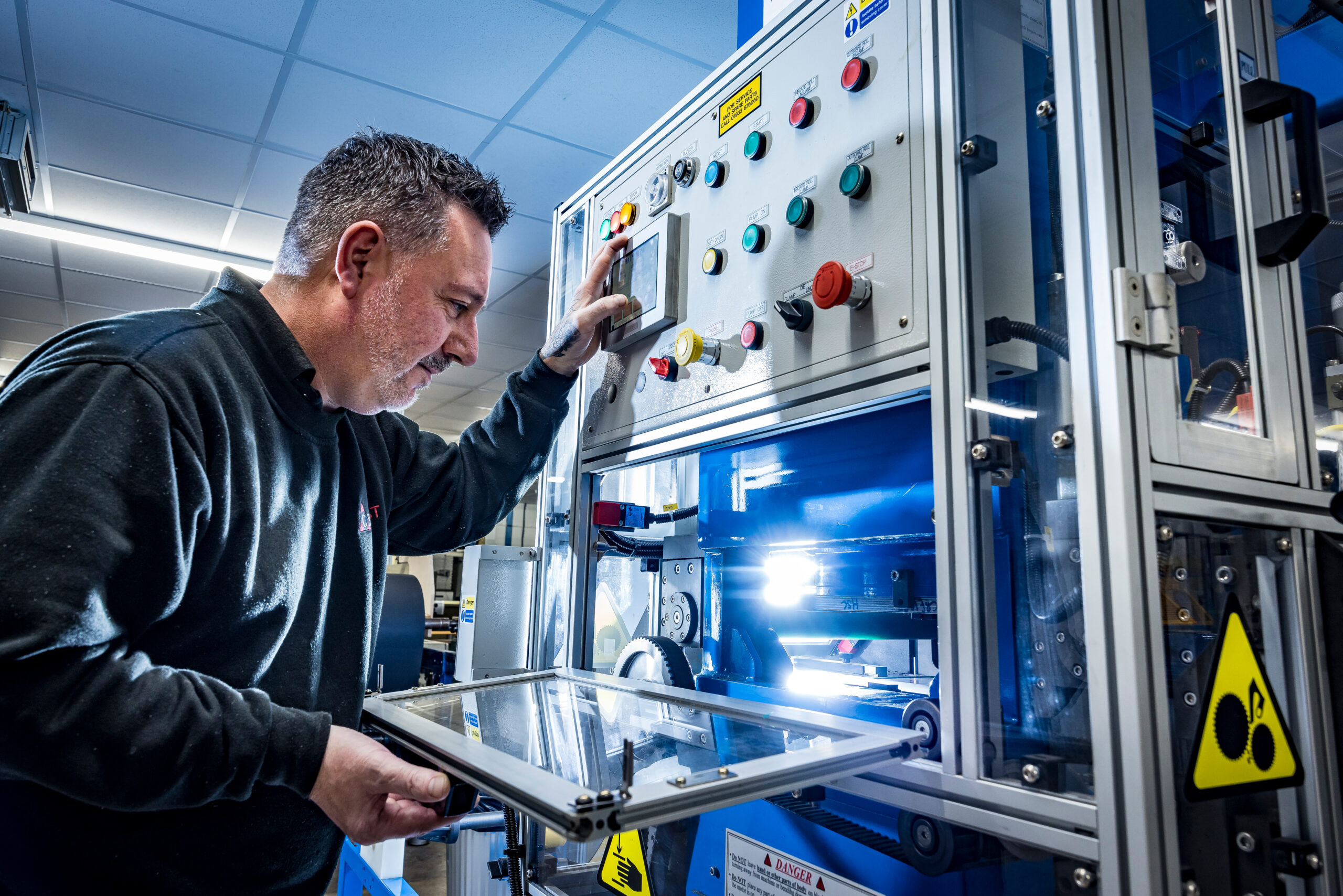
In addition to the introduction of our high speed gasket cutting machine last year, to further increase our gasket, washer and strip/tape production, we have now taken delivery of a newly refurbished overhead press, equipped with a range of user friendly features, along with a 5 HP motor and cutting force of 30 tons to make for high precision in cutting a wide range of products.

overhead press

Our Refurbished Overhead Press

Following refurbishment, our good as new model TH-35 overhead press features the following specifications:

  • Cutting force: 30 tons
  • Main motor: 5 HP
  • Machine bed: 760D x 2000Wmm
  • Cutting head: 750D x 750Wmm
  • Cutting stroke: 130mm
  • Open daylight: 25-155mm
  • User friendly keypad
  • Stroke counter
  • New P.P. cutting pad on the machine bed
  • Push bar operating control system
  • Inboard CE type 2 no-command 060-600mm photocell at the front of machine outside of cutting area
  • Rear safety guard

overhead press

With a user-friendly keypad, pushbar operating control system and stroke counter, the new cutting press is easy to operate and ensures that the specified number of products are manufactured. To ensure precision, the inboard photocell ensures that the rubber, sponge or plastic material is fed to the right position for each cut, helping to cut down on waste materials.

Adding a further cutting machine to our facilities further increases our production capacity at any one time, and allows us to choose from a range of cutting and kiss cutting presses for each production run. For example, for large volume production runs, we may choose our high speed cutting press, whilst for lower gasket volumes, our refurbished overhead cutting press will provide the ideal level of speed and precision to ensure quality and meet lead times.

overhead press

Gasket Production

If you are in need of gaskets, washers, strip or tape, with our extensive inhouse production capabilities, we can deliver what you require with the highest level of precision and quality, to meet your desired lead times.

If you have questions about our cutting presses, or would like help in choosing the best suited materials for your application, you can call our friendly and knowledgeable sales team today on +44 (0) 121 773 8494. We are always happy to provide assistance.

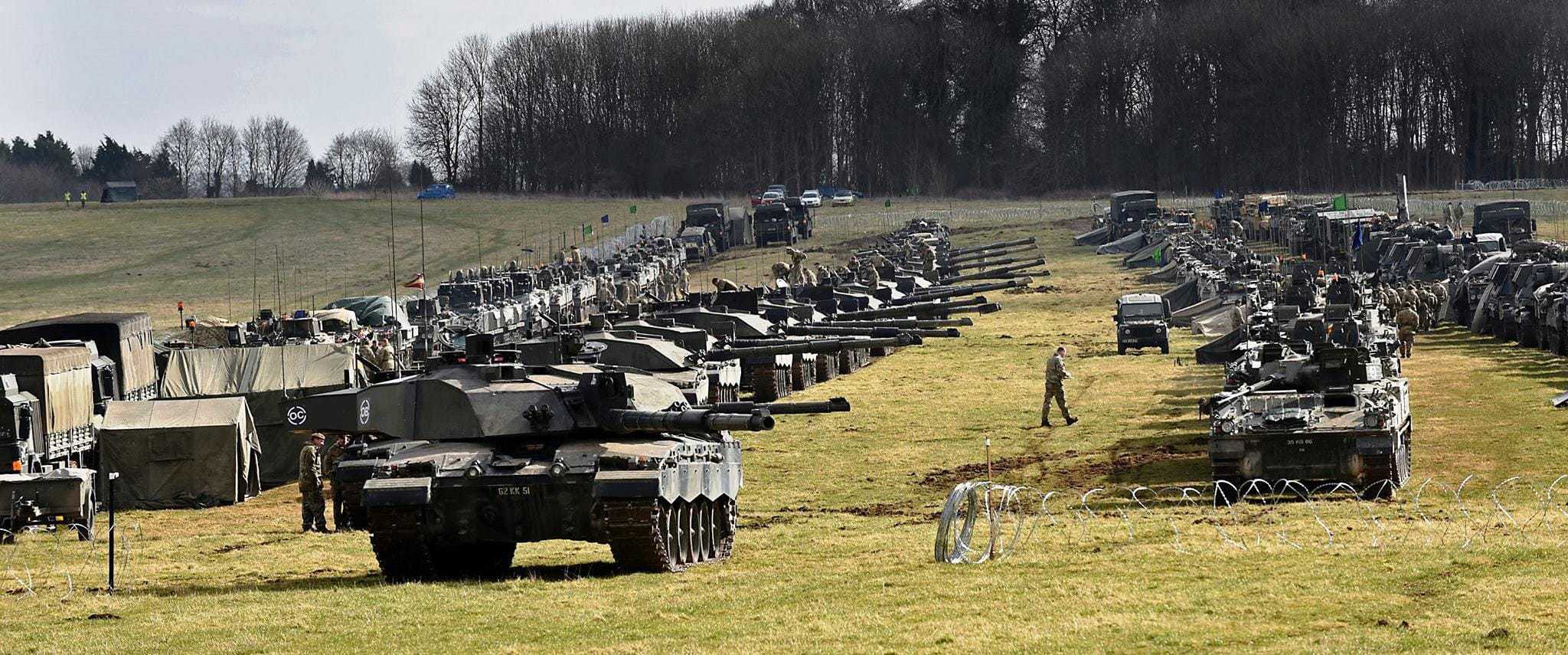
Supplying the Defence Industry – Land and Naval Systems

defence industry

As a leading UK manufacturer of high-performance rubber and plastics products, CB Frost have been an approved supplier to the Ministry of Defence (Land and Naval divisions) for over 30 years, manufacturing a range of specialist defence industry products, including gaskets, noise and thermal insulation pads, rubber gaiters, bespoke seal turrets, O-rings and moulded seals.

Needless to say, the UK’s land and naval military services demand an extremely high specification of products, paired with a fast turnaround time. As a result, it is CB Frost’s responsibility to ensure that all equipment and working methods are up to date with the latest technological advantages at all times in order to continue to fulfil military requirements.

Our commitment to meeting technological requirements means that we are in turn able to offer various types of paperwork, including:

  • FAIR
  • CoFc
  • D Certification

In addition to necessary paperwork, we also provide NSN (national stock number) and FV (fighting vehicle) parts lists for defence clients.

Working alongside first tier suppliers such as BAE, General Dynamics and Babcock Defence for a number of years, we have been able to continually develop our deep understanding of the UK’s land and naval systems and their unique requirements. This knowledge allows for us to manufacture the most practical and relevant solutions for the defence industry, whilst also ensuring cost-effective products.

Defence Industry Opportunity Through Make UK Defence

As we seek to increase our network of Defence industry clients and increase our output of specialist parts for land and naval divisions of the MoD, CB Frost has joined Make UK Defence, the national not-for-profit, member owned defence trade association. Make UK Defence is a division of Make UK manufacturer’s organisation, and is committed to supporting and celebrating the UK’s innovative and diverse manufacturers supplying the defence industry, working to build an innovative and internationally competitive UK defence chain. 

With the Ministry of Defence being the only government department to be granted a 4 year spending settlement, and a £16.5b budget increase, this provides us with an ideal opportunity to win competitive advantage over overseas defence exports, and increase our output and overall range of land and naval systems products.

Through our membership with Make UK Defence, we can stand to benefit from access to defence insights, along with the opportunity to attend networking and meet the buyer events to build strong MoD connections, gaining an advantage over our competitors and helping us to strengthen our reputation as a market leading manufacturer of bespoke rubber and plastics products.

Contact us for Expert Advice

If you would like to request a samples brochure and material samples, or would simply like to ask for our expert advice or more information on the range of quality defence  products we can manufacture, please call us on +44 (0)121 773 8494.