






Extending Railcar Life: How Smart Material Upgrades May Improve Safety, Comfort, Longevity and Compliance
News
February 23, 2026
A refurbishment project often begins with a walkthrough of a decades-old train. The seats may have lost their comfort, or the door seals no longer close tightly. Panels rattle under vibration, and the materials behind them were never designed for today’s safety concerns. Yet the frame is solid, and the...
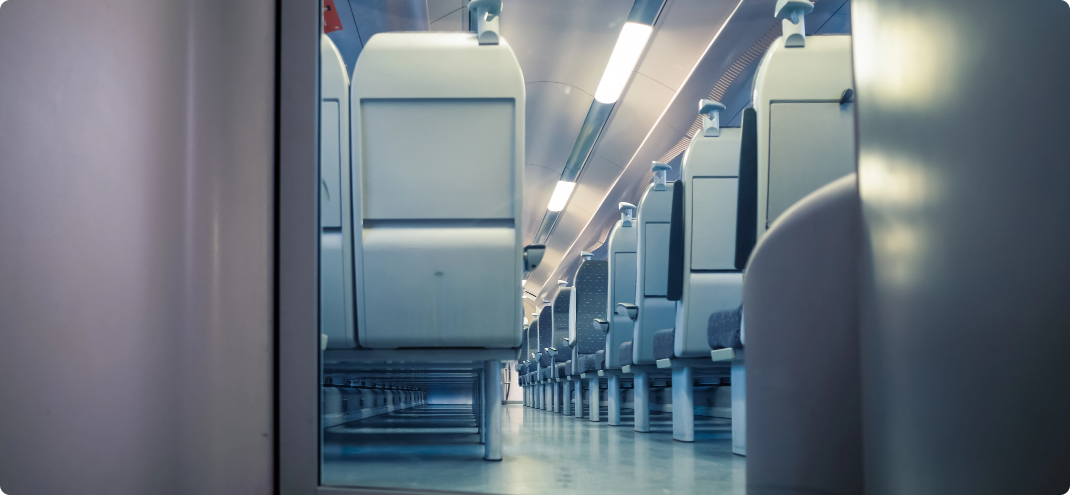
A refurbishment project often begins with a walkthrough of a decades-old train. The seats may have lost their comfort, or the door seals no longer close tightly. Panels rattle under vibration, and the materials behind them were never designed for today’s safety concerns.
Yet the frame is solid, and the operator’s goal is clear: extend service life while improving performance and compliance.
For design engineers, that means upgrading the materials inside these railcars to meet European modern standards like EN45545-2 without changing the structure or layout of the vehicle. It requires components that fit existing geometries, withstand years of service, and pass the tests that matter: flame spread, smoke density, and toxic gas emissions.
That is where CB Frost comes in. We combine globally trusted materials from Rogers Corporation with local engineering and fabrication expertise to help European refurbishment teams modernise existing fleets efficiently and confidently.
EN45545-2: Modern Standards for Legacy Fleets
EN45545-2 defines how materials must perform in the event of a fire. It categorizes applications by hazard levels (HL 1, HL 2, HL 3) and requirement sets (R 1–R 26) that apply to specific components such as interior panels, seating, and electrical insulation. Materials that achieve HL 3 performance automatically comply with HL 1 and HL 2, giving engineers flexibility and confidence across designs.
Rogers Corporation BISCO® silicones—including HT-800, BF-1000, and MF1®—are tested and approved to EN45545-2 with materials meeting several Requirement Sets R2, R3, R8, R9, R10, R19, R21, R22 and R23 at Hazard Level 3 (HL 3). These materials are trusted across Europe for seating, interior and exterior sealing, and insulation in refurbishment programs where compliance and long-term reliability are non-negotiable.
Technical Snapshot: BISCO® MF1® Silicone Foam
- Typical Applications: Seating, interior panels, cushioning, vibration isolation
- Standard: EN 45545-2 R19 and R21 (HL3 compliant for seating applications)
- Density: 80 – 112 kg/m³ (depending on grade MF1-35 to MF1-75)
- Compression Set: ≤ 1.5 % (ASTM D 1056, 22 h at 70 °C)
- Temperature Range: −55 °C to +200 °C
- Features: Excellent resilience, low smoke and toxicity, durable comfort over years of use
Designing for Long-Term Performance
Material selection determines how long an upgrade truly lasts. In older trains, foam cushions and rubber seals often degrade from heat, compression, and vibration. Over time, they lose recovery, allowing gaps to form or comfort to diminish.
Upgrading to engineered silicone foams solves these issues by maintaining flexibility, compression recovery, and stability even after years of continuous loading and temperature cycling.
- BISCO MF1 maintains comfort and resilience in seat cushioning and interior panels while meeting the strictest fire-safety standards
- BISCO® HT-800 offers stable compression and sealing for doors, roof mounts, and HVAC systems, helping prevent water ingress and noise transfer.
- BISCO® BF-1000 provides a lightweight, flame-retardant option for enclosures and insulation applications.
These materials perform across wide temperature ranges and resist environmental aging, helping operators extend maintenance intervals and lower total lifecycle cost.
Local Fabrication, Faster Turnaround
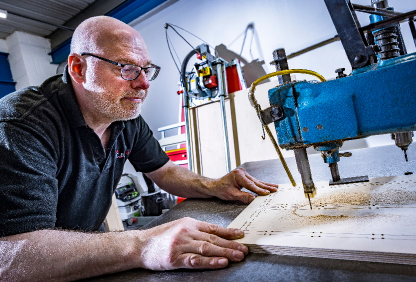
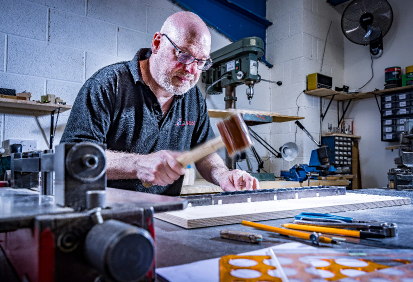
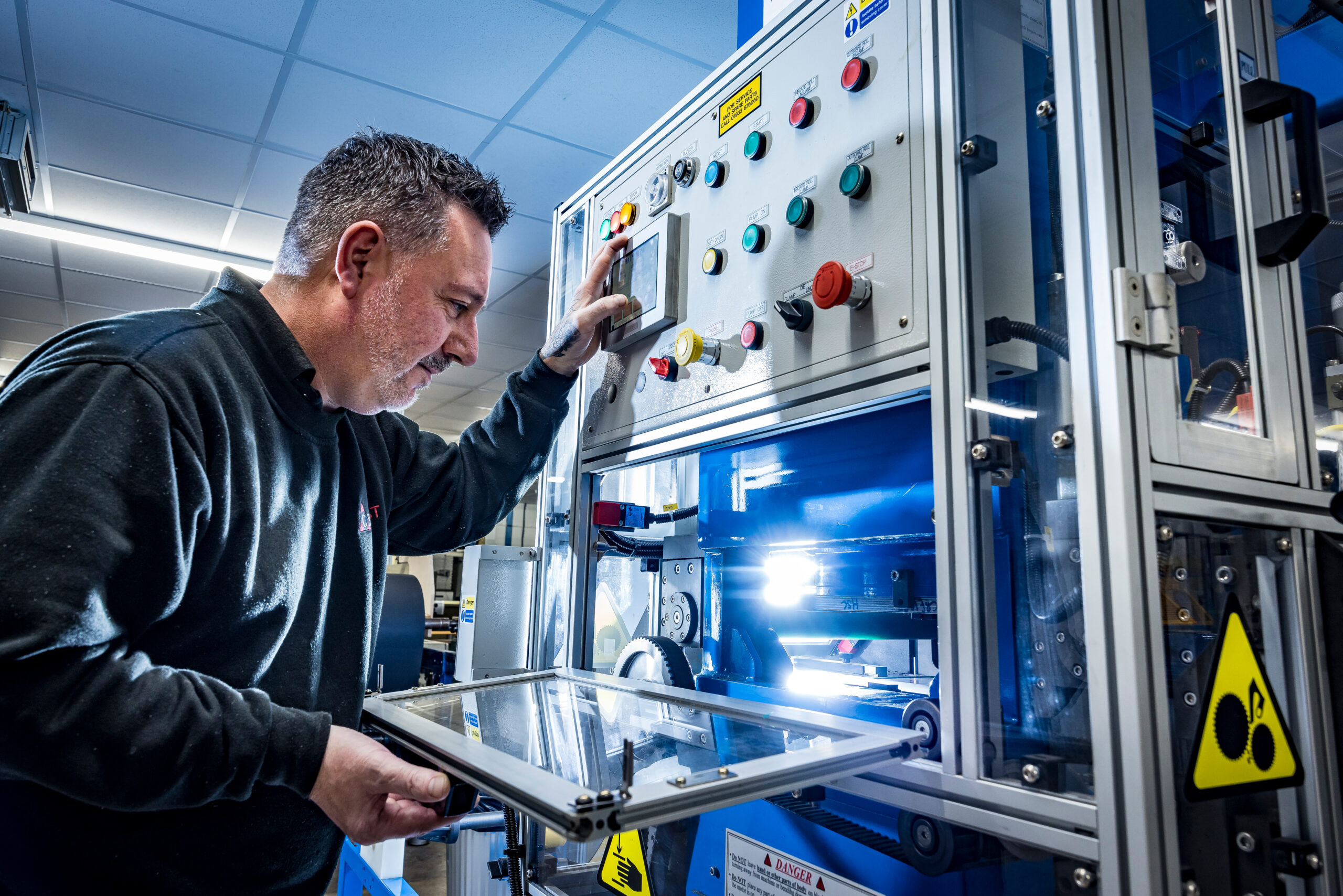
Refurbishment projects often run on tight schedules. Every additional week a train remains in the depot adds cost and disrupts operations. CB Frost supports these programs with UK-based converting and lamination capabilities, turning certified materials into ready-to-install parts within short lead times.
Our in-house team can reproduce existing parts, modify designs for fit, or laminate pressure-sensitive adhesives for easier assembly. Local stock of EN45545-2 compliant materials ensures that supply keeps pace with refurbishment timelines.
Global Materials. Local Expertise.
The Rogers and CB Frost & Co partnership gives European rail engineers the best of both worlds: Globally proven materials from Rogers —trusted by major OEMs and Tier 1 suppliers—and CB Frost’s local, responsive support to help implement them effectively.
Together, we simplify refurbishment programs, reduce lead times, and ensure that every component meets the highest standards for safety and reliability.
Extending railcar life is not only a matter of maintenance; it is an opportunity to upgrade performance and safety. Replacing outdated foams and seals with high-performance silicones helps fleets meet today’s standards while preparing for another decade of reliable service.
From seat cushions to HVAC seals, our material solutions are engineered for performance, fabricated locally, and built to last.
To discuss your rail needs or for assistance in material selection, talk to our knowledgeable sales team.
Keep up to date with the
latest CB Frost & Co news
Sealing and protecting infrastructure like outdoor electrical enclosures, industrial lighting and HVAC units is a key consideration for engineers and manufacturers. In environments where there is a constant battle against the elements, a seal failure doesn’t just mean a bit of water ingress, but can lead to huge system failures that generate major safety hazards, […]

In the rail industry, MF775 silicone rubber isn’t just a material, it’s a critical safety component. The modern rail infrastructure demands materials that are not only durable and high-performing but, most importantly, fire-safe. In the event of a fire, materials used in rail vehicles must limit the spread of flames, smoke, and toxic fumes to […]

Selecting the ideal material for industrial sealing solutions comes down to the specific environmental conditions that the seal will be exposed to. Two of the most popular contenders for sealing solutions in a wide variety of industries are General Purpose Silicone Rubber and EPDM Rubber. Both are high-performance materials offering distinct advantages, particularly for use […]

As CB Frost grows and explores new markets, it’s important that we invest in the growth and development of our team. For a number of months now, we have been searching for the ideal candidate to bolster our sales team and we are very pleased to announce the appointment of Elliot Beach as our new […]

As a specialist foam rubber supplier, in addition to providing a wide range of foam rubber sheet materials, we also manufacture an extensive range of foam rubber products, including gaskets, washers, mouldings, extrusions and fabrications to suit applications within a wide range of industries. Let’s discuss the definition of foam rubber, its key advantages, and […]

The rail industry is forever rolling on, and innovation and efficiency are key drivers of this progress. In order to keep rail infrastructures running throughout the world, attention to the smallest details is vital, particularly when it comes to material selection for rail vehicles and carriages. Among the cutting-edge materials revolutionising the sector, HT800 silicone […]

With its unique properties and versatility, silicone rubber has revolutionised numerous industries. From automotive and aerospace to healthcare and electronics, silicone rubber has become a go-to choice for manufacturers seeking a high-performance material. With its exceptional durability, heat resistance, and flexibility, silicone rubber strips, sheet material and gaskets offer a wide range of benefits that […]

At CB Frost & Co, “Quality without compromise” is more than just a catchy tagline—it’s the ethos that has driven our business for over 100 years. A lot has changed since our beginnings in 1921, but our drive to provide the best for our customers has not. Whether we are manufacturing intricate gaskets for the […]

General purpose silicone rubber is a cornerstone of modern manufacturing, relied on for its exceptional performance in everything from consumer goods such as kitchenware, to industrial seals and aerospace engineering. While its incredible resilience is widely known, the reasons behind its superior properties lie in its unique molecular structure. Unlike other elastomers, it’s not a […]