






How Do BF2000 Strips and Gaskets Enhance Passenger Evacuation Times in Rail Fires?
News
September 15, 2026
When a fire breaks out inside a rail carriage, passenger safety relies on how long internal seals can delay the spread of flames, smoke and toxic gases. Specifying BF2000 strips and custom gaskets provides an essential barrier to prevent rapid fire propagation, preserving carriage air quality, and maintaining clear emergency...
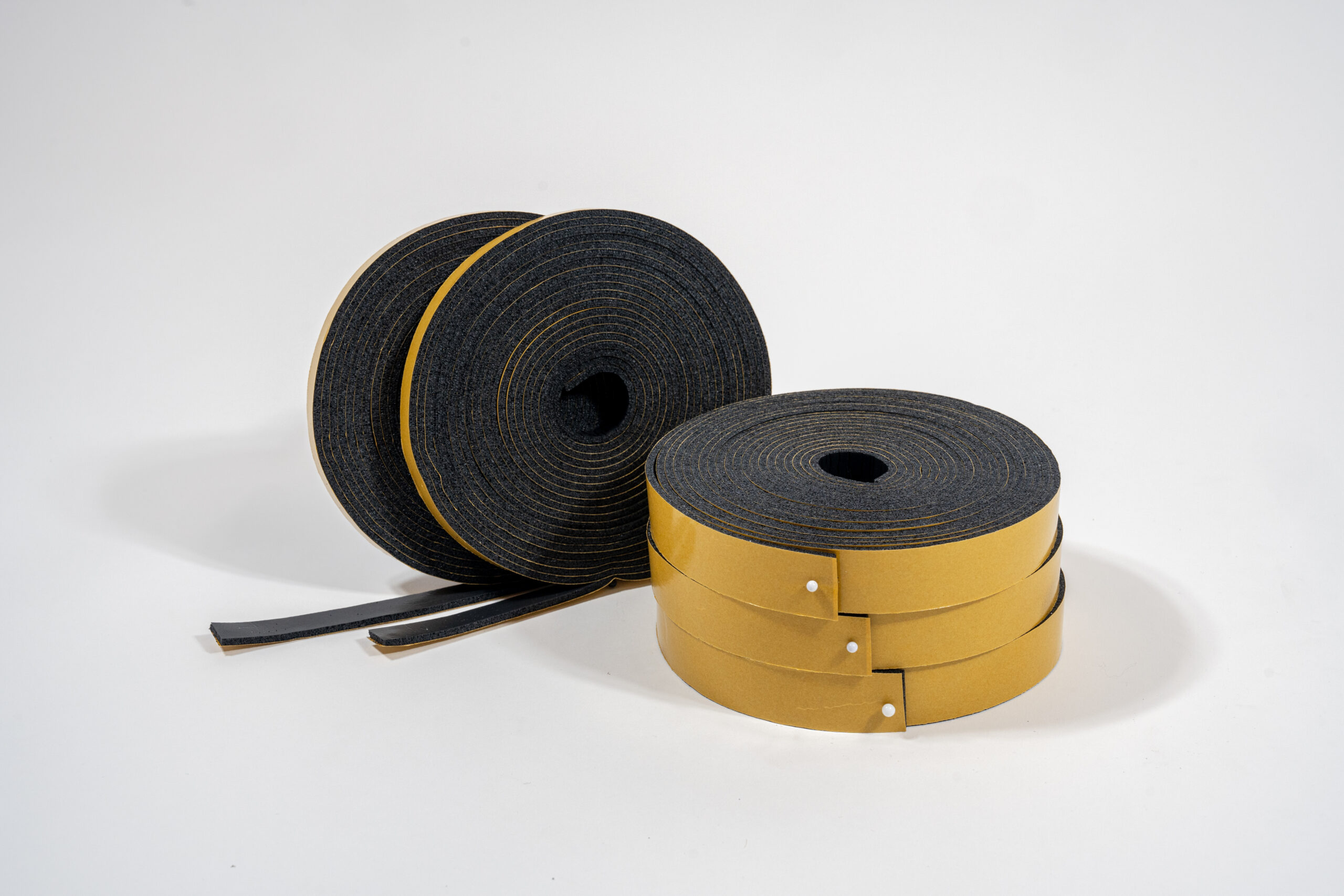
When a fire breaks out inside a rail carriage, passenger safety relies on how long internal seals can delay the spread of flames, smoke and toxic gases. Specifying BF2000 strips and custom gaskets provides an essential barrier to prevent rapid fire propagation, preserving carriage air quality, and maintaining clear emergency visibility. These ultra-soft, highly compressible silicone foam components allow rail engineers and train builders to meet strict EN45545-2 HL3 safety requirements while directly extending the crucial time window available for safe passenger evacuation.
What are Common Rail Applications for BF2000 Strips?
BF2000 is a highly specialised, ultra-soft silicone foam used to seal joints, cushion paneling, and protect electrical systems across rail carriages. With its soft cellular structure, BF2000 strips and gaskets require minimal force to compress, creating a durable barrier against fire, smoke, moisture, and extreme vibration without bowing light gauge metal or plastic panels.
Because of its extreme compressibility and high rebound resilience, BF2000 foam is widely specified across interior and exterior rail applications, including:
- Anti-rattle seals: Installed along interior wall panels, light fittings, and passenger seating joints to absorb continuous rail vibration and reduce cabin noise.
- Gap fillers: Filling structural gaps around interior trims to prevent moisture ingress and maintain draught-free insulation.
- Electrical enclosure seals: Providing airtight, flame-retardant environmental protection for sensitive electrical enclosures and cabinets.
- Camera housings: Protecting delicate external and internal CCTV security units against weather, dust, and severe thermal fluctuations.
- Access panel seals: Installed around hinged doors and inspection hatches to allow easy maintenance access while retaining complete fire and smoke sealing protection.
How Does the EN45545-2 Standard Regulate Rail Seals?
The EN45545-2 standard dictates the mandatory fire safety requirements of all non-metallic materials used in European rail vehicles. It strictly limits how quickly a material can burn, but also what hazardous byproducts it can release when exposed to fire, actively protecting passengers’ health during evacuation.
Materials are tested and categorised into hazard levels HL1 to HL3, with HL3 proving that the component can withstand the most extreme operational and environmental fire hazards without failing.
BF2000 silicone foam is EN45545-2 compliant to HL3, the highest hazard level category:
| Hazard Level | Risk Environment | BF2000 |
| HL1 | Standard, open, surface-level train and tram lines | Exceeds requirements |
| HL2 | Train lines with short, manageable tunnel routes | Exceeds requirements |
| HL3 | Metro systems, subways, sleeper trains, and deep underground networks | Fully compliant |
Why are Toxic Gas Emission Limits and Low Smoke Density So Crucial?
Toxic gas emission limits and low smoke density are vital as the inhalation of toxic fumes and visual impairment are actually the cause of a high percentage of rail fire fatalities. Materials that produce thin, non-toxic smoke maintain visibility, allowing passengers to quickly locate emergency exits.
Traditional, non-compliant rubber materials often emit a dense black smoke and toxic chemical gases when exposed to high heat, so when a localised fire starts on board a train, the rail carriage can fill up quickly. In contrast, advanced silicone foams like BF2000 ensure much safer conditions:
- Low smoke density: Keeping emergency lighting visible.
- Strict gas emission limits: Preventing passenger asphyxiation.
- Silicone base: Preventing the release of halogens and cyanides.
How Does Flame Retardancy in Rail Seals Protect Carriages?
Flame retardancy in anti-rattle seals, enclosure gaskets, gap fillers, camera housings, and access panel seals actively prevent rail fires from spreading across carriages. High-performance EN45545-2 silicone foam seals act as immediate firestops that keep a fire contained, slowing overall thermal propagation.
EN45545-2 fire safe materials such as BF2000 silicone foam retain their physical structure under intense heat, blocking both oxygen intake and fire expansion:
- Preventing flashover by depriving the fire of sudden oxygen.
- Maintaining compartment isolation to delay the spread of fire.
- Protecting the structural integrity of rail carriage frames.
Partner with CB Frost for EN45545-2 Compliant Rail Solutions
We understand the importance of sourcing certified EN45545-2 HL3 materials like BF2000 strips and gaskets to ensure rolling stock meets mandatory European standards for fire safety while protecting passenger evacuation processes. Partnering with Rogers Corporation, we supply and convert a wide selection of compliant silicone foam and rubber components, tailored to your exact engineering specifications.
Whether you need custom-cut anti-rattle BF2000 strips, adhesive-backed gap fillers, or bespoke electrical enclosure gaskets, we provide in-house conversion and full material traceability.
- HL1–HL3 compliance: Fully tested and certified silicone foam and rubber grades.
- In-house converting capabilities: Precision waterjet cutting, die-cutting, moulding, and custom profile extrusions and fabrications.
- Technical engineering support: Guidance on material selection and manufacturing.
Ready to specify compliant silicone foam or rubber components for your rail project. Explore our rail industry capabilities, or contact our sales team today to discuss your engineering requirements, and request material samples or data sheets.
Keep up to date with the
latest CB Frost & Co news

The end of the year is approaching, so there is no time like the present to take a look back at key events that have defined 2024 for CB Frost & Co. From navigating another busy events season, to welcoming new talent to our sales team, it has been another year of growth. We are […]
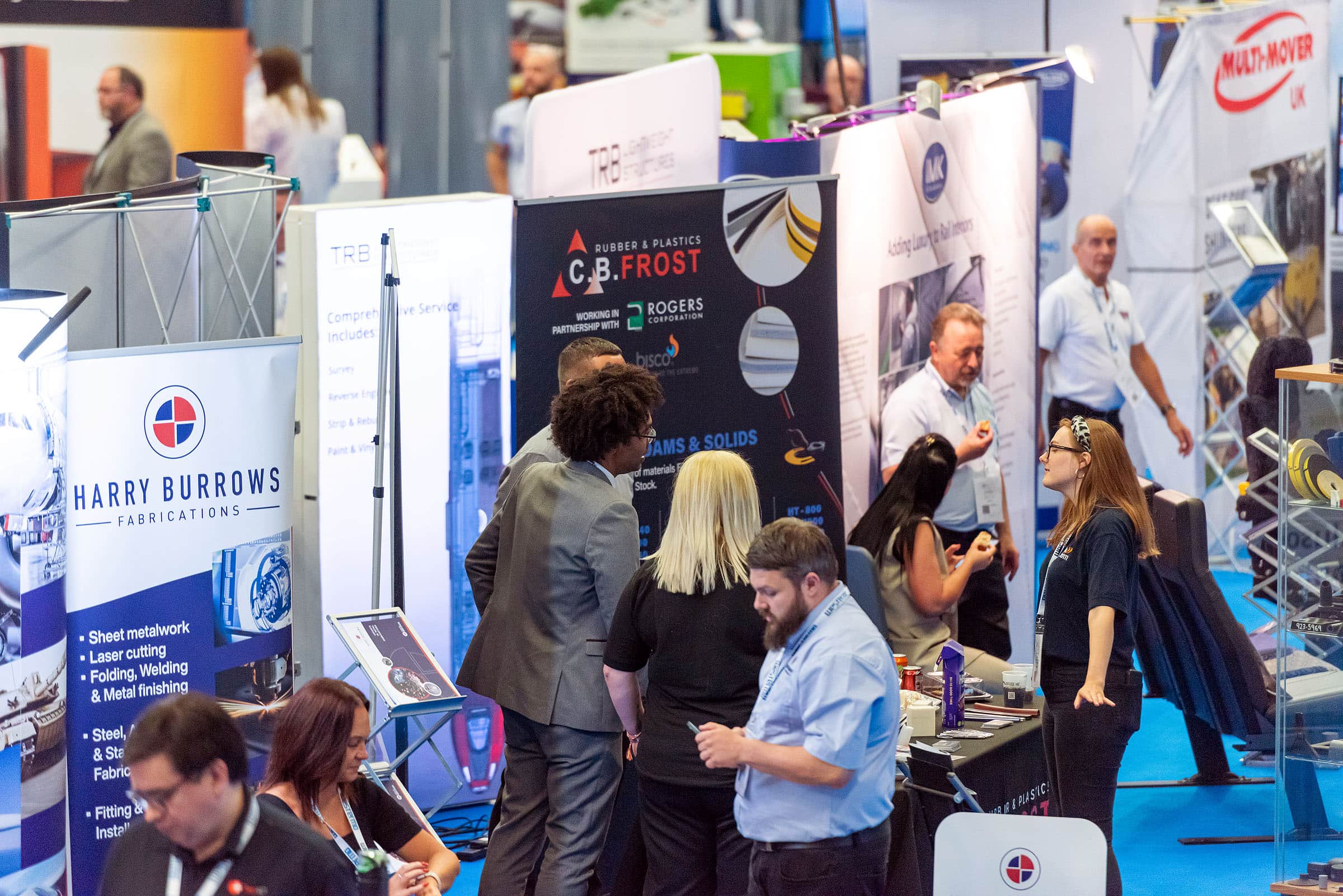
It’s an exciting time for CB Frost as our team gears up for the summer, starting with RSN 2024, which takes place at Derby Arena on 4th July. Now in its fifth year, Rolling Stock Networking (RSN) is the UK’s largest international rail industry exhibition, attracting rolling stock businesses from all over the world. Primarily […]

Whilst we supply and manufacture an extensive range of rubbers and polymers, one of the most frequently requested materials is Neoprene rubber. Neoprene Is the trade name for Polychloroprene rubber or Chloroprene. It is a synthetic rubber material, initially developed as a cost-effective substitute for natural rubber, and is a highly versatile material that is […]

General purpose silicone rubber is a cornerstone of modern manufacturing, relied on for its exceptional performance in everything from consumer goods such as kitchenware, to industrial seals and aerospace engineering. While its incredible resilience is widely known, the reasons behind its superior properties lie in its unique molecular structure. Unlike other elastomers, it’s not a […]

With its unique properties and versatility, silicone rubber has revolutionised numerous industries. From automotive and aerospace to healthcare and electronics, silicone rubber has become a go-to choice for manufacturers seeking a high-performance material. With its exceptional durability, heat resistance, and flexibility, silicone rubber strips, sheet material and gaskets offer a wide range of benefits that […]
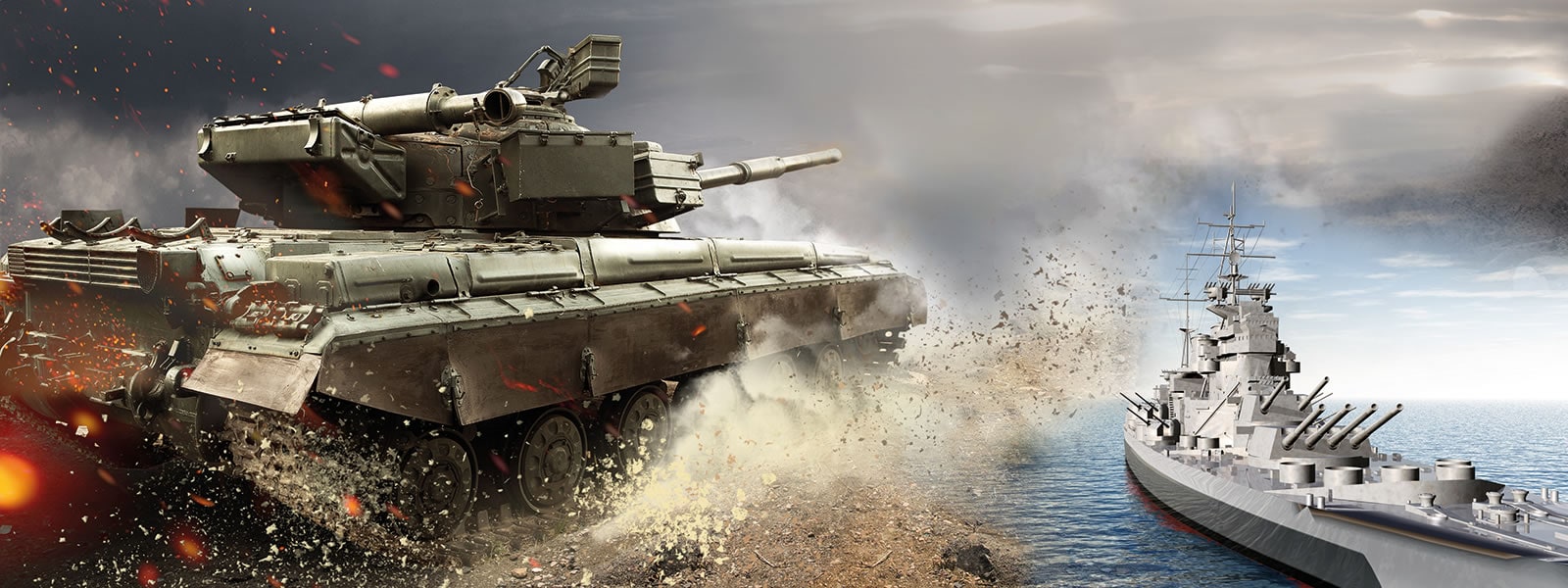
Following months of work, CB Frost has been awarded a £60k defence industry contract from MoD to support the British Army. In 2019, a specific group of OEMs were selected to undertake key parts of the manufacturing process for the MoD’s new Boxer armoured vehicle. In addition to fabricating armoured vehicle structures, they were also […]
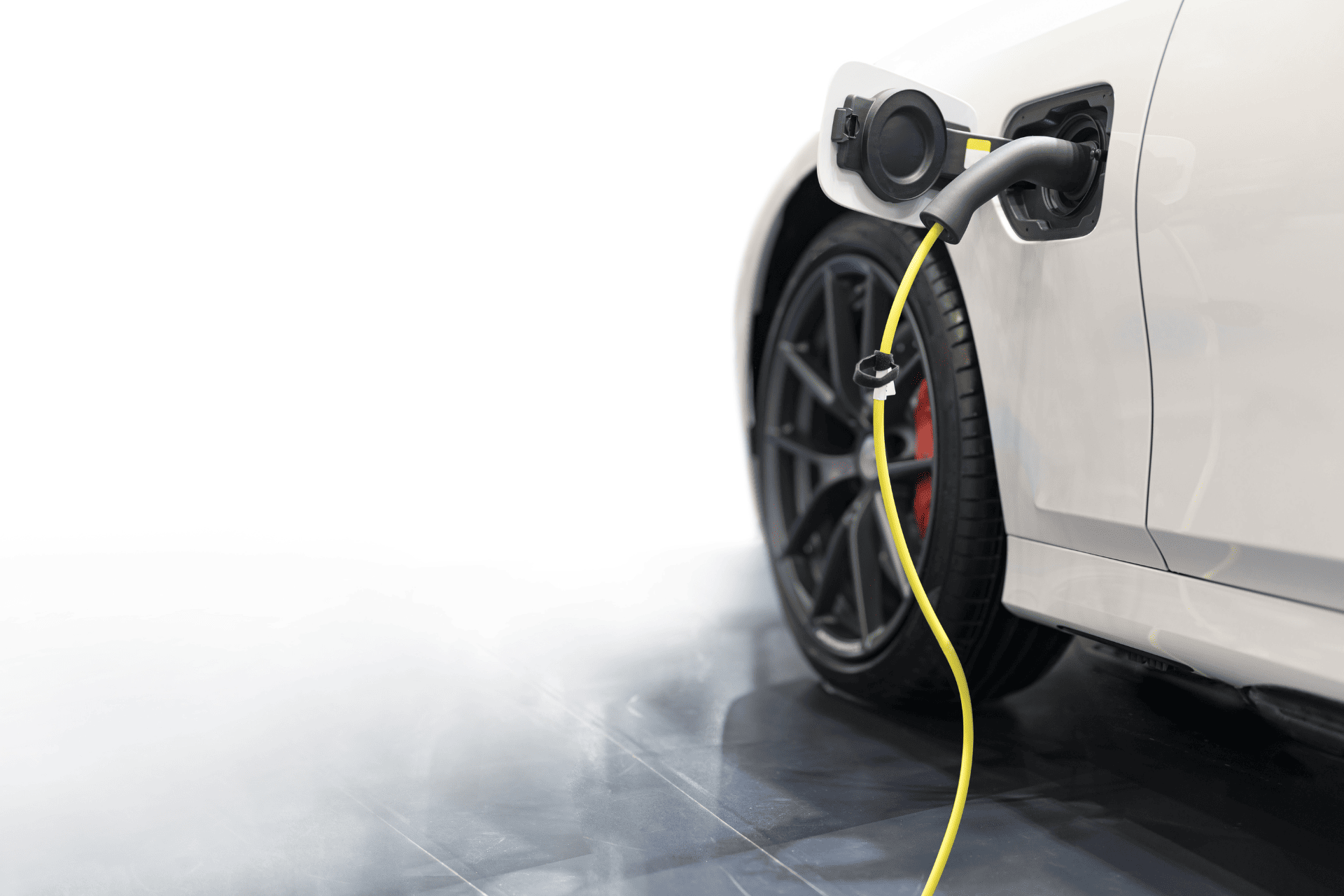
In the rapidly expanding and evolving landscape of electrical vehicles (EVs), one critical aspect that takes centre stage is the thermal management of EV batteries. Teaming up with Rogers’ Corporation, we supply high performance insulation materials to safely manage the temperature of lithium-ion batteries, preventing thermal runaway and propagation. With the government pledging to meet […]

In the rail industry, MF775 silicone rubber isn’t just a material, it’s a critical safety component. The modern rail infrastructure demands materials that are not only durable and high-performing but, most importantly, fire-safe. In the event of a fire, materials used in rail vehicles must limit the spread of flames, smoke, and toxic fumes to […]

In the world of industrial manufacturing and product design, there are certain materials and products that play pivotal roles yet seldom receive the spotlight they deserve. Among these, sponge rubber extrusions stand out as unsung heroes of vibration isolation and noise control in many different industries. Often hidden away in the crevices of machinery, buildings, […]