




Silicone Rubber Strips, Sheets and Gaskets – Pros and Cons
News
November 16, 2023
With its unique properties and versatility, silicone rubber has revolutionised numerous industries. From automotive and aerospace to healthcare and electronics, silicone rubber has become a go-to choice for manufacturers seeking a high-performance material. With its exceptional durability, heat resistance, and flexibility, silicone rubber strips, sheet material and gaskets offer a...

With its unique properties and versatility, silicone rubber has revolutionised numerous industries. From automotive and aerospace to healthcare and electronics, silicone rubber has become a go-to choice for manufacturers seeking a high-performance material. With its exceptional durability, heat resistance, and flexibility, silicone rubber strips, sheet material and gaskets offer a wide range of benefits that make it suitable for diverse applications.

Silicone rubber is an elastomer, formed through a curing process. It starts as a gel-like material consisting of silicone polymers, carbon, hydrogen and oxygen, before it is exposed to a curing process to convert into a solid, rubber-like material. There are different curing systems used, such as platinum-based curing, condensation curing and peroxide curing. The specific curing process used depends on the desired properties of the silicone rubber and the applications it will be used for.
Whilst there are many advantages to selecting silicone rubber, it does have certain limitations for some uses. If you are looking for the right material to choose for a certain application, read on to explore the key characteristics of silicone rubber and its pros and cons for different industrial applications.
Conversion into silicone rubber sheet, silicone rubber strips and gaskets
One of the key advantages of this elastomer is that it can be converted into many different products. In addition to rubber sheet material, silicone sheeting can be cut into silicone rubber strips and gaskets for use in a wide range of applications. In addition to cutting, silicone rubbers can also be moulded, extruded and fabricated to manufacture a range of 3D products.
Excellent sealing capabilities
Silicone is an excellent sealing material as it is extremely flexible, with high tensile strength. Whereas rigid gasket materials can break under repeated stress, silicone rubber maintains excellent elasticity, maintaining its desired shape and continuing to function optimally.
Silicone rubber is not only a highly flexible material, it maintains this characteristic when exposed to a range of different conditions, making it an ideal sealing material. One of its key benefits is that it has very good thermal stability, withstanding temperatures as low as -60℃ and as high as 230℃.
As well as excellent temperature resistance, silicone also performs well under exposure to ozone and UV, and has a high level of resistance to water, along with chemicals and oils. When you consider the above characteristics, it is understandable why it is commonly chosen for use in automotive, aerospace and outdoor applications, where resistance to varying temperatures, environmental exposure and various liquids and chemicals is vital.
FDA and WRAS approved
Silicone rubber is an inert material and can undergo a range of different sterilisation processes, making it an ideal material for medical, food and engineering purposes where sterile conditions are crucial. In addition to being FDA approved for use with food, silicone is also WRAS approved for use with drinking water.
The disadvantages of silicone rubber materials
Whilst silicone is highly versatile due to its many advantages, it does have some limitations. Firstly, whilst highly flexible, some grades of silicone exhibit poor tear strength compared to other elastomers. For applications in abrasive environments, with high levels of mechanical stress, silicone may not be the best suited gasket or sealing material. However, it’s important to consider that advancements in silicone technology have led to the development of grades with higher tear resistance.
Another potential con of choosing silicone is that it can be quite costly compared with natural rubber and other elastomers. Whilst choosing silicone rubber may be costly in large quantities, it’s important to weigh up these costs against the many advantages that the material brings.
Silicone Manufacturers
If you have questions about silicone rubber strips or sheet material, or are seeking advice on material selection, contact our experienced team today. We are here to provide advice on the best materials for each application, along with the best suited manufacturing methods.
Keep up to date with the
latest CB Frost & Co news

As a specialist foam rubber supplier, in addition to providing a wide range of foam rubber sheet materials, we also manufacture an extensive range of foam rubber products, including gaskets, washers, mouldings, extrusions and fabrications to suit applications within a wide range of industries. Let’s discuss the definition of foam rubber, its key advantages, and […]

With the rapid acceleration of the Electric Vehicle (EV) market, we have seen an unprecedented focus on battery technology. At the heart of every EV lies its battery pack, a complex and highly sensitive component that demands robust protection. Ensuring the safety, performance, and longevity of EV batteries relies heavily on effective sealing and cushioning […]

The effectiveness and longevity of rubber mouldings hinge critically on one fundamental decision: the choice of material used. With a vast array of synthetic and natural rubbers available, each with their own unique properties, selecting the right material for your specific application is essential. The wrong choice can lead to premature failure, compromised performance, and […]

In the modern rail industry passenger safety dictates every phase of vehicle design, engineering, and manufacturing. Major structural components, advanced braking mechanisms, and crash-management systems often take the spotlight, but even seemingly minor components within train interiors are absolutely vital for passenger safety during an emergency. One of the most critical, but less talked about […]

Whilst we supply and manufacture an extensive range of rubbers and polymers, one of the most frequently requested materials is Neoprene rubber. Neoprene Is the trade name for Polychloroprene rubber or Chloroprene. It is a synthetic rubber material, initially developed as a cost-effective substitute for natural rubber, and is a highly versatile material that is […]

General purpose silicone rubber is a cornerstone of modern manufacturing, relied on for its exceptional performance in everything from consumer goods such as kitchenware, to industrial seals and aerospace engineering. While its incredible resilience is widely known, the reasons behind its superior properties lie in its unique molecular structure. Unlike other elastomers, it’s not a […]
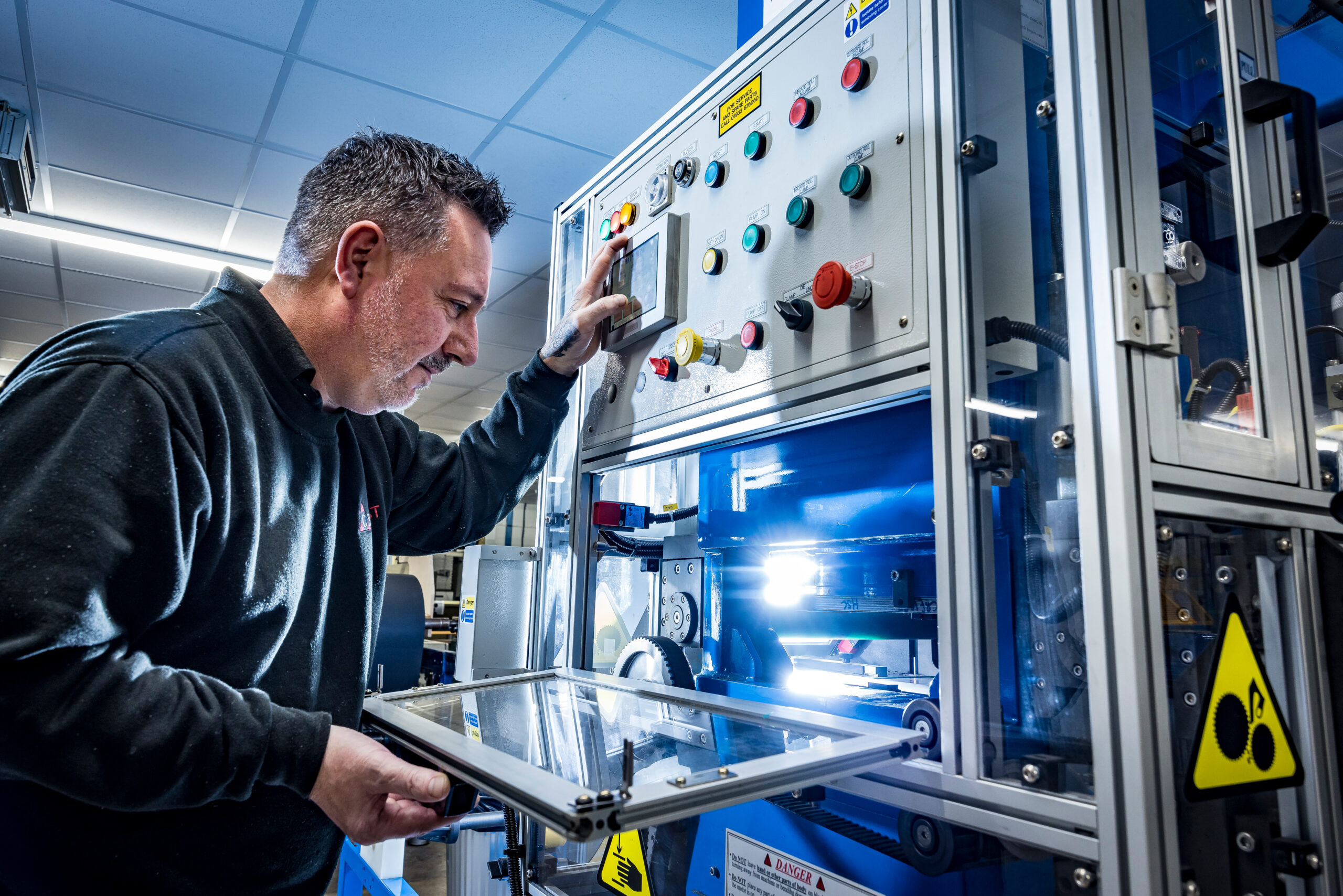
What’s the best choice for your production run? Selecting the right material is critical for manufacturing high-performance seals, but how that material is converted also plays an important role in the quality, cost, and lead times of your project. Whether you are producing solid silicone rubber gaskets for an automotive enclosure or lighting seals, or […]

A refurbishment project often begins with a walkthrough of a decades-old train. The seats may have lost their comfort, or the door seals no longer close tightly. Panels rattle under vibration, and the materials behind them were never designed for today’s safety concerns. Yet the frame is solid, and the operator’s goal is clear: extend […]

At CB Frost & Co, “Quality without compromise” is more than just a catchy tagline—it’s the ethos that has driven our business for over 100 years. A lot has changed since our beginnings in 1921, but our drive to provide the best for our customers has not. Whether we are manufacturing intricate gaskets for the […]