






Which Rubber Gasket Do You Need? Solid or Sponge?
News
May 1, 2026
When sourcing sealing solutions for your next engineering, manufacturing, or construction project, selecting the right material is critical. Make the wrong choice and you risk leaks, environmental damage, or system failure. For buyers and procurement managers, one of the most common dilemmas when specifying a seal is material selection, and...

When sourcing sealing solutions for your next engineering, manufacturing, or construction project, selecting the right material is critical. Make the wrong choice and you risk leaks, environmental damage, or system failure. For buyers and procurement managers, one of the most common dilemmas when specifying a seal is material selection, and deciding between a solid rubber gasket and a compressible sponge gasket.
CB Frost & Co has over 100 years of experience in converting high-performance sponge and rubber materials for applications in practically all industries. To help you make the right choice for your application, we have broken down the core differences in compressibility, gap-filling properties, and high-pressure sealing capabilities.
Solid vs. Sponge
The main difference between choosing solid rubber or soft sponge gaskets comes down to compressibility and pressure.
- Solid rubber gaskets are best for high-pressure sealing between two flat, rigid surfaces. They are highly durable but do not easily compress.
- Sponge gaskets are best used for gap filling, cushioning, and low-closure force sealing applications. Their cellular structure allows them to compress easily and conform to uneven or irregular surfaces.
| Feature | Solid Rubber Gaskets | Sponge Gaskets |
| Compressibility | Very low – the material deflects rather than compresses. | High – the cellular structure allows it to squash easily. |
| Closure Force Required | High – requires significant clamping pressure or heavy metal bolts. | Low – creates an effective seal under minimal compression. |
| Ideal Mating Surface | Perfectly flat and rigid surfaces. | Uneven, irregular, textured, or misaligned surfaces. |
| Key Advantages | Highly durable, extreme high-pressure performance, and superior chemical/liquid resistance. | Excellent gap filling, shock absorption, and vibration dampening without damaging delicate enclosures. |
| Example Applications | Pipe flanges, heavy machinery, high-pressure fluid transfer systems, and heavy automotive components. | HVAC systems, electrical enclosures, lighting fixtures, EV battery compartments, and rail interiors. |
Understanding Solid Rubber Gaskets
High pressure sealing
Solid rubber materials are dense, non-porous, and unyielding. As they lack pockets of trapped air within their structure, they have a very low compressibility. This means that a significant closure force is required to create an effective seal with a solid rubber gasket. Once under this pressure, the material deflects rather than compresses, creating an impenetrable seal against liquids, gases, and environmental elements.
Key advantages:
- Durability: Highly resistant to wear, tear, and abrasion.
- High-pressure performance: A popular choice for heavy duty applications where strong clamping forces are applied.
- Chemical and liquid resistance: Superior at blocking chemicals, oils, and high-pressure water, compared with most sponge materials.
With its sealing capabilities, solid rubber is frequently selected for applications such as pipe flanges, heavy machinery, high pressure fluid transfer systems, and heavy automotive components.
Rubber: MF775 Silicone Rubber, HT200 Silicone Rubber, General Purpose Silicone Rubber, Neoprene Rubber, Nitrile Rubber, Commercial Rubber, Commercial Insertion Rubber, EPDM Rubber, LSLT EPDM Rubber.
Understanding Sponge Gasket
Gap filling and cushioning
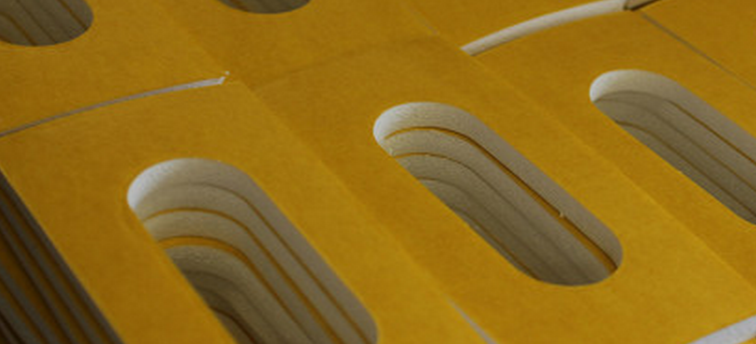
In contrast to solid rubber, sponge materials are developed with an open or closed-cell structure that contains pockets of air or gas. This gives sponge materials their defining characteristic of high compressibility.
As it compresses easily, there is no need to apply extreme pressure to create a seal. The material naturally squashes down to fill empty spaces, sealing irregular surfaces seamlessly and accommodating different tolerances.
Closed-cell sponges are incredibly effective at keeping out dust, moisture, and air, even under minimal compression.
Key advantages:
- Gap filling: Conforms effortlessly to uneven, misaligned or textured surfaces.
- Cushioning and vibration dampening: Absorbs shock, rattles and vibrations, making sponge gaskets ideal for enclosure and delicate electronics.
- Low closure force: Perfect for applications involving lightweight plastics, thin sheet metals, or even glass, where heavy closing pressure would cause damage.
Ideal sealing and cushioning applications for sponge include HVAC systems, electrical enclosures, lighting fixtures, EV/HEV battery compartments, and passenger rail interiors.
Sponge: CBF Sil V0 Silicone Sponge, General Purpose Silicone Sponge, Neoprene Sponge, LSLT Neoprene Sponge, EPDM Sponge, PVC Sponge, Nitto Semi-Closed Sponge.
Solid Rubber or Sponge? A Buyer’s Checklist
When selecting the right gasket material for your unique needs, we always recommend that you ask yourself the following questions about the application:
- What is the clamping force? If your application uses heavy metal bolts, torqued to high pressure, a solid rubber gasket is likely required. If you are using low closures pressure, for example, lightweight hinges or minimal bolting, then opt for a sponge gasket.
- Are the mating surfaces perfectly flat? If the surfaces are perfectly flat, then solid rubber is a good choice. However, if the surfaces are uneven or textured, then the cushioning profile of a sponge gasket may be the more suitable choice.
Partner with the UK’s premier Rubber and Plastics Specialists
Whether your project demands the high pressure resilience of solid rubber gasketing, or the reliable cushioning capabilities of sponge, CB Frost & Co can deliver the right solution. As preferred converters for global brands like Rogers Corporation and Armacell, we have the facilities and expertise to provide tailored, high quality seals and components for the Rail, Automotive, HVAC and Defence industries, as well as practically all other industrial sectors.
Need help specifying the right material for your next gasket production run? Contact the expert team at CB Frost & Co today to discuss your requirements, request a data sheet, or get a quote.
Keep up to date with the
latest CB Frost & Co news

A refurbishment project often begins with a walkthrough of a decades-old train. The seats may have lost their comfort, or the door seals no longer close tightly. Panels rattle under vibration, and the materials behind them were never designed for today’s safety concerns. Yet the frame is solid, and the operator’s goal is clear: extend […]
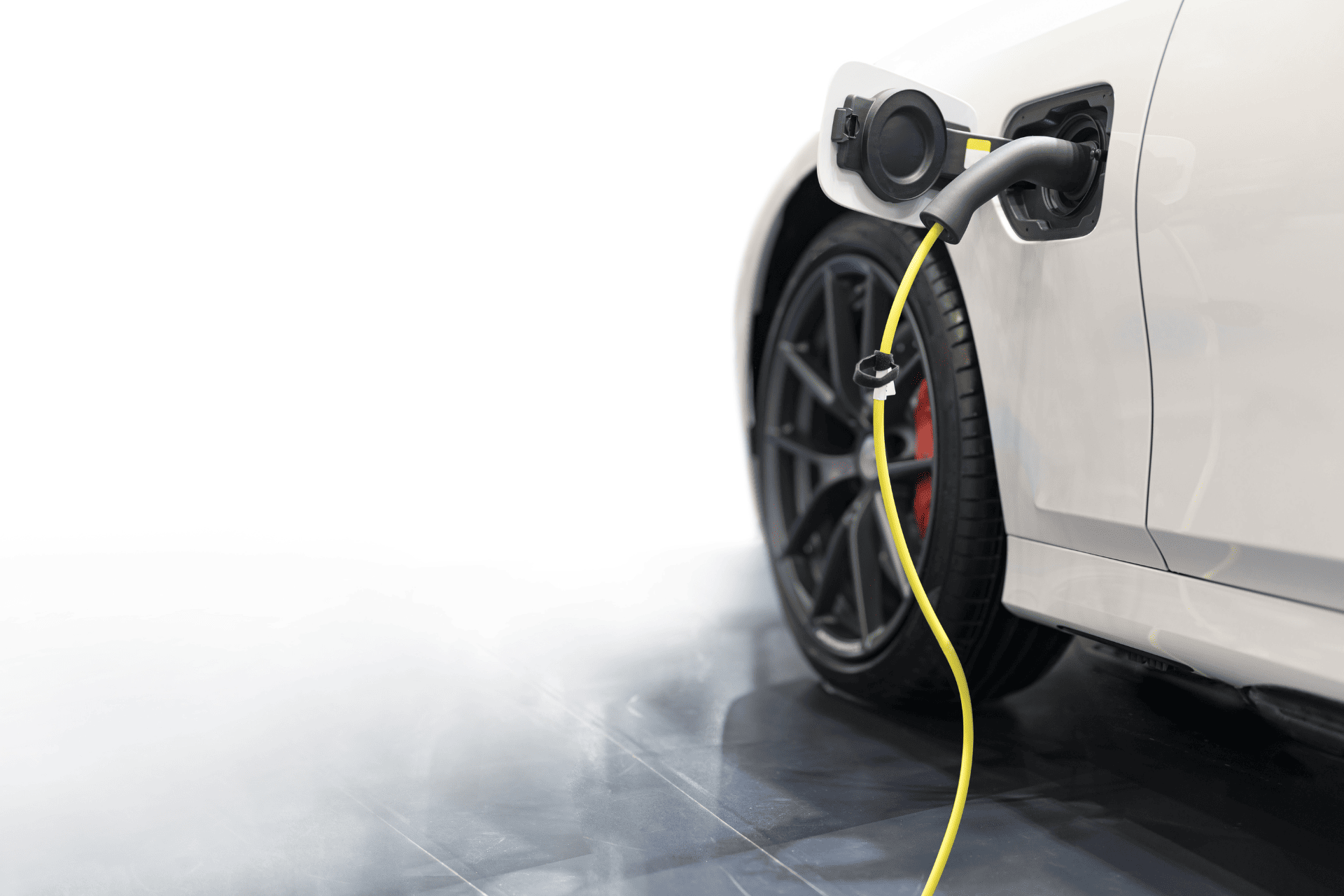
In the rapidly expanding and evolving landscape of electrical vehicles (EVs), one critical aspect that takes centre stage is the thermal management of EV batteries. Teaming up with Rogers’ Corporation, we supply high performance insulation materials to safely manage the temperature of lithium-ion batteries, preventing thermal runaway and propagation. With the government pledging to meet […]

General purpose silicone rubber is a cornerstone of modern manufacturing, relied on for its exceptional performance in everything from consumer goods such as kitchenware, to industrial seals and aerospace engineering. While its incredible resilience is widely known, the reasons behind its superior properties lie in its unique molecular structure. Unlike other elastomers, it’s not a […]
It’s an exciting time for CB Frost as our team gears up for the summer, starting with RSN 2024, which takes place at Derby Arena on 4th July. Now in its fifth year, Rolling Stock Networking (RSN) is the UK’s largest international rail industry exhibition, attracting rolling stock businesses from all over the world. Primarily […]

Having teamed up with Rogers’ Corporation and their range of PORON® polyurethanes and BISCO® silicone materials, CB Frost have entered the fast growing electric vehicles market, manufacturing and supplying a range of EV battery components, including battery compression pads and cushions, anti-vibration pads, enclosure seals, thermal runaway protection and impact protection pads. In order to […]

With the rapid acceleration of the Electric Vehicle (EV) market, we have seen an unprecedented focus on battery technology. At the heart of every EV lies its battery pack, a complex and highly sensitive component that demands robust protection. Ensuring the safety, performance, and longevity of EV batteries relies heavily on effective sealing and cushioning […]

Nitrile rubber, also known as Buna-N or NBR, is a synthetic copolymer of acrylonite (ACN) and butadiene. First developed by a German pharmaceutical conglomerate in 1931, commercial production of nitrile rubber began in 1935 and is now widely used in a range of industries in addition to medical and pharmaceutical, particularly the food, automotive, aerospace, […]

In the rail industry, MF775 silicone rubber isn’t just a material, it’s a critical safety component. The modern rail infrastructure demands materials that are not only durable and high-performing but, most importantly, fire-safe. In the event of a fire, materials used in rail vehicles must limit the spread of flames, smoke, and toxic fumes to […]

At CB Frost, we are always investing in our production processes and introducing new services to benefit our customers. In addition to providing die cutting services to produce gaskets and other products for a wide range of industries, we are pleased to announce that we now manufacture die cutting formes in house. For a number […]