






Rubber Moulding: Injection Moulding or Compression Moulding?
News
October 5, 2022
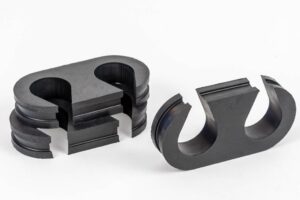
Over the decades, we have gained significant expertise in rubber moulding processes. With our extensive catalogue of materials, we supply moulded rubber parts in a range of commercial materials, along with industry specific grades, ensuring that our customers can choose the best material to suit their application. Our team is...

Over the decades, we have gained significant expertise in rubber moulding processes. With our extensive catalogue of materials, we supply moulded rubber parts in a range of commercial materials, along with industry specific grades, ensuring that our customers can choose the best material to suit their application.
Our team is always on hand to help you select suitable moulding materials to meet industry standards including EN45545-2, and BS6853 fire safety standards for the rail industry, along with other industry standards such as military grade, WRAS and FDA.
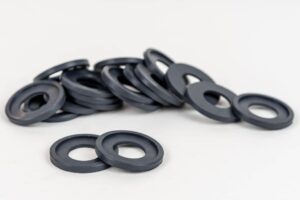
At CB Frost, as experts in the conversion of a wide range of rubber materials and polymers, we also manufacture tooling to suit each application, from prototypes to small batches, or multicavity rubber moulds for large scale and long running schedules. Depending on the customer requirement, we use both injection moulding and compression moulding processes to produce rubber moulded components. As well as helping you to select the best suited materials, we will also advise on the moulding production process that best fits your needs.
Injection Moulding
Injection moulding obtains moulded rubber parts by injecting molten rubber or plastic materials into a metal, hollowed out mould. Once enough of the molten material is injected into the mould, it is then cooled in order to allow the material to set into the intended moulded shape.
There are many advantages to choosing the injection moulding process, including:
- Injection moulding is well suited to producing small and large, simple and intricate parts.
- A wide range of materials can be selected for this moulding process.
- The injection process ensures that the molten material fills the mould evenly to produce extremely consistent results, reducing the likelihood of component failure. A further advantage of this consistency is that rubber mouldings rarely need extra finishing or trimming once they are removed from the mould cavities, making for a highly efficient process.
- Compared with other manufacturing processes, there is very little waste associated with injection moulding, as only the necessary amount of material is injected into rubber moulds.
- Whilst injection moulding can be used for short production runs, it is extremely well suited to long runs as moulded parts can be manufactured in faster cycles than other moulding methods and the process can be automated, allowing for parts to be produced effectively in mass in a short period of time. Thousands of parts can be moulded before tools require maintenance or replacement.
Needless to say, whilst there are many advantages to injection moulding, factors such as tooling cost and the design of moulded components must be considered.
Compression Moulding
The compression moulding process works by placing pre-weighed raw rubber or plastic materials into the moulding cavities of a pre-heated tool (mould). Once the desired quantity of raw material is added to the cavities of the mould, it can then be closed so that heat and pressure can be applied in order to start the moulding process. Once the rubber mouldings are set (cured), the mould can be opened and the part removed.
Some of the key advantages of compression moulding include:
- As the compression moulding process is simpler than injection moulding, the tooling is less complicated and therefore, lower in cost and can be manufactured from lower cost grades of aluminium or steel, providing they can withstand the pressure of the compression moulding process.
- As a result of cheaper tooling, compression moulding is useful for shorter production runs and for prototyping where injection moulding may not be as cost effective.
- If you are in need of a moulding process to produce large, bulky moulded parts, then compression moulding is ideal. As the raw materials are loaded directly into the mould cavity, there is less limit to the weight of the part that can be manufactured.
When considering compression moulding, whilst there are many benefits, you may find that this is not the best suited process if you are seeking to reduce waste and labour cost, require fast processes for long production runs, or wish to manufacture complex moulded parts.
Rubber Moulding Advice
To ensure you make the right choices when choosing the best suited materials and processes for creating rubber mouldings to meet your specifications, contact our expert team today. As suppliers and converters of an extensive list of material grades, with experience in manufacturing parts for customers in many industries, we can help you make the right decisions.
Call us on 0121 773 8494 to talk about your moulding needs.
Keep up to date with the
latest CB Frost & Co news

Known for its durability, flexibility, and resistance to environmental factors such as water, chemicals, and temperature extremes, neoprene is a widely used synthetic rubber material. When selecting neoprene for industrial applications, one key decision to be made is whether to use solid neoprene rubber or neoprene sponge sheeting. While both materials offer highly effective sealing […]

Nitrile rubber, also known as Buna-N or NBR, is a synthetic copolymer of acrylonite (ACN) and butadiene. First developed by a German pharmaceutical conglomerate in 1931, commercial production of nitrile rubber began in 1935 and is now widely used in a range of industries in addition to medical and pharmaceutical, particularly the food, automotive, aerospace, […]

At CB Frost & Co, we don’t believe in waiting around when a great opportunity knocks. That is exactly why we signed on the dotted line to secure our exhibition stand for Rolling Stock Networking (RSN) 2026 soon after last year’s event. This year’s RSN event takes place at Derby Arena on Thursday, 2nd July. […]
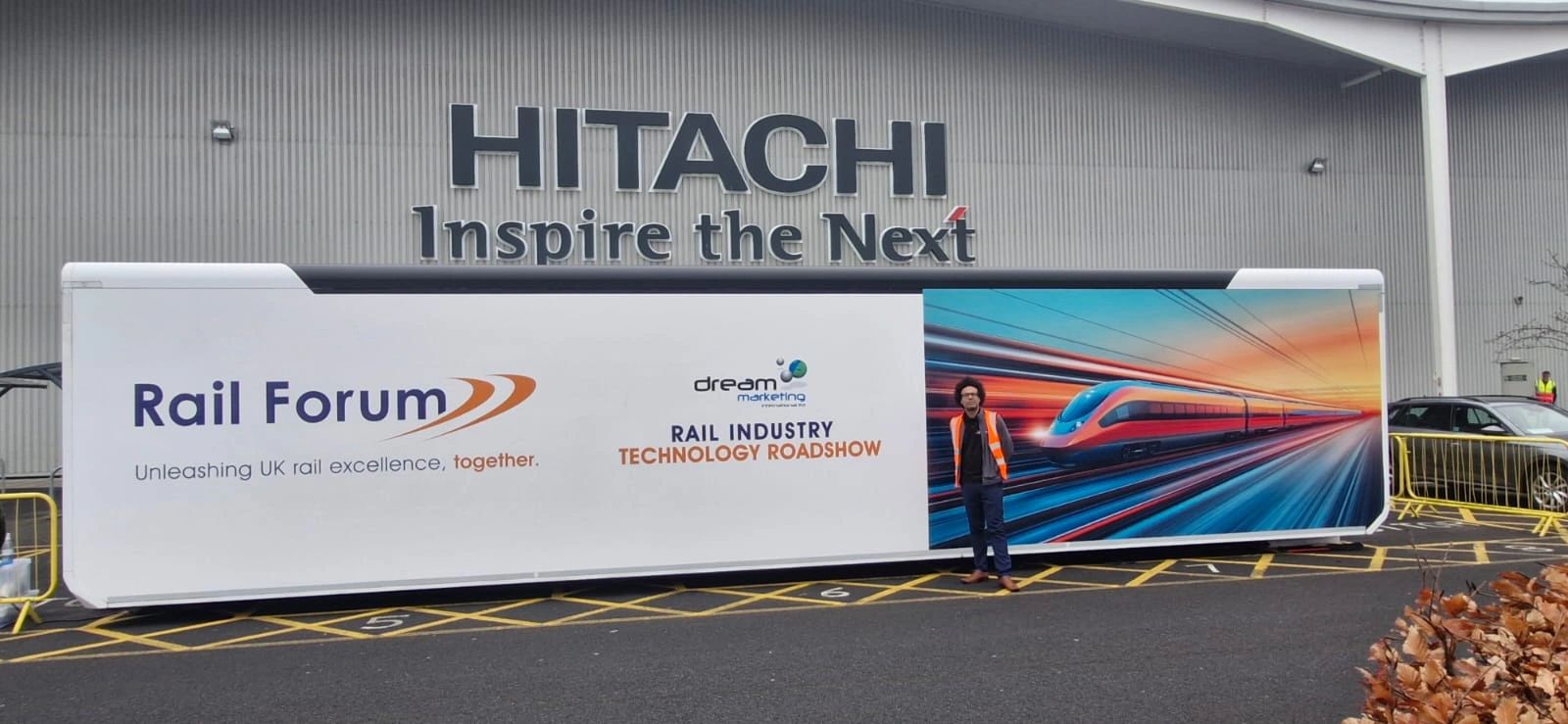
The rumble of rail industry innovation echoed around the UK this March, as the Rail Forum Rail Industry Technology Roadshow took to the roads. Spanning eight busy days, from the 10th to the 21st March, this one-of-a-kind event brought cutting-edge rail solutions directly to the heart of the industry, thanks to a state-of-the-art trailer, transformed […]
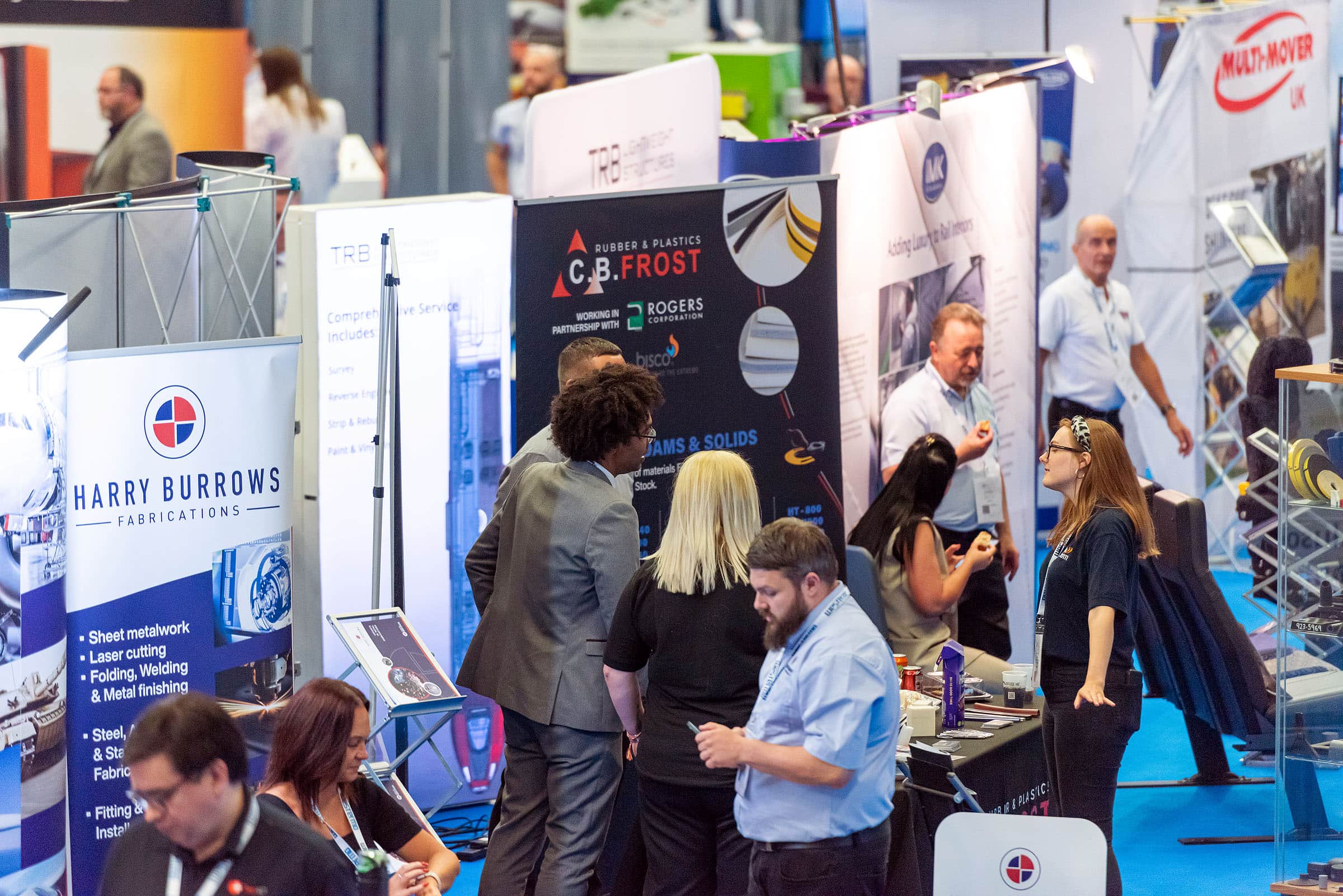
It’s an exciting time for CB Frost as our team gears up for the summer, starting with RSN 2024, which takes place at Derby Arena on 4th July. Now in its fifth year, Rolling Stock Networking (RSN) is the UK’s largest international rail industry exhibition, attracting rolling stock businesses from all over the world. Primarily […]

It is set to be another busy summer for CB Frost, starting with the 2025 Rolling Stock Networking Rail Show. Taking place at Derby Arena on the 3rd July 2025, RSN is the UK’s biggest international rail industry trade show and conference. With last year’s event being the best yet, we made sure we were […]

In the world of sealing solutions, rubber gaskets stand as stalwart defenders against leaks, environmental factors, and mechanical stresses. Their flexibility, resilience, and reliability make them indispensable components across a wide spectrum of industries, from automotive to aerospace, manufacturing to medicine and everything in between. Yet, even the most robust rubber gasket can face challenges […]
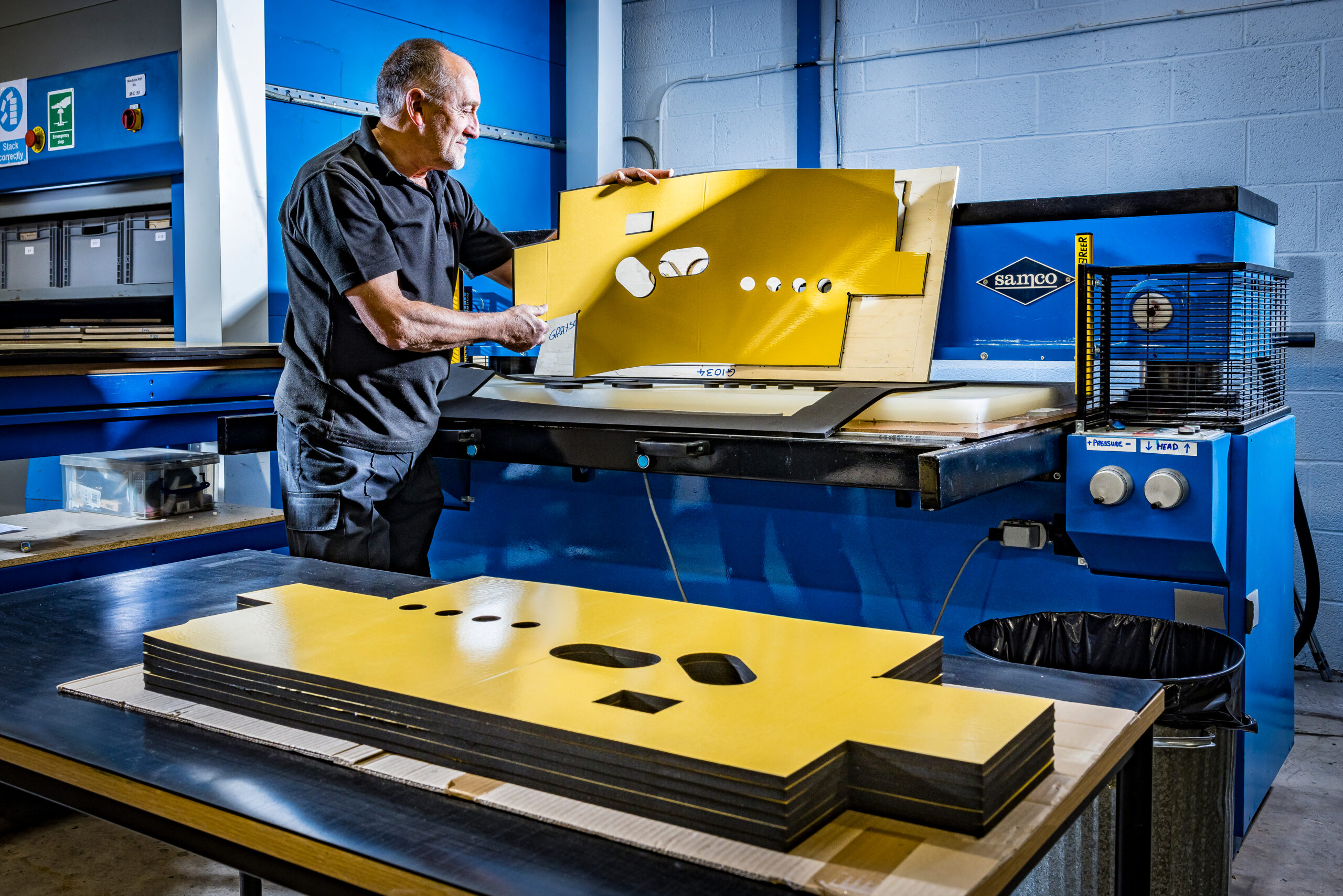
In high-volume manufacturing and assembly environments, the old cliche that time is money is completely true. Every minute saved on the production line translates directly into increased profitability and efficiency. While silicone sponge gaskets are already recognised for their superior sealing, temperature resistance, and durability, adding an adhesive backing transforms them from high-performance components into […]

With its unique properties and versatility, silicone rubber has revolutionised numerous industries. From automotive and aerospace to healthcare and electronics, silicone rubber has become a go-to choice for manufacturers seeking a high-performance material. With its exceptional durability, heat resistance, and flexibility, silicone rubber strips, sheet material and gaskets offer a wide range of benefits that […]