
Sections

Latest News

News 4 Aug 2026

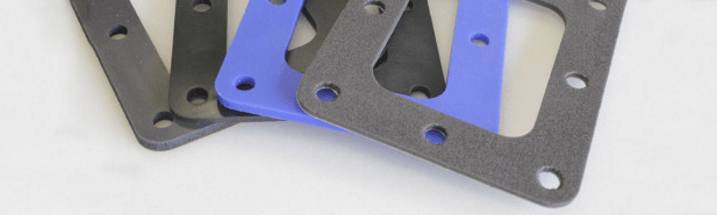
Die-Cut vs. Waterjet Cut Silicone Gaskets

What’s the best choice for your production run? Selecting the right material is critical for manufacturing high-performance seals, but how...

News 23 Jun 2026

Rolling Stock Networking: Connect with CB Frost at RSN 2026

At CB Frost & Co, we don’t believe in waiting around when a great opportunity knocks. That is exactly why...

Cellular Silicones and the Lighting Industry

There a lot of different points to consider when designing lighting. Whilst choosing the right lighting and electrical components is no doubt essential, these parts are irrelevant without the right sealing and enclosure materials to protect them. Choosing lighting sealing materials that lack the necessary qualities and properties could lead to a number of problems with lighting components, including the potential for costly failure.

Amongst the biggest threats of failure to lighting components are dust, moisture and other foreign bodies – inevitably the threat of these is much increased for outdoor lighting applications. As a result, as well as providing excellent sealing properties to prevent the ingress of dust and moisture into the inner workings of lights, sealing materials must also be able to retain sealing properties when faced with the effects of outdoor use.

Generally speaking, the best suited materials for a lighting seal should provide the following qualities:

  • Sealing effectiveness
  • Compressibility – lighting seals should have excellent compression sets
  • Environmental exposure – resistance to UV, ozone, fire and wind driven rain, as well as extreme temperatures
  • Non-fogging capability – seals should prevent fog inside the lighting enclosure when subjected to differing temperatures

Cellular Silicones tick all of these boxes and so are well suited for use as lighting seals. BISCO Cellular Silicones including BF1000, BF2000 and HT800 are often used for sealing and protecting lighting enclosures, as well as other electronics and outdoor communications applications in an outdoor environment. With high compressibility characteristics and resistance to UV, ozone, extreme temperatures and fire, BISCO Cellular Silicones allow for a consistently effective performance in all environments.

Sealing materials for lighting in the rail industry

HT800 is a BISCO specialist rail material that provides a prime sealing material for lighting enclosures and components. Its compression set is excellent, helping to reduce maintenance costs that are often linked with gasket or seal failure, whilst it’s resistance to weathering is also extremely good. In addition to these properties, HT800 features a unique and compact cell structure that provides a much enhanced sealing performance in resisting penetration of fine particles and wind-driven rain that are encountered in exterior train lighting components.

HT800 Silicone sponge is UL94 flammability approved to V-0 and HF-1, and compliant with BS6853 and EN45545 fire safety regulations. As a result of the suitability of this material for applications within the rail sector, HT800 is also LUL (London Underground) approved for use in internal and external lighting systems in the London Underground rail system.

For assistance in finding the right sealing material for your lighting application, please call +44 (0)121 773 8494. To learn more about BISCO Silicone and PORON Urethane for lighting seals, click here.

Your Questions about Injection Moulding Answered | Bespoke Rubber Mouldings

As specialists in the manufacture of rubber components, we have many years of experience in producing and supplying bespoke rubber mouldings for use in a vast range of different industries. With our in-house capability, we can choose from a number of different process in order to achieve the ideal results to suit customer requirements, including compression moulding, transfer moulding and rubber injection moulding.

All rubber moulding processes share some principles, for example, all moulded parts start as raw rubber compound, before being subjected to heat and formed into the required shape. Compared to compression moulding, injection moulding is a more complicated process.

The injection moulding process

Rather than simply placing rubber material into a heated mould as is the case in the compression moulding process, raw rubber pellets are instead fed through a heated barrel and pushed through an injection nozzle as a molten liquid until the moulding cavities are full. Similarly to other moulding processes, the rubber material is then subjected to considerable pressure to form the intended shape. The parts can then be cooled and removed from the mould.

The key advantages of injection moulding

Injection moulding is a commonly used process as it is ideally suited to producing small and large parts, as well as very intricate mouldings. Some of the biggest benefits of this process include:

  • Parts can be produced with much quicker cycle times than through other moulding processes.
  • There is little rubber waste as only the required amount of material is injected into the mould.
  • The raw rubber is preheated and molten before it is fed into the cavities of the mould, so the viscosity of the material is decreased and it flows more effectively to fill the mould evenly.
  • This process produces very consistent results, so it is very beneficial for creating reliable parts.
  • There is rarely a need for finishing once the rubber mouldings are removed from the mould cavities – there’s no need to trim down edges or remove excess material.
  • Injection moulding can be an automated process, so parts can be mass-produced very effectively.

Potential downsides of the process

As is the case with practically any manufacturing process, there are some situations for which injection moulding isn’t ideal. When compared with some other moulding processes, the up-front costs can be quite high as a result of tooling requirements. If moulding requirements are very high in volume, it’s essential to get the design right before starting full production. To achieve this, designing, prototyping and the refining of moulding tools is carried out before mass-production can commence.

If customer requirements are to keep costs as low as possible and to meet fast lead times, then injection moulding is not usually the best suited process, however, for complex designs and uniform quality, it is a technology well worth investing in.

For more information on rubber moulding processes, or for advice on the best materials and technologies for your bespoke rubber mouldings requirements, please contact our team on +44 (0)121 773 8494 or email [email protected].

Gaskets are set to be in Great Demand throughout the Next Decade

There is great news for the rubber and plastics manufacturing industry as demand for non-metallic gaskets and seals are predicted to be in steadily increasing demand between 2016 and 2026. According to a report published by Future Market Insights, in 2016 more than 60 billion US dollars’ worth of gaskets were sold around the world, and it’s predicted that revenues will reach more than 100 billion US dollars by the end of 2026 – a compound annual growth rate of 5.4%.

Why this growth?

Manufacturing processes across all industrial sectors rely upon the efficiency of their engineering equipment and the manufacturing systems that are in place. This means that it’s essential to choose the right materials and components to ensure that manufacturing processes go as smoothly as possible.

Gaskets are devices that are designed to connect different surfaces and systems, acting as a seal, so any gasket failure could potentially create a number of serious losses in terms of labour, materials, sales and even adversely impact the environment in some instances.

To help cut down costs in the long term and prevent future issues, manufacturers are seeking gasket materials with the best mechanical, chemical and durable characteristics, ensuring that gasket failure is much reduced. As specialists in gasket manufacture, CB Frost are able to respond quickly to customer demands. With over 90 years of rubber and plastics industry experience and a commitment to staying ahead of the game, we regularly produce new types of gaskets and seals, making use of a wide variety of different materials to suit requirements.

With this level of customisation available in the market for gaskets, it’s no surprise that demand is set to continually increase in the near future.

Our manufacturing capabilities

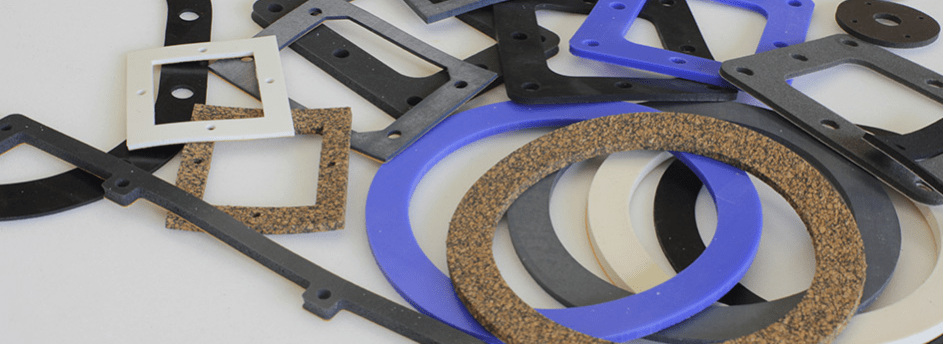
CB Frost can manufacture gaskets of all shapes and sizes in house, from an extensive list of materials. Our experts are able to work with customers to identify which materials are best suited to their gasket requirements. Gaskets can be supplied in any shape and size, from simple shapes, to complex designs with holes, cut-outs, radius and angled corners, in a considerable range of thicknesses (subject to material).

To learn more about our extensive range of materials, including our range of specialist rail industry silicones, or to discuss your gasket requirements with us, please call CB Frost on +44 (0)121 773 8494.

CB Frost Keeping Railway Industry Fire Safety Standards on Track

When it comes to choosing the right materials for use in the rail industry, in addition to functionality and durability, safety is one of the most important factors to take into account. Fire safety in particular must be carefully considered. Fire safety for rail materials rests on choosing materials that not only limit the development and movement of fire, but also produce low levels of smoke and toxic fumes should there be a fire. It’s therefore important that rail materials pass standard industry tests to prove their fire safety.

In Britain, there are a number of recommended rail industry standards that sealing and gasket materials should meet, including BS6853:1999, EN45545 and NFF-16-101 for fire safety and the LUL (London Underground) safety standards.

CB Frost rail materials EN45545

In the future, regulations for fire safety in rolling rail stock are to become stricter. From 2018 onwards, EN45545 fire safety tested materials will be mandatory throughout Europe. This standard will require almost everything weighing more than 100 grams on a rail vehicle to be tested rigorously for fire safety. This means that any manufacturer involved in building rail carriages will be affected:

  • Door seals
  • Lighting enclosure gaskets
  • Smoke seals
  • HVAC seals
  • Gap fillers
  • Seating cushions and upholstery
  • Vibration isolation
  • Acoustic barriers
  • Lighting and LCD display gaskets

CB Frost Rail Sector Materials

Our range of BISCO® cellular silicones comply with the most stringent industry requirements for fire, smoke and toxic fumes, and are suitable for use in extreme temperatures, both low and high. Our cellular silicone rail materials meet BS6853:1999, EN45545, NFF-16-101 and London Underground safety standards.

Available rail materials include:

  • BF1000 silicone foam
  • BF2000 silicone foam
  • HT800 silicone sponge
  • MF1 silicone foam
  • MF775 silicone rubber

To learn more about our range of materials, please click here.

As specialist suppliers of materials for the rail industry, we pride ourselves on our extensive range of materials to suit different applications, as well as our excellent technical knowledge to help you find the best suited material for your rail industry requirements. Understandably, fire safety standards will continue to be revised and amended – you can be confident that CB Frost will always stay ahead of the game to provide compliant materials.

CB Frost should be your first point of call for all your specialist rail industry needs. Call our friendly and knowledgeable team today on +44 (0) 121 773 8494.

CB Frost and the Chernobyl New Safe Confinement Project

In the long history of CB Frost, one of the most notable projects we have been involved in has been the Chernobyl New Safe Confinement.  This is the new arch-shaped shelter intended to contain the ruins of the Number 4 unit at the Chernobyl Nuclear Power Plant that was destroyed during the Chernobyl disaster on the 26th April 1986.

silicone sponge

The New Safe Confinement project was originally supposed to be completed in in 2005, but following a number of lengthy delays, steel construction begun in April 2012 and the planned completion date of the 36,000 tonne structure is expected to be in November this year. Once fully erected, the huge arch will then be used to accommodate the future dismantling of the original shelter.

silicone sponge

CB Frost were tasked to supply a sealing material to prevent the escape of radioactive dust from within the arch and stop air moisture from entering the shelter. As the materials used will take into account the safety of workers, it was essential that we provided a material with the necessary specifications. Silicone sponge (CF19) and BISCO® HT800 Silicone sponge were found to be the best suited material for this sealing application as a result of the following properties:

  • Excellent resistance to ozone and UV light
  • A high resistance to extreme temperatures, both low and high
  • Excellent fire resistance properties
  • A stable compression and defection along with good compression set
  • It does not support microbiological growth

To ensure the safety of workers and to prevent internal steelwork from rusting, the arch’s interior roof must be completely airtight. Inside the enormous structure, powerful fans will suck in air from outside, which is then channelled through massive dehumidifiers to remove moisture. The resulting dry air will then be blown through 3km of aluminium ducts into every corner of the enclosed space created by the new arch.

silicone sponge

Under normal circumstances, the steelworks inside the shelter would require painting around every 12 years to prevent rust. Due to the radiation inside the shelter, this would not be possible, however, by preventing the ingress of moisture in the air, the steel will not be affected by weathering. To ensure the airtightness of the interior roof, CB Frost Silicone Rubber materials are used as a seal between junctions and mating panels.

silicone sponge

Of course, a material that is suitable for use in the New Safe Confinement project is also well suited for use in a wide range of industrial applications. At CB Frost, we can provide a number of Silicone rubber and sponge materials, including MF775 solid silicone rubber, a high performance rail material. Silicone materials can be supplied in roll or sheet form, cut into gaskets or washers, moulded or extruded.

To find out more about the benefits of Silicone Rubber, or for advice in finding the ideal material for your application, you can call our experienced team on +44 (0)121 773 8494.

4 Key Reasons to Use Silicone Rubber

Discovered in the 1800s, solid silicone rubber is a highly versatile material for use in a wide variety of different applications. Its resilience and durability make it an ideal material choice for a number of industrial sectors and it can be provided as sheet material, moulded, extruded, or cut to into gaskets or solid silicone rubber strip to suit a particular purpose.

There are few different reasons why solid silicone rubber is so commonly used, for example:

It’s highly resistant to weathering

Silicone rubber is well suited to outdoor applications due to its superior resistance to even the most extreme environments. Ozone, UV and wind driven rain have no effect on certain grades of silicone rubber, so it performs extremely well in outdoor environments. Even when used in sub-zero temperatures, or on the hottest days of summer, weathering shows no effect on the material.

It has a very wide temperature resistance

Many grades of are able to withstand extreme temperatures, both low and high. For example, MF775 can resist temperatures of between -55°C and 250°C. When designing any product, it’s always vital to think about how temperature would affect the product; whether it will continue to serve its function and whether it will continue to be safe.

Silicone rubber is fire safe

MF775 solid silicone rubber and other silicone materials are fire safety compliant to BS6853, EN45545 and NFF16-101. They do not degrade when they come into contact with fire – even when coming into contact with extremely hot items, the material keeps its shape. This means that silicone rubbers provide an ideal insulation material to prevent the spread of fire. MF775 is widely used in the rail industry, often as a gap filler and insulation material.

In many cases, smoke that is created as a result of a fire is just as dangerous to people, if not more. Some insulation materials can produce toxic gas when exposed to fire, however, this is not the case with silicone rubber. Low smoke toxicity is a key element of fire safety compliance and silicone rubber materials help to prevent the spread of smoke without creating any other dangerous chemicals when exposed to fire.

It has great versatility of shape

Silicone rubber can be formed into practically any shape to suit its intended purpose. As well as being supplied in rolls or sheets, it can be cut to solid silicone rubber strip, backed with adhesive to form tape, cut to gaskets, extruded or even moulded to produce highly complex shapes for any industry.

MF775 is used for a number of purposes within the rail industry as a result of this versatility. For example, as well as being utilised for gap fillers, MF775 is also commonly used in LCD displays, lighting enclosures and floor packers, amongst other purposes.

For more information on silicone rubber, or for assistance in choosing the right material to meet your required specifications, call our experienced team today on +44 (0)121 773 8494, or leave us a message via our website.

EN 45545 Compliant Materials for the Rail Sector

As well as meeting the needs of the modern engineering industry in terms of performance and longevity, safety compliance is essential when choosing specialist insulation materials for the rail industry. At CB Frost, our entire range of rail materials stringently meet all industry requirements for fire, smoke and toxic fumes to increase safety in the event of a fire on-board. All rail insulation materials must be EN 45545 compliant, meeting the European standard for fire protection on railway vehicles. To comply with EN 45545, materials must behave in a certain manner when exposed to fire:

  • Flame retardant – EN 45545 compliant materials must be flame retardant so that in the case of a fire, insulation materials successfully help to prevent the fire from spreading, providing more time for rail carriages to be safely evacuated.HT800 silicone sponge strip to EN 45545 is commonly used in door seals for rail carriages as its excellent sealing performance is resistant to fire and high temperatures.
  • Low smoke – EN 45545 compliant rail materials must also feature low smoke emissions in order to help prevent the penetration of smoke. Making sure that smoke density is as low as possible is vital for allowing train staff and passengers to escape the carriage and be rescued as quickly as possible without the dangers of smoke inhalation.HT800 silicone sponge, BF1000 silicone foam and BF2000 silicone foam are EN 45545 low smoke compliant and provide an effective seal for HVAC systems within train carriages. As they have a high temperature resistance and prevent the penetration of smoke, these materials effectively help to prevent the spread of smoke through train carriages.
  • Low toxicity – Many standard insulation materials can create extremely hazardous toxic gas. On the other hand, EN 45545 complaint specialist rail materials are formulated to provide low toxicity properties so that train line staff and passengers will be exposed to an absolute minimal amount of smoke.

To learn more about our range of rail industry compliant materials, visit our rail sector page or call today on +44 (0)121 773 8494 to speak to our knowledgeable sales team.

Rubber Mouldings – Compression, Transfer and Injection Moulding

As specialist rubber manufacturers, we have been supplying rubber mouldings for a range of industries for many years, including automotive, construction, electrical enclosures, heating/HVAC, lighting, medical, the MOD and the rail and mass transit industry. With our vast experience and manufacturing capabilities, we ensure that all moulded rubber products are matched to the customer’s requirements to provide the ideal mouldings for the specified applications. We commonly supply rubber mouldings for use as door and window seals, vibration mounts for vehicles, and lighting seals to prevent the ingress of dust, moisture and weather conditions.

rubber mouldings

At CB Frost, we utilise three main manufacturing methods for supplying rubber mouldings; compression moulding, transfer moulding and injection moulding. Using our state of the art tooling, we can produce mouldings for all levels of production, from small batches to high volume. We always work to make sure production is as fast as possible for the convenience of our customers.

Compression moulding

Compression moulding is well suited for producing both large and intricate parts. As it creates a minimal amount of waste material, it’s also one of the lowest cost methods for producing rubber mouldings. The manufacturing process requires raw rubber compound to be inserted into the pre-heated cavities of a compression moulding tool.

The rubber material is weighed before moulding to make sure the right amount is used. The mould can then be closed and heat and pressure is applied to the raw materials, allowing them to form the desired shape by filling the moulding cavity.

rubber mouldings

Transfer moulding

In the transfer moulding method, rather than being placed directly into the moulding cavity, the raw rubber compound is inserted into the tool’s transfer pot, located between the top plate of the moulding tool and a plunger. When the mould is closed, the raw material is compressed by the plunger, moving through sprues into the moulding cavity.

The transfer method of moulding provides an economical process for medium to high precision products, but it does create more waste than the compression moulding method. However, excess rubber can be recycled where possible.

rubber mouldings

Injection moulding

Injection moulding is a more complicated process than compression or transfer moulding and can be used to produce both very small and intricate parts and large products. In this process, uncured raw rubber is fed into the machine using a screw feeder system that transfers the exact amount of material into a heated barrel so that it can slowly be pushed through an injection nozzle to travel through a runner system to fill the moulding cavities. The rubber material is placed under considerable pressure to create the required shape.

If you are unsure about which rubber moulding technique would be best suited for your application, our sales team are available to advise you on the best manufacturing processes and materials for your project. For more information on rubber mouldings, please contact us on +44 (0)121 773 8494 or email [email protected].

Class O Sponge Strip for Access Flooring

Access flooring is widely used in modern office buildings throughout the world, providing a raised platform so that cables, wiring and electrical supply can easily be routed in a room where multiple connectivity points are needed. As well as offices, access flooring is also used in more specialised areas, for example, IT data centres and command centres.

In data centres and server rooms, access flooring also provides the opportunity to use underfloor air distribution as a means of cooling the area. The chamber created by the risen floor provides a void to distribute conditioned air through perforated tiles that are traditionally placed below computers to direct air to them.

Class O sponge strip to BS476 part 7

As a specialist rubber and plastics manufacturer, CB Frost supply insulation strips for access flooring. Class O sponge strip is used around the full perimeter of an access floor space to protect against condensation and moisture that could damage cables and wiring, but also to help prevent energy loss in underfloor ventilation and air conditioning systems.

Class O sponge to BS476

Class O is a highly flexible, closed-cell PVC/Nitrile insulation sponge material and will conform to BS476 Part 7, the British Standard building requirement for preventing the surface spread of flame.

At CB Frost, we can cut Class O sponge to strip form in-house from stock sheet material. At 20mm wide x 9mm thick, Class O sponge strip provides a highly effective material for access flooring. For the benefit of access flooring installers, we adhesive back the class O PVC/ Nitrile sponge strip with high performance adhesives on one side so that it can be applied to the perimeter of the whole floor space with ease.

We can supply sponge, foam and rubber strips in a wide variety of materials and grades to suit a range of applications. Using our in-house facilities, we can cut strip to your specific width requirements.

For more information on Class O sponge strip or any other strip material, please call CB Frost on +44 (0)121 773 8494. Our experienced team will be happy to assist.

Choosing the Right Gasket Material to Stand Up To the Elements

There are always a lot of different factors to consider when deciding on the right gasket material for your application to ensure the best possible performance, as well as longevity. One of the key considerations is where the gasket will be located, for example, will it be used as a weather seal to prevent the ingress of the elements?

In this case, it’s essential to choose a highly weather resistant material – consider all of the elements that could impact the effectiveness of your gasket. At different times of the year, gasket material could be faced with rain, hail, sleet and snow, as well as contact with direct sunlight, low and high temperatures and ozone.

How the weather can effect unsuitable gasket materials

In the colder months of the year, gaskets and weather seals are likely to encounter very low temperatures that can be very damaging to materials that don’t have the right resistance characteristics. Freezing temperatures can cause some materials to become brittle and crack. In other cases, gaskets that have been frozen are much likely to fail as temperatures increase. As the temperatures gets higher, gaskets that have been expanded and stiffened by cold temperatures are more likely to leak.

Continued exposure to high temperatures and UV light can also have a very damaging effect on non-weather resistant materials.

Weather resistant gasket materials

At CB Frost, we keep a wide range of weather resistant gasket materials in stock and can cut gaskets to size in-house from rolls or sheets. A number of rubber, sponge and foam materials are well suited for outdoor use and weather sealing applications:

HT800 Silicone spongeHT800 is widely used in the rail industry and is a highly versatile material. It is often used to protect against moisture, wind driven rain, dust and fire in outdoor communications, electronic and lighting applications. Due to excellent weather resistant properties, the performance of HT800 stays consistent in any environment. Other rail materials, such as BF1000 and BF2000 Silicones are also well suited to outdoor applications as they have a high level of resistance to UV light, ozone, extreme temperatures and flame.

HT800

Solid Neoprene rubber – Neoprene rubber is very commonly used in the manufacture of sealing gaskets for protection against water and dust particles. Neoprene has a wide temperature range of between -35°C and +125°C and a great resistance to UV, ozone and all weather conditions. CB Frost can produce all sizes of Neoprene rubber gaskets in-house.

gaskets


EPDM rubberEPDM (Ethylene Propylene Diene Monomer) is a synthetic rubber that is widely used as a gasket material, largely due to its resistance to weather conditions, ozone and UV rays. EPDM also withstands both very low temperatures (as low as -40°C) and very high temperatures (up to 130°C).

When it comes down to making a decision on the right gasket material, it’s essential to look at the specific conditions and extremes that the gasket will face. For example, if a gasket is unlikely to be exposed to direct sunlight or high temperatures, a versatile material such as HT800 may not be necessary and less versatile material may suffice.

If you need advice on selecting the right gasket material, call CB Frost on +44 (0)121 773 8494 and our experienced sales team will be on hand to help.