Sections

Latest News

News 4 Aug 2026

Die-Cut vs. Waterjet Cut Silicone Gaskets

What’s the best choice for your production run? Selecting the right material is critical for manufacturing high-performance seals, but how...

News 23 Jun 2026

Rolling Stock Networking: Connect with CB Frost at RSN 2026

At CB Frost & Co, we don’t believe in waiting around when a great opportunity knocks. That is exactly why...

Essential Properties Rail Materials Must Have

rail materials

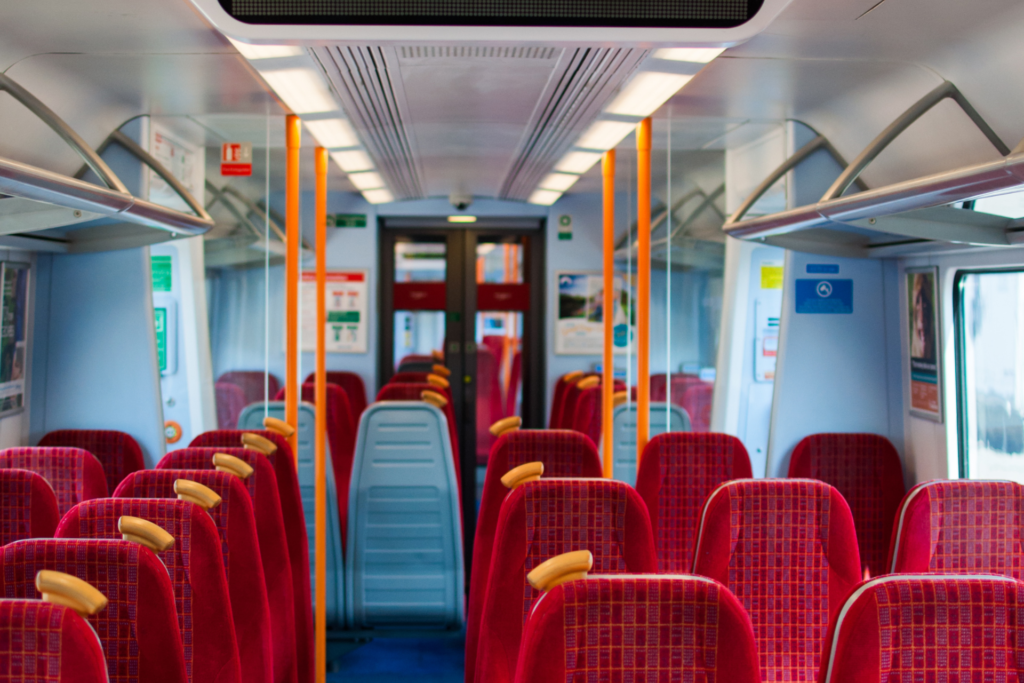
At CB Frost, we stock, supply and convert a wide range of high-performance materials to meet the stringent requirements of the modern Railway industry. The materials used in the construction of rail carriages play a pivotal role in ensuring the safety, efficiency and longevity of the vehicles and carriages. As technical advancements continue to shape the rail industry, understanding the essential qualities that rail materials must possess has become increasingly important.

Having established long-lasting partnerships with Rogers Corporation, a global leader in engineered materials, and Armacell, specialists in producing high-performance insulation materials and technical equipment for the rail industry, we work with the highest quality of special rail materials available.

With our extensive knowledge of specialist materials, rail industry requirements, and converting materials into a wide range of products for sealing, insulation and vibration isolation, CB Frost is here to provide expert advice on material selection and important considerations to make for each rail application.

Rail Products, Materials and Applications

At CB Frost, we supply a wide range of products for rail applications, including:

  • Die cut gaskets and washers
  • Tape/strip for sealing applications
  • Fabrications
  • Rubber mouldings
  • Sponge and rubber extrusions
  • Seat pads
  • Machined plastics

All products are manufactured in house from our wide range of EN45545-2 (European Fire Safety Standard) compliant materials, including:

    • Bisco® HT200 sound block silicone – Acoustic barriers
    • Bisco® HT800 medium silicone foam – Door seals, gap fillers, HVAC seals, LCD display and lighting gaskets, vibration isolation
    • Bisco® BF1000 soft silicone foam – Gap fillers, HVAC seals, LCD display and lighting gaskets, smoke seals
    • Bisco® BF2000 ultra soft silicone foam – Door seals, gap fillers, HVAC seals, LCD display and lighting gaskets, smoke seals,
    • CBF Sil-V0 silicone sponge – Door seals, gap fillers, HVAC seals, LCD display and lighting gaskets, smoke seals,
    • MF1 (55) seating foam – Seat cushioning
    • MF775 (FR8775) silicone rubber – HVAC seals, LCD display and lighting gaskets, rail partitioning
    • LSLT EPDM rubber – Door seals, LCD display gaskets, rail partitioning
    • LSLT neoprene sponge – Gap fillers, LCD display gaskets
    • Rail SD and SDC Insulation foam – HVAC seals 
    • Sustamid (plastic) – Cable Clamps

Our range of high-performance materials for use in the rail industry are selected to provide:

  1. Durability and Longevity – Materials must withstand harsh operating conditions, including temperature fluctuations, moisture, and mechanical wear, ensuring long-term performance without frequent replacements.
  2. Fire Resistance – Compliance with stringent fire safety standards such as EN45545-2 and BS6853 is crucial to protect passengers and equipment in case of fire. Fire safe materials are designed to prevent the spread of fire and smoke through rail vehicles and do not produce toxic fumes when exposed to fire. Our high-performance materials are compliant to EN45545-2, BS6853 Cat 1A and UL94 approved to V-0 and HF-1.
  3. Thermal Insulation – Effective thermal insulation helps maintain temperatures within rail vehicles, not only for the comfort of passengers, but to help enhance energy efficiency for HVAC systems. 
  4. Noise Reduction – As trains travel along rail tracks at high speeds, they can generate high levels of sound, so it’s important that rail materials for sound insulation applications should possess excellent sound absorption properties to minimise noise levels and enhance passenger comfort.
  5. Vibration Damping – Effective vibration damping reduces wear and tear on vehicle components and improves ride comfort for passengers.
  6. Elasticity and Flexibility – Materials need to be elastic and flexible to provide effective cushioning and adapt to various shapes and movements without losing their sealing capabilities.
  7. Environmental Resistance – Materials must be able to resist environmental factors such as UV, Ozone and various weather conditions to maintain their integrity over time.

These qualities ensure that materials used in rail vehicles provide reliable and effective performance for sealing, cushioning, noise reduction, and vibration isolation, enhancing safety, comfort, and efficiency.

Selecting High-Performance Materials

Choosing rail materials with the right qualities is essential for ensuring the safety, reliability, and efficiency of rail systems. Materials that offer durability, longevity, fire resistance, thermal insulation, and effective noise and vibration damping are critical to maintaining the integrity of rail infrastructure and enhancing passenger comfort. 

Selecting the appropriate materials can significantly reduce maintenance costs, minimise downtime related to maintenance and repairs, and comply with stringent safety regulations. As specialists in supplying and converting high-performance materials for a wide range of essential rail applications, we are here to ensure that you get tailored solutions that meet the specific demands of your rail projects.

To discuss your rail industry project needs, contact us today.
EN45545 Materials and Their Impact on the Rail Industry

Whilst rail networks have been key to European transport since the Industrial Revolution, EN45545-2, the European Standard for fire safety in the rail industry has only been mandatory since 2018. Since then, EN45545 materials have been considered in all aspects of rail stock design and manufacture, helping to improve the safety of passenger and freight rail transport.

EN45545 materials

In the mid 20th century, fire safety regulations did not play an important part in the manufacture of rolling stock. Passenger coaches for trains were commonly constructed using materials such as steel and wood, whilst passenger seats were made of wool, leather, or leatherette, with no thought for the risks in the case of fire. 

In the later decades of the 20th century, and the start of the 21st century, electrics were widely introduced in rolling stock, and many interior materials were replaced with plastics to help increase comfort for passengers and modernise carriage aesthetics. However, in introducing these elements to trains, rail industry designers helped increase the risk of fire and smoke.

Whilst it was recognised that a need for standard fire safety regulations was needed for rail stock across Europe, the rail industry found that there were a number of issues that made the implementation of these regulations somewhat challenging. For example, different manufacturing materials and production materials were used in different countries, and there were a variety of reasons attributed to the cause of fires, not only electrics, but braking system failures, high temperatures and even arson.

Following 20 years of research, testing, and negotiations to devise standard fire safety testing for materials used in all elements of rail vehicle manufacture, EN45545 was introduced in 2013, before becoming mandatory across Europe 5 years later.

What are EN45545 materials?

The aim of EN45545 is to protect passengers and staff onboard rail vehicles by reducing the likelihood of fire incidents. Part two of this European Standard (EN45545-2) sets much stricter requirements for how materials used in the manufacture of rail stock behave in the case of fire, but also how materials are tested.

They key areas tested for the adequate fire safety of rail materials include:

  • Fire spread
  • Ignitability
  • Heat release
  • Smoke emission
  • Toxic emission

EN45545 materials are classified according to 26 requirement sets (R1-R26) depending on where the materials are used, as well three hazard levels (HL1, HL2, HL3). Hazard classification depends on how many kilometres the rail vehicles are in a tunnel and whether they are automatic, two-storeys or if sleepers are on board.

Not only is EN45545 mandatory for all European rail vehicles in order to protect personnel and passengers, given that the rail industry puts great pressures on components and materials used, particularly through generating high temperatures and levels of vibration, EN45545-2 compliant materials are a key factor in rail vehicle design help to ensure the safety and longevity of rail vehicle components.

Selecting the right rail materials

The most important steps for selecting the right materials for rail vehicle components are determining which of the 26 requirements for fire safety apply to a certain rail application, and to identify the fire hazard level (HL1, HL2 or HL3). In addition to these determinations, it’s important to also select a material that not only meets the above requirements, but meets your technical requirements.

Needless to say, selecting rail materials can be easier said than done, so it is always advisable to work with a trusted partner with experience in supplying and selecting EN45545 materials. With experience of supplying materials for major rail projects including the London Underground, SSL, Electro Star, IEP.Crossrail and Mk3, and working alongside some of the most dynamic cellular silicone manufacturers in the world, CB Frost are well placed to provide assistance in choosing the right rail materials for any component. 

Whilst the European Standard for fire safety in the rail industry only became mandatory in 2018, we were way ahead of the curve and all of our specialist high specification rail materials have been EN45545-2 compliant since long before this point. With our close relationships with rail suppliers and partners, we strive to always be ahead of industry changes, ensuring that you select the best possible rail materials to suit all applications.

To discuss your EN45545-2 compliant material needs for rail components, please call our experienced team on +44 (0)121 773 8484.