Sections

Latest News

News 4 Aug 2026

Die-Cut vs. Waterjet Cut Silicone Gaskets

What’s the best choice for your production run? Selecting the right material is critical for manufacturing high-performance seals, but how...

News 23 Jun 2026

Rolling Stock Networking: Connect with CB Frost at RSN 2026

At CB Frost & Co, we don’t believe in waiting around when a great opportunity knocks. That is exactly why...

Choosing Your Compound: Choosing Materials for Rubber Mouldings

The effectiveness and longevity of rubber mouldings hinge critically on one fundamental decision: the choice of material used. With a vast array of synthetic and natural rubbers available, each with their own unique properties, selecting the right material for your specific application is essential. The wrong choice can lead to premature failure, compromised performance, and ultimately, increased costs.

At CB Frost & Co, with many years of experience in the rubber and plastics industry, we understand that material expertise is the cornerstone of high-quality rubber moulding. To provide insight into choosing the right materials, below we explore some of the most common rubber compounds, outlining their key characteristics, pros, and cons.

Neoprene Rubber

Neoprene was one of the first successful synthetic rubbers and is one of the most popular choices for moulded components. Known for its balanced properties, moulded neoprene rubber components are suitable for diverse applications.

Pros:

  • Good resistance to weathering, ozone, and UV radiation.
  • Good resistance to oils, and some chemicals.
  • Good abrasion resistance and physical toughness.
  • Performs well over a wide temperature range (-20°C to +70°C).

Cons:

  • Neoprene is not as resistant to extremely high temperatures as some other rubber compounds, such as Silicone.
  • Moderate resistance to aromatic hydrocarbons.
  • Can be more expensive than natural rubber or EPDM for some applications.

With its resistance to oils, chemicals and temperature variations, Neoprene rubber is well suited to moulded automotive parts like hoses, belts, and vibration mounts. Neoprene components are also widely used in industrial seals, seals for doors and windows, and protective gear, due to their resistance to weather, ozone, and UV, along with their flame retardancy.

EPDM Rubber 

EPDM is a standout material for a wide range of outdoor applications due to its range of resistance characteristics

Pros:

  • Excellent resistance to weathering, ozone, and UV radiation, making it ideal for outdoor use.
  • Very good resistance to water, steam, polar solvents, and alkalis.
  • Wide operating temperature range (-30°C to +80°C).
  • Good electrical insulation properties.
  • Grades available with fire resistance and compliance to EN45545-2 and BS6853.
  • Cost-effective for many applications.

Cons:

  • Poor resistance to petroleum-based oils and hydrocarbons.

EPDM rubber mouldings are often the preferred choice for a range of outdoor and high-moisture environments. For example, their exceptional resistance to weathering, ozone, UV radiation, water, and steam makes them well suited to applications like automotive door, window and boot seals. In the construction industry, EPDM mouldings are widely used for roofing parts, expansion joints, and seals for windows and doors. EPDM is also a good electrical insulator, making it suitable for a range of electrical applications.


Natural Rubber

Whilst many synthetic alternatives have been developed, natural rubber remains a popular choice for mouldings due to its excellent physical properties.

Pros:

  • Outstanding tensile strength, tear strength, and abrasion resistance.
  • Excellent elasticity and dynamic properties (good for absorbing vibrations).
  • Good low-temperature flexibility.
  • Relatively low cost.

Cons:

  • Poor resistance to oils, fuels, and many chemicals.
  • Poor resistance to ozone, UV light, and weathering, leading to degradation.
  • Narrower temperature range compared to synthetics engineered for temperature resistance.

With its superior elasticity and excellent physical strength, natural rubber moulded components are commonly found in anti-vibration mounts, bushings and shock absorbers, where their ability to absorb energy whilst maintaining flexibility when exposed to stress is important. Other common applications include seals for water-based systems and industrial components where high tensile strength and tear resistance is vital. It’s important to remember that natural rubber parts are not well suited to outdoor applications, exposure to chemicals, or high temperature environments.

Nitrile Rubber

Nitrile rubber is an ideal choice of material for applications where oil and fuel resistance are vital.

Pros:

  • Excellent resistance to petroleum-based oils, fuels, greases, and hydraulic fluids.
  • Good abrasion and tear resistance.
  • Performs well over a wide temperature range (-20°C to +70°C).
  • Good resilience and compression set.

Cons:

  • Poor resistance to weathering, ozone, and UV radiation.
  • Not suitable for very high temperatures.

For industrial applications where contact with oils, fuels and chemicals must be considered, Nitrile rubber mouldings are a go-to choice. Their resistance to petroleum-based oils, along with fuels, greases and hydraulic fuels makes them ideal for the automotive and aerospace industries. Nitrile O-rings, gaskets, fuel hoses, oil seals and other moulded components are extremely common. The chemical resistance and abrasion resistance of Nitrile also makes Nitrile mouldings well suited to seals for a wide range of machinery.

Silicone Rubber

Silicone rubber stands out for its extreme temperature capabilities and biocompatibility, making it a popular choice for rubber mouldings in various industries.

Pros:

  • Exceptional temperature resistance, with a wide range of -60°C to +230°C.
  • Excellent resistance to ozone, UV, and weathering.
  • Good electrical insulation properties.
  • Highly flexible and elastic, even at extreme temperatures.
  • Chemically inert, making it suitable for medical and food-contact applications (FDA approved grades available).
  • Good compression set.

Cons:

  • Relatively poor abrasion, tear, and tensile strength compared to other rubbers.
  • Limited resistance to steam and some concentrated chemicals.
  • Generally higher cost.

We most often see Silicone mouldings in extreme temperature applications, such as ovens, engines and automotive or aerospace components. Due to the chemical inertness of Silicone rubber moulds, they are well suited to applications within the medical industry, food processing, and baby products.

Making the right choice for your rubber mouldings

Choosing the correct material for your rubber mouldings is a critical engineering decision, requiring a thorough understanding of the intended application, the environmental conditions it will face, and the specific performance requirements. Temperature, chemical, abrasion and flexibility should all be considered.

Our expertise extends beyond just manufacturing; we provide comprehensive material selection advice. By understanding your specific needs, we can recommend the most appropriate material to ensure your rubber mouldings perform to the highest level and provide long-lasting value.

Don’t leave your material choice to chance. Talk to our experienced sales team to discuss your rubber moulding requirements and let our experts guide you to the perfect material choice and finished product.

Why Neoprene Rubber is So Widely Used in Industry

Whilst we supply and manufacture an extensive range of rubbers and polymers, one of the most frequently requested materials is Neoprene rubber. 

Neoprene rubber

Neoprene Is the trade name for Polychloroprene rubber or Chloroprene. It is a synthetic rubber material, initially developed as a cost-effective substitute for natural rubber, and is a highly versatile material that is extensively used in various industries. With its impressive array of use properties, Neoprene has proved to be an indispensable choice for a wide range of applications. 

Dating back to the 1920s, Neoprene was developed by Arnold Collins, an American Chemist working for the DuPont research group. Following the considerably increased demand for natural rubber following the First World War, Collins worked to create a cheaper alternative to meet this demand, which led to the discovery that the polymerisation of chloroprene resulted in a strong, versatile material providing the same useful characteristics of natural rubber.

Like all polymer materials, there are a range of advantages and disadvantages of using Neoprene, but the pros much outweigh the cons column, which explains why it is used for so many different applications that we see every day.

neoprene rubber

Why choose Neoprene?

Neoprene is one of the most popular materials for industries such as Automotive, Construction, Electrical, Manufacturing and Sportswear due to its exceptional properties and versatility. Here are some of the most important reasons why Neoprene is widely used and the applications it is utilised for:

  1. Chemical Resistance: Neoprene rubber exhibits excellent resistance to oils, chemicals, and acids, making it suitable for applications in industries such as automotive, manufacturing, and construction.
  2. Weather Resistance: Neoprene rubber is highly resistant to weathering, ozone, and UV radiation. It can withstand extreme temperatures, making it ideal for outdoor applications and environments with varying weather conditions.
  3. Waterproofing: Neoprene rubber has inherent water-resistant properties, making it a preferred choice for applications that require sealing, gaskets, or waterproofing, such as in marine equipment, wetsuits, construction and electrical enclosures.
  4. Durability: Neoprene is known for its durability and long lifespan. It can withstand physical abrasion, tearing, and flexing, making it suitable for heavy-duty applications that require resilience and longevity. It provides an effective gasket material for many manufacturing processes that require strength and durability to withstand constant use and exposure to extreme environments.
  5. Flexibility and Elasticity: Neoprene maintains its flexibility and elasticity over a wide temperature range, allowing it to conform to irregular shapes and provide excellent sealing capabilities.
  6. Shock Absorption: Neoprene rubber has good shock-absorbing properties, making it useful in applications that require vibration isolation or cushioning, such as in sports equipment, footwear, and automotive components.
  7. Flame Resistance: Neoprene rubber exhibits self-extinguishing properties and resists the spread of flames, making it a preferred material in industries that prioritise fire safety, such as aerospace and electrical.
  8. Adhesive Compatibility: Neoprene rubber has good compatibility with various adhesives, allowing for easy bonding to different substrates, including metals, plastics, and fabrics. Neoprene is well suited for Neoprene rubber strips, cut from Neoprene rubber sheet, which can be adhesive backed to suit a wide range of sealing, vibration isolation and gasketing applications.

These are just a few examples of the many applications and industries where Neoprene is extensively used. This versatility also makes it a preferred material in a range of other sectors, including aerospace, mining and even medical.

Manufacturing with Neoprene Rubber

At CB Frost, we supply black Neoprene rubber in a roll stock material of thicknesses ranging from 1mm to 12mm. We can supply a number of different grades, including commercial, flame retardant and British Standard (BS2752) specifications, depending on your specific needs.

At our premises in Birmingham, we have the manufacturing facilities and expertise to convert Neoprene rubber sheet or roll material into a range of useful products, including:

  • Neoprene gaskets
  • Neoprene rubber strips
  • Fabrications

If you are looking for a Neoprene manufacturing partner, or require assistance in choosing the right material or grade of Neoprene for your application, please contact our sales team by calling +44 (0)121 773 8494 or get in touch here.

A Look Back at 2021 at CB Frost

CB Frost 2021

With the continuing COVID-19 pandemic, 2021 has certainly brought many challenges for CB Frost, our suppliers and our customers. However, despite this, it has been another important year for us.

Let’s take a look back at the last 12 months.

Celebrating our 100th Anniversary

100 Years

In March of this year, we celebrated 100 years of CB Frost, looking back at our small beginnings in 1921 and the development of the business alongside the rubber and plastics industry as a whole, through to our relocation and expansion last year and the launch of our new website early this year. 

Needless to say, the company has been through many changes over the course of a century, but one thing that has remained constant is our ethos of ‘quality without compromise’. We work constantly to develop our processes and technologies, as well as developing our staff.

Make UK Defence

To increase our network of defence industry clients and increase our manufacturing output of specialist parts for land and naval divisions of the Ministry of Defence, we joined Make UK Defence, the defence division of the Make UK manufacturer’s organisation.

Our membership allows us to benefit from access to defence insights, as well as the chance to attend networking events to build new MoD connections and gain advantages over competitors. With the MoD being the only government department granted a 4 year spending settlement and £16.5b budget increase, our Make UK Defence membership is key to us winning competitive advantage over overseas defence exports.

90 years of Neoprene Rubber

As well as celebrating our own 100 year anniversary, we also took the opportunity to look at the 90 year history of one of our most popular, durable and versatile materials – Neoprene.

Developed by American company DuPont and first introduced to the market in 1931, Neoprene has continued to be a popular choice for design engineers ever since. At CB Frost, we supply Neoprene Rubber and Neoprene Sponge in a range of grades and thicknesses to suit many applications. 

Neoprene is highly resistant to weathering, extreme temperatures, compression and chemicals, making it an ideal choice for an extensive range of applications, including insulation for wiring, vibration damping, sealing and pressure gaskets, insulation strip/tape and cord.

New Overhead Press

overhead press

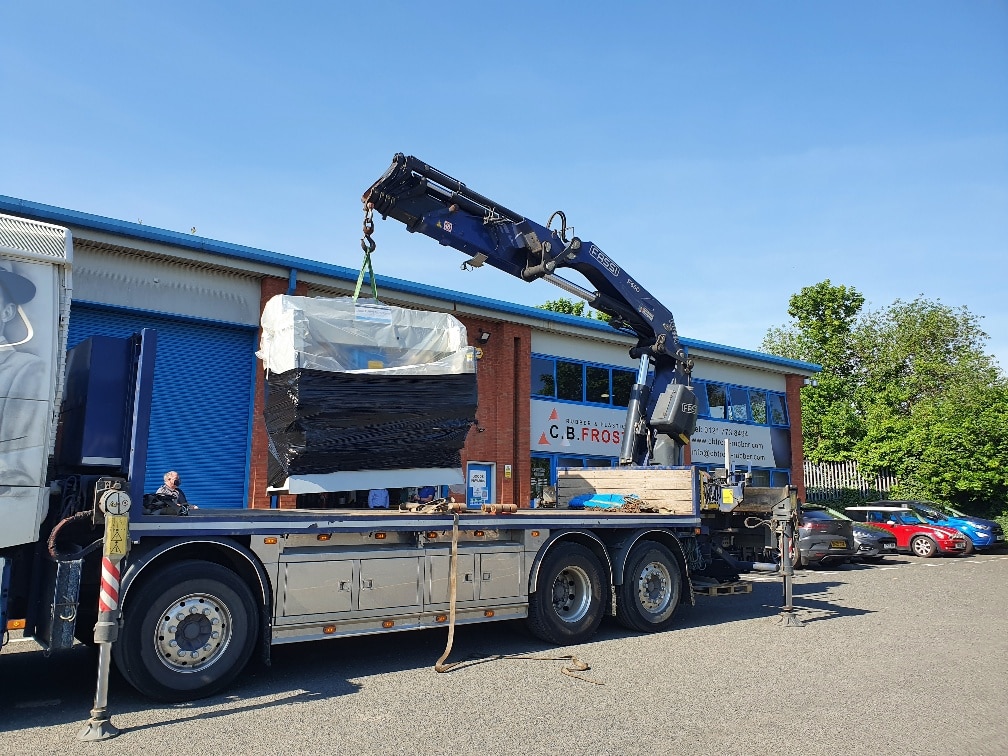
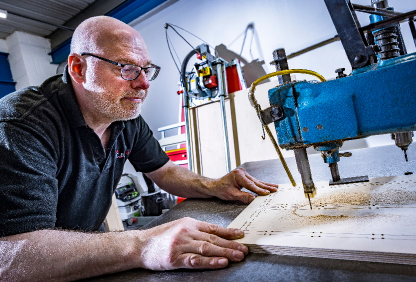
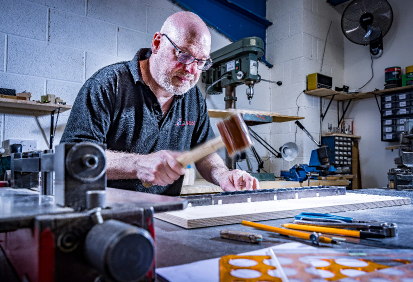
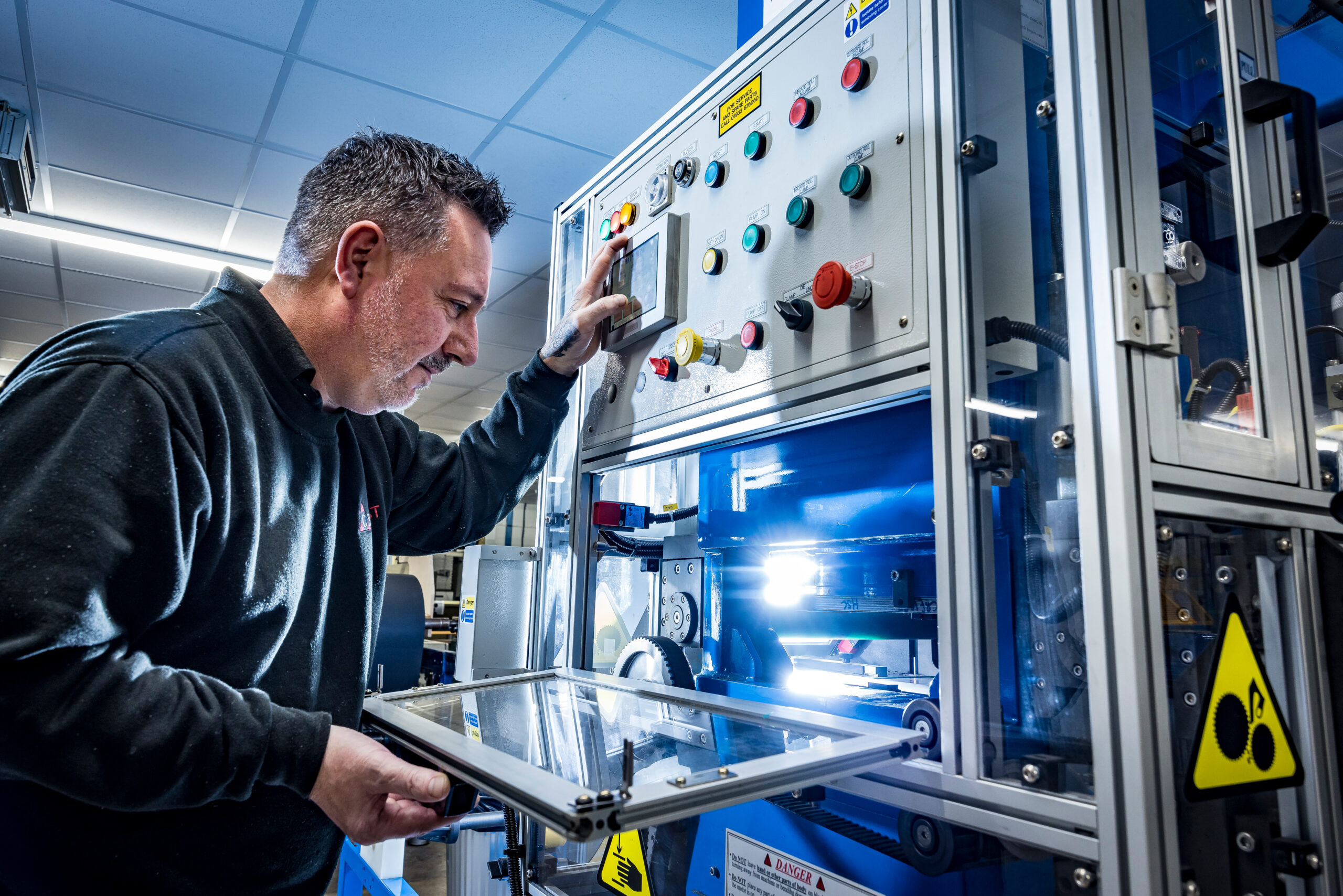
Since moving to new premises in 2020, we have continually worked to expand our production capabilities whilst maintaining the same excellent levels of quality. This summer, we took delivery of a newly refurbished model TH-35 overhead press, which is equipped with a range of user friendly features.

Adding a further cutting press to our manufacturing facilities has allowed us to considerably increase our production levels, whilst also giving us the flexibility to choose between a range of cutting presses for each production run.

Rolling Stock Networking Event, Derby

CB Frost

Despite this being only the second indoor live rail show of the year as a result of restrictions earlier in 2021, it was an extremely successful event and we were kept busy by visitors throughout the day (as well as in the following days as we contacted new leads!). 

Following the excellent response to CB Frost’s stand, we wasted no time in booking our exhibitor spot at RSN 2022.

The future for CB Frost

With 2022 just around the corner, we are excited for what the future holds. To learn more about our range of materials, products and services, browse cbfrost-rubber.com or to discuss your requirements, call us today on 0121 773 8494 and our friendly team will be happy to assist you.