Sections

Latest News

News 4 Aug 2026

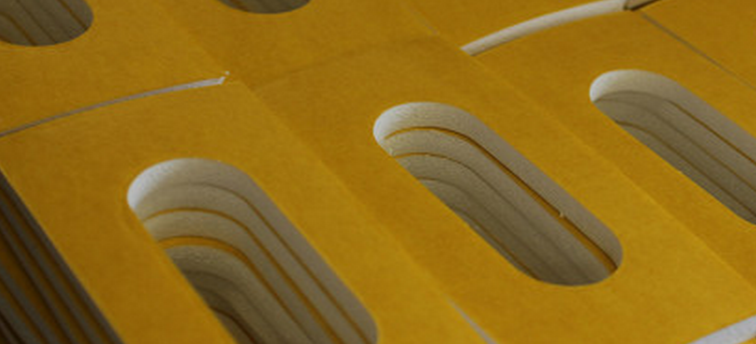
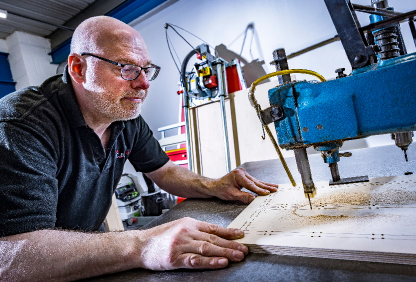
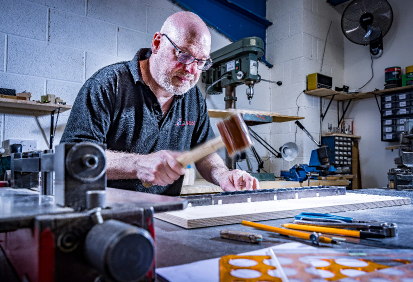
Die-Cut vs. Waterjet Cut Silicone Gaskets

What’s the best choice for your production run? Selecting the right material is critical for manufacturing high-performance seals, but how...

News 23 Jun 2026

Rolling Stock Networking: Connect with CB Frost at RSN 2026

At CB Frost & Co, we don’t believe in waiting around when a great opportunity knocks. That is exactly why...

Why Choosing the Right EN45545 Gasket is Critical for Rail Industry Safety

In the modern rail industry passenger safety dictates every phase of vehicle design, engineering, and manufacturing. Major structural components, advanced braking mechanisms, and crash-management systems often take the spotlight, but even seemingly minor components within train interiors are absolutely vital for passenger safety during an emergency. One of the most critical, but less talked about elements, in rail interior environments is the EN45545 gasket.

Gaskets are used extensively throughout rail vehicles, from sealing doors and securing windows to isolating HVAC systems, and protecting electrical and lighting enclosures. Whatever the application, it is essential that the right gasket materials are chosen.

  • Critical safety role: While often overlooked, EN45545 gaskets are vital for passenger safety, securing everything from doors and windows to HVAC and electrical systems.  
  • Rail fire hazards: In enclosed rail environments like tunnels, smoke inhalation and toxic fumes are the primary causes of injury. Non-compliant rubber can act as fuel, accelerating fire and creating blinding smoke that blocks evacuation routes.  
  • EN45545-2 standard: Established in 2013, this regulation unifies fire safety by testing materials for fire, smoke, and toxicity. Materials are categorised by Hazard Levels (HL1 to HL3) based on the operating environment.  
  • Consequences of non-compliance: Using non-compliant materials leads to severe legal penalties, vehicle recalls, and lasting brand damage.  
  • Applications: EN45545 gaskets prevent fire from breaching compartments via doors/windows and stop the spread of toxic smoke through HVAC networks.  
  • Expert manufacturing: CB Frost converts high-performance materials (such as Bisco® silicone foams and LSLT EPDM) into precision components that meet stringent HL3 safety benchmarks.

The Unique Danger of Fire in the Rail Environment

Trains are high capacity, enclosed spaces that frequently travel at high speeds through remote areas, lengthy tunnels, or underground networks. In the event of a fire, immediate evacuation is often physically impossible, and this is why material selection is so critical.

During a rail fire, the flames themselves are not the only danger. Statistics consistently show that smoke inhalation and exposure to toxic fumes are the leading causes of injury and fatality in train fire incidents. 

Choosing the wrong rubber gaskets or sealing materials for rail interiors can have catastrophic real-world consequences. Standard, non-rated industrial rubber compounds can act as highly combustible fuel. When exposed to heat or open flame, they can accelerate the spread of the fire and emit thick, lethal, and blinding smoke. This dark smoke quickly obscures emergency lighting and signage, plunging passengers into darkness and severely impeding evacuation routes.

Beyond the threat of fire and smoke spreading, using substandard gasket materials also presents huge compliance and operational problems. Rail manufacturers and suppliers caught using non-compliant parts face heavy legal penalties, costly vehicle recalls, and irreparable damage to their brand reputation.

The EN45545-2 Standard

To combat the specific risks of the rail sector and unify fire safety regulations across European and international railways, the EN45545-2 standard was established in 2013. This safety regulation stringently dictates the fire, smoke and toxicity properties of all materials and components used in railway vehicles.

Under the EN45545-2 directive, materials are rigorously tested and categorised based on their use and the specific Hazard Level (HL1, HL2, or HL3) required for the operating environment of the train. For example, a high-speed sleeper train or a subterranean metro system will require the highest hazard level classification (HL3) due to the extreme difficulty of evacuation.

By selecting fully certified EN45545 gaskets, engineers ensure that the materials will resist ignition, prevent the spread of fire, and drastically limit the release of harmful gases. This critical delay in fire propagation grants passengers and crew the precious minutes needed to evacuate safely.

Key Applications for EN45545 Gaskets

EN45545-2 compliant gaskets are not just used in one specific area; they are integral to the entire anatomy of a train car. Key interior applications include:

  • HVAC systems: Sealing ducting and conditioning units to prevent the rapid spread of toxic smoke through the train’s ventilation network.
  • Door and window seals: Providing weather-tight insulation while ensuring fire doesn’t easily breach passenger compartments.
  • Lighting and electrical enclosures: Preventing localised electrical faults from igniting surrounding panels and materials.
  • Flooring and panelling: Providing vibration dampening and acoustic insulation between interior panels without adding combustible mass.

How CB Frost Delivers Uncompromising Rail Safety

At CB Frost & Co, we know that there is zero room for error or compromise when engineering components for mass transit. As a preferred converter for Rogers Corporation, we are experts in manufacturing fully compliant gaskets from the highest performance, EN45545 compliant materials available on the market, including specialised silicone and EPDM sponges, foams and solid rubbers.

Compliant Rail Materials (EN45545-2)

  • Bisco® HT800 medium silicone foam
  • Bisco® BF1000 soft silicone foam
  • Bisco® BF2000 ultra soft silicone foam
  • CBF Sil-V0 silicone sponge
  • MF1 (55) seating foam
  • MF775 (FR8775) silicone rubber
  • LSLT EPDM rubber
  • LSLT neoprene sponge
  • Rail SD and SDC Insulation foam
  • Sustamid (plastic)

Our experienced team works closely with rail operators, OEMs, and rail interior designers to ensure that every seal, gasket, and extrusion meets the exact specifications and hazard levels of the project. We convert these high performance materials, specifically formulated and independently tested to pass stringent regulatory standards, into precision-cut moulded, extruded, or fabricated components.

From high volumes of die-cut gaskets to custom extrusions and waterjet-cut profiles, our advanced manufacturing capabilities guarantee that your rail interiors are equipped with materials that meet the highest possible safety, durability, and performance benchmarks.

Don’t leave passenger safety or EN45545-2 regulatory compliance to chance. Partner with a manufacturer that truly understands the rigorous demands and life saving importance of the modern rail sector.

Learn more about our dedicated manufacturing capabilities for the rail sector and explore our complete range of compliant materials by visiting our rail industry page.

If you are ready to start on your next rail project, talk to our experienced sales team.

Which Rubber Gasket Do You Need? Solid or Sponge?

When sourcing sealing solutions for your next engineering, manufacturing, or construction project, selecting the right material is critical. Make the wrong choice and you risk leaks, environmental damage, or system failure. For buyers and procurement managers, one of the most common dilemmas when specifying a seal is material selection, and deciding between a solid rubber gasket and a compressible sponge gasket.

CB Frost & Co has over 100 years of experience in converting high-performance sponge and rubber materials for applications in practically all industries. To help you make the right choice for your application, we have broken down the core differences in compressibility, gap-filling properties, and high-pressure sealing capabilities. 

Solid vs. Sponge

The main difference between choosing solid rubber or soft sponge gaskets comes down to compressibility and pressure.

  • Solid rubber gaskets are best for high-pressure sealing between two flat, rigid surfaces. They are highly durable but do not easily compress.
  • Sponge gaskets are best used for gap filling, cushioning, and low-closure force sealing applications. Their cellular structure allows them to compress easily and conform to uneven or irregular surfaces.


Feature Solid Rubber Gaskets Sponge Gaskets
Compressibility Very low – the material deflects rather than compresses. High – the cellular structure allows it to squash easily.
Closure Force Required High – requires significant clamping pressure or heavy metal bolts. Low – creates an effective seal under minimal compression.
Ideal Mating Surface Perfectly flat and rigid surfaces. Uneven, irregular, textured, or misaligned surfaces.
Key Advantages Highly durable, extreme high-pressure performance, and superior chemical/liquid resistance. Excellent gap filling, shock absorption, and vibration dampening without damaging delicate enclosures.
Example Applications Pipe flanges, heavy machinery, high-pressure fluid transfer systems, and heavy automotive components. HVAC systems, electrical enclosures, lighting fixtures, EV battery compartments, and rail interiors.


Understanding Solid Rubber Gaskets

High pressure sealing

Solid rubber materials are dense, non-porous, and unyielding. As they lack pockets of trapped air within their structure, they have a very low compressibility. This means that a significant closure force is required to create an effective seal with a solid rubber gasket. Once under this pressure, the material deflects rather than compresses, creating an impenetrable seal against liquids, gases, and environmental elements.

Key advantages:

  • Durability: Highly resistant to wear, tear, and abrasion.
  • High-pressure performance: A popular choice for heavy duty applications where strong clamping forces are applied.
  • Chemical and liquid resistance: Superior at blocking chemicals, oils, and high-pressure water, compared with most sponge materials.

With its sealing capabilities, solid rubber is frequently selected for applications such as pipe flanges, heavy machinery, high pressure fluid transfer systems, and heavy automotive components.

Rubber: MF775 Silicone Rubber, HT200 Silicone Rubber, General Purpose Silicone Rubber, Neoprene Rubber, Nitrile Rubber, Commercial Rubber, Commercial Insertion Rubber, EPDM Rubber, LSLT EPDM Rubber.

Understanding Sponge Gasket

Gap filling and cushioning

In contrast to solid rubber, sponge materials are developed with an open or closed-cell structure that contains pockets of air or gas. This gives sponge materials their defining characteristic of high compressibility.

As it compresses easily, there is no need to apply extreme pressure to create a seal. The material naturally squashes down to fill empty spaces, sealing irregular surfaces seamlessly and accommodating different tolerances.

Closed-cell sponges are incredibly effective at keeping out dust, moisture, and air, even under minimal compression.

Key advantages:

  • Gap filling: Conforms effortlessly to uneven, misaligned or textured surfaces.
  • Cushioning and vibration dampening: Absorbs shock, rattles and vibrations, making sponge gaskets ideal for enclosure and delicate electronics.
  • Low closure force: Perfect for applications involving lightweight plastics, thin sheet metals, or even glass, where heavy closing pressure would cause damage.

Ideal sealing and cushioning applications for sponge include HVAC systems, electrical enclosures, lighting fixtures, EV/HEV battery compartments, and passenger rail interiors.

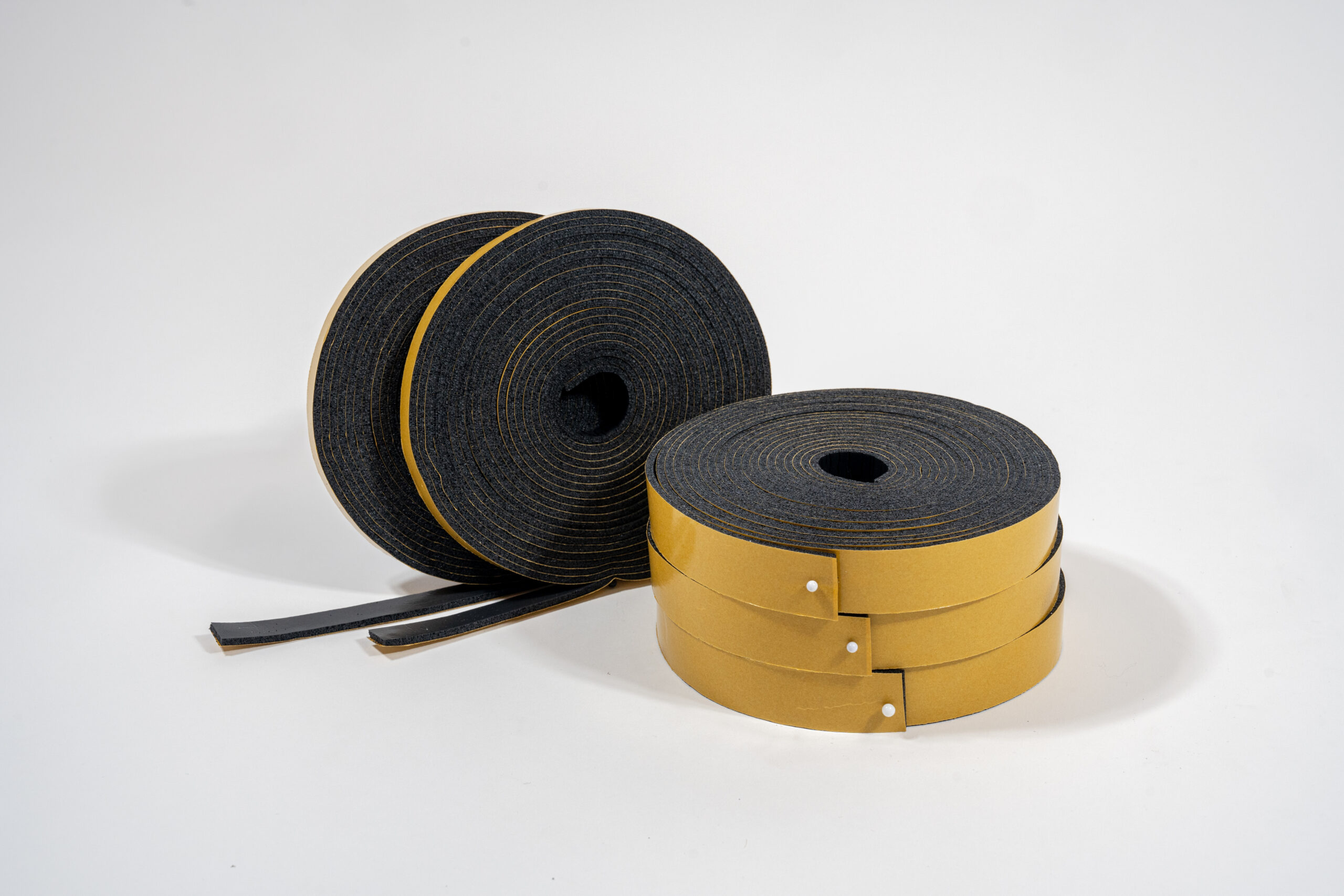
Sponge: CBF Sil V0 Silicone Sponge, General Purpose Silicone Sponge, Neoprene Sponge, LSLT Neoprene Sponge, EPDM Sponge, PVC Sponge, Nitto Semi-Closed Sponge.

silicone sponge gaskets

Solid Rubber or Sponge? A Buyer’s Checklist

When selecting the right gasket material for your unique needs, we always recommend that you ask yourself the following questions about the application:

  • What is the clamping force? If your application uses heavy metal bolts, torqued to high pressure, a solid rubber gasket is likely required. If you are using low closures pressure, for example, lightweight hinges or minimal bolting, then opt for a sponge gasket.
  • Are the mating surfaces perfectly flat? If the surfaces are perfectly flat, then solid rubber is a good choice. However, if the surfaces are uneven or textured, then the cushioning profile of a sponge gasket may be the more suitable choice.

Partner with the UK’s premier Rubber and Plastics Specialists

Whether your project demands the high pressure resilience of solid rubber gasketing, or the reliable cushioning capabilities of sponge, CB Frost & Co can deliver the right solution. As preferred converters for global brands like Rogers Corporation and Armacell, we have the facilities and expertise to provide tailored, high quality seals and components for the Rail, Automotive, HVAC and Defence industries, as well as practically all other industrial sectors.

Need help specifying the right material for your next gasket production run? Contact the expert team at CB Frost & Co today to discuss your requirements, request a data sheet, or get a quote. 

Common Challenges in Rubber Gasket Applications and How to Address Them

rubber gasket

In the world of sealing solutions, rubber gaskets stand as stalwart defenders against leaks, environmental factors, and mechanical stresses. Their flexibility, resilience, and reliability make them indispensable components across a wide spectrum of industries, from automotive to aerospace, manufacturing to medicine and everything in between. Yet, even the most robust rubber gasket can face challenges in their applications which can lead to compromised performance and costly consequences. This is why selecting the most suitable grades of rubber is vital.

In this article, we will shine a spotlight on some of the most common issues that rubber gaskets encounter in their mission to cushion and seal. Whether you are a seasoned engineer, or just curious about the best gasket materials for a product or project you have in mind, read on to find out more about challenges with compression set, chemical compatibility, and other problems preventing gaskets from functioning effectively.

Common Factors Affecting Rubber Gasket Applications

Compression Set


Compression set measures a rubber material’s ability to recover its original shape and thickness once compressive force is removed. For many gaskets that see cyclical compression and relaxation as machinery operates, a low compression set is important for ensuring a long lifespan and reducing the likelihood of gasket failure. This is because gaskets with low compression set return to their original shape and density when being compressed, allowing for a tight seal.

For some gasket applications, a material with a high compression set is required, particularly if the gasket will fit between two separate parts that are attached and firm, durable material is needed. High compression set materials are therefore less flexible, which may result in a loss of sealing effectiveness over time. Gaskets with a high compression set may need frequent replacement or adjustment to maintain an effective seal.

Gasket materials with good compression set characteristics (dependent on grade) include:

  • Neoprene rubber
  • Commercial rubber
  • EPDM rubber
  • Silicone rubber

Chemical resistance

Exposure to chemicals can result in significant challenges for gasket applications, so it’s vital to choose rubber materials with excellent chemical resistance. One of the primary challenges faced by rubber gasket applications is that chemicals can cause the rubber to degrade over time. Chemically aggressive substances can break down the molecular structure of the rubber and compromise its integrity, whilst chemicals may also cause rubber to soften, swell, harden or become brittle and cracked.

As gaskets degrade, there is an increased risk that they will lose the ability to maintain a reliable seal, resulting in leaks, which can be extremely detrimental in applications where sealing is critical. Exposure to chemicals can significantly shorten the lifespan of rubber gaskets when an appropriate grade of rubber is not selected.

Rubber materials with a high resistance to chemicals (dependant on grade) include:

  • Silicone rubber
  • Neoprene rubber
  • Nitrile rubber
  • EPDM rubber

Extreme temperature resistance

Exposure to extreme temperatures can significantly impact the performance and longevity of rubber gaskets when materials without the required level of temperature resistance are not used. 

At extremely low temperatures, rubber materials can lose flexibility, harden and become more rigid. This loss of flexibility can lead to considerably less effective sealability, as the gasket may no longer conform to the mating surfaces that it is designed to seal, therefore resulting in leaks.

In contrast, gaskets exposed to extremely high temperatures may soften or even melt. As rubber materials soften, they lose their structural integrity and sealing ability, which may cause severe damage to equipment or even pose safety risks.

Fluctuations between hot and cold temperatures can also pose problems for some rubber materials. When gaskets are exposed to thermal cycling, switching from hot to cold and vice versa, this can cause them to repeatedly expand and/or contract, leading to gasket fatigue and making cracks and sealing failure much more likely.

Extreme temperatures can also affect the compression set of gasket materials, reducing their ability to recover to their original shape after compression. Gaskets can therefore be permanently deformed, leading to a compromised seal.

Gasket materials compatible for use with high temperature include:

  • Silicone rubber
  • HNBR
  • FKM (Viton ®)

Gasket Material Selection

At CB Frost, in addition to manufacturing rubber gaskets, we also stock and supply an extensive range of rubber, synthetic rubber and plastic materials to suit practically any application. If you are unsure on which gasket materials to choose for each application, our experienced sales team is on hand to discuss your requirements and help you select the material grade with the ideal characteristics for the conditions your gaskets will be exposed to.

If you need assistance in gasket material selection, contact us today.

Choosing the Right Gasket Materials (and Gasket Manufacturers)

Whilst a gasket may be a relatively simple component in many cases, the importance of choosing the right gasket materials cannot be underestimated. Selecting a material that lacks the required properties leads to gasket failure, the repercussions of which can be extremely costly, both in terms of production delays and equipment damage, or even injury. 

Gaskets come in many different variations, shapes and sizes, including flat gaskets and moulded gaskets. Regardless of the shape of a gasket, its most important function is to provide a buffer between two mating surfaces, acting as a mechanical seal against liquids, gas, dust or any other element that could be detrimental to the application. 

These functions considered, in order for a gasket to be successful, it’s vital that it is manufactured from a material that can resist the elements it will be exposed to in order to maintain an efficient seal.

gasket materials

Let’s address some of the key factors to be considered when choosing the right gasket materials.

Selecting Resistant Gasket Materials

There are a range of environmental factors that can impact on the efficiency and durability of a gasket. Depending on the application, you may need to consider:

UV/Ozone

Outdoor applications are subjected to UV light from the sun and Ozone from the atmosphere, which can result in gasket degradation for materials that do not exhibit strong UV resistance. Materials such as Nitrile rubber and natural rubber are ill-suited for outdoor applications as they can be attacked by UV and Ozone, whereas Silicone rubber is a good choice for outdoor gaskets as it performs well when exposed to UV and Ozone.

Chemicals 

Resistance to chemicals, oils and fuels may be an important factor to consider when choosing materials for certain gasket applications. When certain materials are exposed to abrasive chemicals, they can deteriorate, causing a gasket to fail. EPDM rubber offers a good resistance to many chemicals and hydraulic oils, making it an ideal gasket choice for automotive applications.

Moisture

Gaskets for preventing sealing against liquids must be non-absorbent and moisture resistant. Neoprene and Silicone rubbers react well when exposed to water or moisture for long periods of time.

Shock and Vibration

In applications where vibration or shock can cause damage to components, a shock absorbing gasket material is important to dampen any shock that could lead to product or equipment failure. Developed for use in the Rail industry, HT800 Silicone Sponge features a compact cell structure that resists impact and isolates vibration, making it an ideal choice for protective gaskets.

Temperature

Another factor that cannot be ignored when selecting gaskets is temperature resistance. In certain applications, sealing material must be able to withstand extreme low and/or high temperatures, as well as temperature fluctuations, without changing shape or degrading. Silicone rubber materials generally provide a strong resistance to extreme temperatures.

Compression

The compression set of a material is how much a certain material can be compressed without its shape being permanently deformed. A material with a high compression set will not return to its original shape after compression, whereas a material with a low compression set is highly flexible and will return to its original shape and density after compression. 

Low compression set materials, for example, Silicone foams or PORON® Urethane, are well suited for electrical and lighting enclosure gaskets, preventing the ingress of dust and debris. For strong gasket materials with a high compression set, EPDM rubber can provide a good solution. 

Shore Hardness

In order to find a suitable gasket material, the materials’ shore hardness must be considered. A sealing material must be soft enough to fit a gap between two mating surfaces, but also hard enough to withstand pressure, vibration or impact it is exposed to. Soft materials such as cellular sponges and foams have a low shore hardness, whereas hard plastics and rubber compounds feature a high shore hardness. Solid rubber materials feature a more balanced shore hardness.

When it comes to finding a gasket material with a suitable shore hardness, it is always advisable to work with experienced gasket manufacturers to identify the materials that best suit your application.

Industry Standards

In addition to providing necessary strength, durability and resistance, gaskets are also subject to many industry standards for safety. For example, sealing materials for use in the rail industry must meet standards including EN45545-2, BS6853:1999, NFF-16-101 and the LUL (London Underground) safety standards. In order to choose materials that comply with necessary industry standards, it is important to seek technical advice from gasket manufacturers.

Choosing Gasket Manufacturers

With over 100 years of experience in the rubber and plastics industry, CB Frost has gained considerable expertise in supplying and converting gasket materials for most industrial sectors, including rail, construction, lighting, HVAC, electrical, defence, and most recently, the electrical vehicles market.

As a UK industry leader, our team possesses excellent technical knowledge to advise customers on the most suitable gasket materials in our extensive rubber, sponge, foam product range. We also have extensive in house conversion capabilities, including high speed cutting, extrusion, moulding and fabrication.

To discuss your gasket needs, please contact us by calling +44 (0)121 773 8494.