Sections

Latest News

News 4 Aug 2026

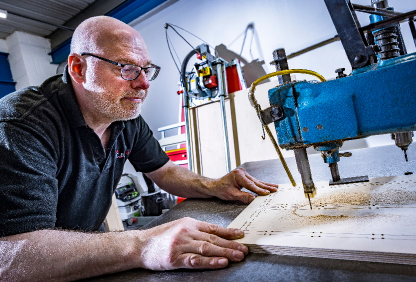
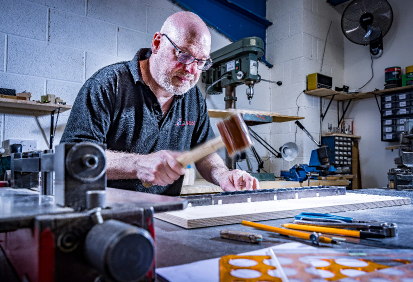
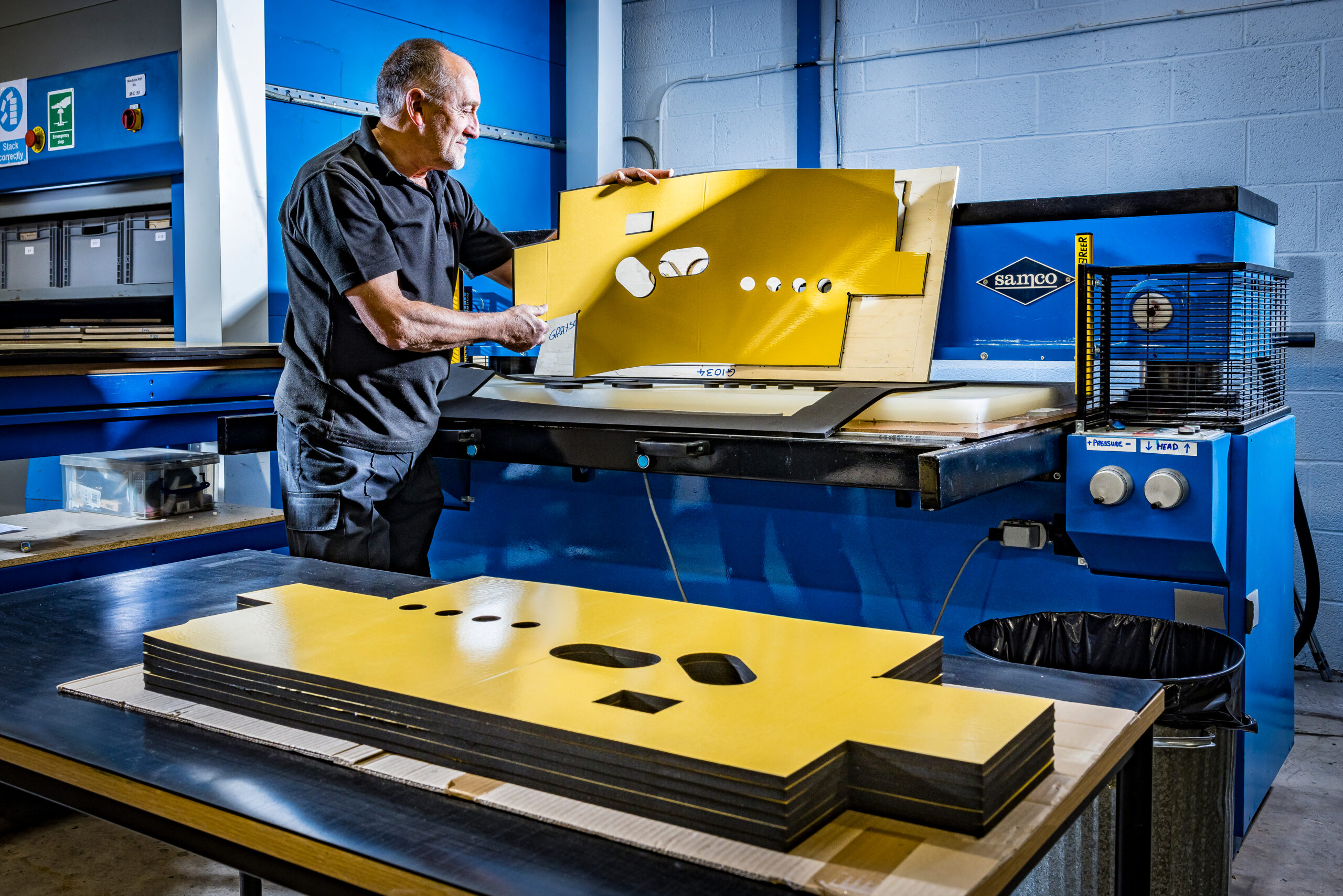
Die-Cut vs. Waterjet Cut Silicone Gaskets

What’s the best choice for your production run? Selecting the right material is critical for manufacturing high-performance seals, but how...

News 23 Jun 2026

Rolling Stock Networking: Connect with CB Frost at RSN 2026

At CB Frost & Co, we don’t believe in waiting around when a great opportunity knocks. That is exactly why...

The Power of Peel & Stick: Simplifying Industrial Assembly with Adhesive Backed Silicone Sponge Gaskets

In high-volume manufacturing and assembly environments, the old cliche that time is money is completely true. Every minute saved on the production line translates directly into increased profitability and efficiency. While silicone sponge gaskets are already recognised for their superior sealing, temperature resistance, and durability, adding an adhesive backing transforms them from high-performance components into streamlined assembly solutions that are made to last.

For many applications, gaskets are fastened to the intended surface to ensure correct application, and to ensure a more effective seal. The power of peel & stick gaskets lies in cutting out complex, messy, and time-consuming manual bonding steps, making adhesive backed silicone sponge gaskets an indispensable material for modern industrial applications.

The Efficiency and Cost-Saving Benefits

Using silicone sponge gaskets with an adhesive backing offers several important advantages for a high-volume manufacturing setting:

  • Dramatically reduced assembly time: The core benefit is speed. Installation requires simply peeling back the liner and placing the gasket. This is significantly faster than applying liquid adhesives, waiting for curing, and then carefully positioning the seal. In automated or semi-automated lines, this can save minutes per unit, leading to massive time savings over a production run.
  • Reduced material waste and mess: Liquid adhesives can lead to inconsistent application, excess squeeze-out, and material waste. Pre-applied adhesive ensures a clean, uniform bond every time, eliminating the need for messy glues, hazardous solvent cleaning, and associated disposal costs.
  • Consistent and reliable placement: The adhesive acts as a “third hand,” securely holding the silicone sponge gasket in place prior to final assembly. This guarantees accurate positioning, which is crucial for achieving high ingress protection ratings and consistent sealing performance.
  • Lower labour costs: The simplified “peel and stick” process reduces the level of skill required for installation, allowing labour to be reassigned to more complex tasks and lowering overall labour costs.
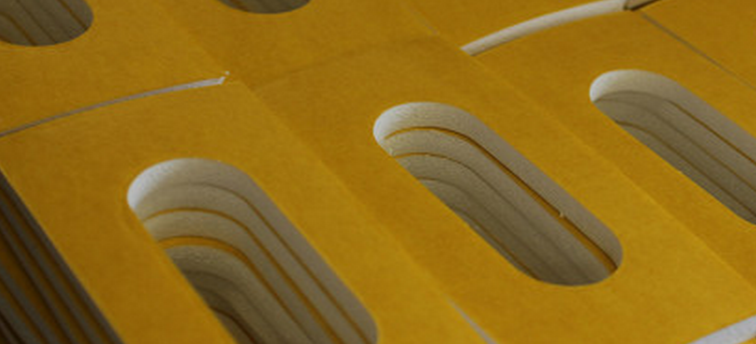
silicone sponge gaskets

Understanding Adhesive Types

The performance of an adhesive backed silicone sponge gasket is only as good as the adhesive itself. At CB Frost & Co, we work with a wide range of adhesives, selecting the ideal adhesive to suit the material it will be applied to, along with the conditions it will face, for example, different environmental conditions, or temperatures of up to +200°C or higher.

Best Practices for Gasket Installation

To make the most of the benefits of adhesive backed gaskets in high-volume assembly, you can follow these best practices:

  • Surface preparation is key: The bonding surface must be clean, dry, and free of oil, grease, or dust. Using a solvent wipe (like isopropyl alcohol) and allowing it to flash-off completely is necessary to ensure optimal adhesion.
  • Temperature control: For permanent bonding, the application should occur at room temperature. Extreme cold can temporarily compromise the adhesive’s initial tack.
  • Apply pressure: Adhesives are pressure-sensitive. After placing the silicone sponge strip or gasket, uniform pressure must be applied (often via a roller or press tool) for a few seconds to ensure maximum contact between the adhesive and the substrate.
  • Allow for dwell time: While the initial bond is immediate, the adhesive requires time to fully cure and reach its ultimate bond strength. The dwelling time will differ depending on the material and type of adhesive.

By utilising the combined power of high-performance silicone foam and the efficiency of peel-and-stick adhesive technology, manufacturers can significantly simplify their assembly processes, ensuring speed, consistency, and long-term reliability for critical sealing applications.

To discuss your gasket or strip needs, or for assistance in material selection, talk to our knowledgeable sales team.

For a selection of standard adhesive backed sheet and strip materials, you can visit our online shop.

Announcing New Directorships and Leadership Restructuring at CB Frost & Co.

As CB Frost & Co continues to grow and evolve, we are pleased to announce an important organisational restructuring that will strengthen our leadership team and position us for continued success. Effective from 1st August 2025, several key individuals will transition into new roles, reflecting their invaluable contributions and expertise within the company.

We are delighted to formally announce the following appointments to new directorships:

  • Edward Booth, who joined the company in 2008, will assume the role of Compliance Director.
  • Daniel Brock, a member of the team since 2011, will now serve as Sales Director.
  • Richard Hunt, with us since 2015, has been appointed Operations Director.

These individuals have shown exceptional dedication and skill throughout their tenures, and we are confident that their leadership will be instrumental in driving CB Frost & Co forward.

In addition to these new directorships, Mark Jones will transition from his current position as Sales Director to the new role of Commercial Director. Mark’s journey at CB Frost is a testament to his commitment and deep understanding of our business. Having started on the shop floor in 1995, his career has progressed through various roles including order processing, sales engineer, and sales manager before becoming Sales Director in 2011. His wealth of experience across all facets of the company makes him the ideal person for this new strategic position.

Following the appointment of Edward, Daniel and Richard as directors, Mark Jones commented on the integral role they have played in our success over recent years:

“I am immensely proud to see Edward, Daniel, and Richard step into their new directorships. Their dedication and hard work have been instrumental to our company’s success, and these appointments are a testament to their invaluable contributions.

“I am confident that their leadership will be key to our continued growth and innovation for years to come.”

Following his appointment as Compliance Director, Edward Booth expressed his excitement at the start of a new chapter:

“I’m incredibly proud and humbled to accept this new role as Compliance Director at C B Frost & Co.

“This moment marks not just a new title, but a new chapter—one built on years of learning, collaboration, growth, and the support of many individuals within the organisation. I’m deeply grateful to the current senior leadership team who’ve challenged and inspired me to lead and grow with them.

“As I step into this role, I do so with equal parts excitement and responsibility. Directorship isn’t just about decision-making—it’s about setting vision, enabling others, and shaping a culture that drives results with purpose, empathy, and resilience.

“This is just the beginning and I look forward to this exciting new chapter.”

Edward Booth - CB Frost
Edward Booth – Compliance Director

On his appointment as Sales Director, Daniel Brock shared his thoughts on this new milestone in his CB Frost & Co career:

“I’m proud to share that I’ve been promoted to Sales Director after an incredible journey with the company that began in 2011. 

“Over the years, I’ve had the privilege of growing through roles including Sales Executive and Business Development Manager. Each step has been a valuable learning experience, shaping me both professionally and personally. 

“I’m extremely proud of this milestone and excited to continue driving growth, leading our talented team, and pushing boundaries in this new chapter.” 

Daniel Brock – Sales Director

Richard Hunt reflected on what the culture of CB Frost & Co means to him as Operations Director:

“I am honoured to accept the role of Operations Director and become part of the CB Frost history. The company has a proven record of supporting, developing and promoting from within which echo’s one of our core values ‘people first.’ 

“Having spent the first part of my career in the FMCG sector, progressing in roles including production, process technology & material resource planning I took a sidestep into uncharted waters of rubber and sponge at CB Frost. I quickly brought into the culture of the company and shared the vision and its core values. We have an established diverse workforce which has helped speed up my progression through the years and I am proud of the people within our team, company ethos, and the products we supply.

“I am delighted to be part of the current custodians of CB Frost & Co and focused on providing support to the next generation.”

Richard Hunt – Operations Director

We would like to extend our sincere congratulations to Edward, Daniel, Richard, and Mark on their new roles. We look forward to their continued dedication and leadership as they guide CB Frost & Co into this exciting new phase of growth and innovation.

Beyond the Basics: A Deep Dive into the Unique Properties of General Purpose Silicone Rubber

General purpose silicone rubber is a cornerstone of modern manufacturing, relied on for its exceptional performance in everything from consumer goods such as kitchenware, to industrial seals and aerospace engineering. While its incredible resilience is widely known, the reasons behind its superior properties lie in its unique molecular structure. Unlike other elastomers, it’s not a carbon-based polymer, and it’s this chemical backbone that gives silicone rubber an unmatched advantage in handling some of the toughest environmental challenges.

The Foundation: A Silicon-Oxygen Backbone

The key to silicone’s resilience is its chemical backbone. While most organic rubbers (like EPDM or Nitrile) are built on a carbon-based chain, silicone rubber’s structure is a silicon-oxygen chain (−Si−O−). This silicon-oxygen bond is much stronger, and more stable and flexible than a carbon-carbon bond.

This highly stable backbone is the primary reason for silicone’s incredible thermal resistance. It can withstand a broad temperature range, typically from -60°C to +230°C, without becoming brittle or softening. In a high-heat environment, where a carbon-based polymer might start to degrade, the silicone backbone remains intact, ensuring the material retains its physical properties and continues to perform reliably.

Resistance to UV, Ozone, and Weathering

Another key advantage of the silicon-oxygen structure is its inherent resistance to environmental stressors. The single bonds in a carbon-carbon chain are highly susceptible to attack from ultraviolet (UV) radiation and ozone, which are naturally present in the atmosphere. This can lead to chain scission, causing materials to become brittle, crack, and fail over time—a process often seen in worn-out rubber tyres or seals.

In contrast, the strong bonds of silicone rubber are largely unaffected by UV and ozone exposure. This makes it a perfect choice for outdoor applications, where it can provide a long-lasting, reliable seal without hardening or cracking, ensuring components remain protected year after year.

The Secret to Chemical Resistance

Silicone’s chemical inertness is another major advantage. The polar nature of the silicon-oxygen bond, combined with the non-polar methyl side chains, gives silicone a unique chemistry. Whilst it’s not a universal shield against all chemicals, it resists attack from a wide array of substances, including many acids, bases, and solvents. 

Chemical inertness is critical in industries like food and medical, where materials must be non-toxic and not contaminate the substances they contact. The inertness of silicone makes it an ideal choice for seals, tubing, and gaskets in these sectors, providing both high performance and peace of mind.

A Long Lasting General Purpose Solution

Understanding the molecular science behind general purpose silicone rubber reveals why it’s not just another material. It’s a highly versatile, engineered solution designed for durability and performance in some of the most demanding environments. 

The stability of silicone rubber’s silicon-oxygen bond truly sets it apart from other materials. It provides unparalleled thermal stability, while its protective side chains offer excellent resistance to environmental degradation. By understanding the science behind the material, engineers and designers can fully leverage silicone’s unique capabilities to create high-performance, long-lasting products that stand up to the most demanding conditions.

If you are looking for a durable and versatile multi-purpose material, silicone rubber could provide a long-lasting and cost effective solution for many industrial applications. Talk to our sales team about your next project today – call +44(0)121 773 8494 or send us a message here.

How MF775 Silicone Rubber Contributes to the Rail Industry

In the rail industry, MF775 silicone rubber isn’t just a material, it’s a critical safety component.

The modern rail infrastructure demands materials that are not only durable and high-performing but, most importantly, fire-safe. In the event of a fire, materials used in rail vehicles must limit the spread of flames, smoke, and toxic fumes to ensure passenger safety. Since 2016, it has been mandatory for all materials and components in railway vehicles to meet EN45545-2, the European standard for fire safety in the rail industry. 

MF775 is a high-performance, solid silicone rubber specifically engineered to meet these stringent fire safety standards, making it an important material in a wide range of critical rail applications. Its unique properties allow it to contribute to safety, reliability, and longevity in rail vehicles.

MF775

Key Applications of MF775 in the Rail Industry

MF775 silicone rubber is a versatile material used in various parts of a train’s interior and exterior, providing both safety and performance benefits.

Door and Window Seals

Door seals are crucial for preventing drafts, water ingress, and noise. In a fire, they are also a vital barrier to prevent the spread of fire and smoke. MF775 is an ideal material for door and window seals and gaskets due to its excellent long-term durability and resistance to weathering and UV light. It maintains its sealing properties over a wide temperature range (-55ºC to +200°C) and, most importantly, complies with the strict fire safety regulations for interior rail components.

HVAC Seals

HVAC systems in trains rely on effective seals to ensure efficient temperature control and air quality. MF775 silicone rubber is used for seals and gaskets within these systems, preventing the leakage of conditioned air while withstanding constant temperature fluctuations and vibration. Its flame-retardant properties are critical in an area with complex electrical and mechanical components.

LCD Display Gaskets

Modern trains are equipped with numerous LCD displays for passenger information. These displays require gaskets to protect sensitive electronics from moisture and dust. MF775 is the perfect choice for these gaskets because of its excellent electrical insulation properties and its ability to maintain a reliable seal. Its fire-safe nature is a key consideration for electronics located in passenger areas.

Light Enclosure Gaskets

Interior and exterior lighting on trains must be sealed against the elements to ensure longevity and functionality. MF775 is used to create gaskets for light enclosures, providing a durable barrier against moisture, dirt, and dust. The material’s resistance to UV radiation prevents degradation from sunlight, ensuring the seals remain effective as long as the train is in action.

Partitioning

In some railcar designs, MF775 is used as a gasket or sealing strip in interior partitions. This helps to reduce noise transmission between compartments and provides a fire-resistant barrier. The ability of the material to be supplied in various forms, such as sheets or strips, makes it a flexible solution for complex partitioning requirements.

Essential Properties of MF775 Silicone Rubber

The widespread use of MF775 in the rail industry is a testament to its exceptional properties:

  • EN45545-2 compliance: This is the most critical feature. It is a European standard that sets the fire safety requirements for materials used in rail vehicles. The material is formulated to have low flammability, produce minimal smoke, and emit low levels of toxic gases in a fire, which are all essential for passenger safety in a confined space. MF775 is also approved to fire safety standards BS6853 Cat 1A and UL94 V-0 / HF-1.
  • High temperature resistance: MF775 operates reliably across a broad temperature range, from -55°C to +200°C, making it suitable for both internal HVAC systems and components exposed to external temperature extremes.
  • Excellent environmental resistance: Like other high-quality silicones, MF775 is highly resistant to UV light, ozone, and general weathering, ensuring its physical properties don’t degrade over time due to environmental exposure.
  • Durability and longevity: The material has a high compression set resistance, meaning it maintains its shape and sealing force even after long periods of compression, guaranteeing a long-lasting and reliable seal.

MF775 is a crucial component in the design and manufacture of modern rail vehicles. Its unique blend of fire safety compliance, environmental resistance, and durability makes it an ideal choice for a variety of critical applications, from door seals to HVAC systems. By choosing MF775, manufacturers not only enhance the performance and longevity of their trains but, most importantly, significantly contribute to the safety and well-being of passengers.

Buy MF775 Sheets

You can buy MF775 silicone rubber sheets directly from our online shop, with a width of 600m and a choice of thicknesses between 1mm and 6mm, and in 1 or 2m lengths, plain or adhesive backed.

At CB Frost & Co, we also have the manufacturing capabilities to produce bespoke gaskets, strips and washers, as well as custom extruded, moulded and fabricated silicone rubber products. Discuss your needs with our experienced sales team.


More Than Just Silicone: Your Source for Diverse High-Performance Materials

Whilst silicone rubber is undeniably an extremely popular and versatile material for a wide range of applications, at CB frost & Co, our expertise and product range extends far beyond Silicone. As specialists in rubber and plastics manufacturing, we pride ourselves in supplying and converting a vast array of high-performance materials, tailored to meet the exacting demands of virtually every industry. 

Don’t limit material selection

Silicone rubber stands out as a high-performance material, offering exceptional resistance to extreme temperatures, UV radiation, and a wide range of chemicals. This combination of properties make it a go-to choice for countless critical applications across modern industries, from aerospace and automotive, to electronics and medical devices, where reliability under harsh conditions is non-negotiable. 

At CB Frost & Co, we excel in providing custom silicone solutions, however, it’s vital to acknowledge that while silicone materials are incredibly versatile, limiting your material choice to only silicone can mean missing out on the unique advantages that other specialised elastomers and polymers bring to the table for different, but equally demanding applications. This is why we stock and convert a wide selection of specialist materials, ensuring you get the perfect compound for optimal performance, longevity, and cost-effectiveness. 

Shop now! To purchase a range of high-performance materials with ease, cut into sheets or strips, visit our online shop.
Rubber

Commercial and synthetic rubber materials offer a myriad of benefits for industrial applications across various sectors. Natural rubbers are well suited to components requiring high elasticity, tensile strength, and excellent dynamic properties, ideal for vibration isolation and shock absorption. 

On the other hand, synthetic rubbers are engineered to provide specific properties, such as superior resistance to oils, chemicals, extreme temperatures, UV radiation, and ozone, often outperforming natural rubber in harsh environments. This diverse range of properties ensures that whether the application demands flexibility, chemical inertness, weatherproofing, or robust durability, there’s a rubber compound perfectly suited to enhance performance, ensure safety, and extend the lifespan of industrial components and systems.

We supply and convert an array of rubber materials, including:

  • Silicone Rubbers
  • Neoprene Rubber
  • Nitrile Rubber
  • Commercial Rubber
  • Commercial Insertion Rubber
  • EPDM Rubber
  • Fine Fluted Ribbed Matting

Sponge

With their unique cellular structures, sponge rubber materials offer a range of benefits across many industrial applications. Their compressibility allows them to conform to irregular surfaces, making them ideal for use in sealing against dusty, water and air ingress, as well as providing cushioning and shock absorption to protect delicate components.

Depending on whether they are open-cell or closed-cell, sponge materials offer versatile solutions for temperature management, noise reduction, and lost-lasting performance in demanding environments, due to their resilience and resistance.

We stock and manufacture with various sponge materials, including:

  • Silicone Sponge materials
  • Neoprene Sponge
  • EPDM Sponge
  • PVC Sponge
  • Nitto Semi-Closed Sponge

Foam

Foam rubber materials offer many industrial advantages. Their unique open-cell or closed-cellular structures provide excellent properties like cushioning and shock absorption, making them ideal for protecting delicate components and reducing impact. Foam materials also provide thermal and acoustic insulation capabilities, helping regulate temperature and dampen noise in a range of environments, from HVAC systems to automotive or rail interiors. 

Certain grades of foam materials can also offer good resistance to moisture, chemicals, UV, and extreme temperatures, ensuring durability and long-lasting reliability even in demand industrial settings.

We regularly supply and convert foam compounds such as:

  • Silicone Foams
  • Polyethylene Foams
  • Polyurethane Foam
  • Armaflex Foams
  • Class O Insulation Foam
  • PORON Urethane Foam

Plastics

Beyond rubber, sponge and foam materials, we also work with various high-performance plastics to provide comprehensive machined solutions, including:

  • Sustamid 6 FT (PA6)
  • Machined PVC
  • Machined Nylon
  • Acetal Plastic
  • PTFE

Your High-Performance Material Needs

Our commitment is to guide you through the material selection process. Our experienced team will work closely with you to understand your application’s specific environmental conditions, mechanical stresses, chemical exposures, and regulatory requirements. This ensures that whether you need the extreme temperature stability of silicone, the oil resistance of nitrile, or the weathering resilience of EPDM, we can provide the optimal high-performance material in the precise form you need – be it sheeting, strips, gaskets, or custom mouldings.

Don’t settle for a one-size-fits-all approach. Explore the full spectrum of possibilities with CB Frost & Co.

Discover our extensive range of materials and capabilities, or to purchase sheeting or strips in a range of standard rubber, foam and sponge materials, visit our online shop.
BF1000 and BF2000 in EV Battery Enclosures: Sealing for Safety and Performance

With the rapid acceleration of the Electric Vehicle (EV) market, we have seen an unprecedented focus on battery technology. At the heart of every EV lies its battery pack, a complex and highly sensitive component that demands robust protection. Ensuring the safety, performance, and longevity of EV batteries relies heavily on effective sealing and cushioning within their enclosures. This is where advanced materials like BISCO® BF1000 and BF2000 silicone foams play a critical, often unseen, role.

With our extensive expertise in high-performance rubber and plastics, and our manufacturing capabilities, at CB Frost, we frequently integrate BISCO® silicone foams into EV battery components.

The demanding environment of EV battery enclosures

EV battery enclosures are subjected to a unique combination of stresses:

  • Vibration and Shock: Constant road vibrations and potential impacts demand materials that can absorb energy whilst maintaining structural integrity.
  • Temperature Extremes: Batteries generate heat during operation and face varying external temperatures, requiring materials that perform reliably across a wide range of temperatures.
  • Moisture and Contaminants: Protection against water, dust, and other environmental contaminants is paramount to prevent short circuits and degradation.
  • Thermal Runaway Prevention: In the unlikely event of thermal runaway (a rapid, uncontrolled increase in temperature within a battery cell), the enclosure must contain the event and prevent its spread.
  • Electromagnetic Interference (EMI): Sealing solutions may also need to offer EMI shielding to protect sensitive electronics.

Traditional sealing materials often struggle to meet all these stringent requirements simultaneously. This is where the advanced properties of BISCO® BF1000 silicone and BF2000 foams excel.

BF1000 Silicone Foam: Precision sealing and cushioning

BF1000 silicone foam is a highly versatile, soft, and compressible silicone foam known for its excellent long-term sealing capabilities. Within EV battery enclosures, BF1000 silicone is often chosen for:

  • Battery housing seals: Its fine cell structure and excellent compression set resistance allow it to create reliable seals against ingress of dust and moisture, protecting sensitive battery cells and electronics.
  • Anti vibration and cushioning pads: Its soft, conformable nature makes BF1000 foam ideal for cushioning individual battery cells or modules, absorbing vibrations and shocks that could otherwise damage components.
  • Gap filling: Its ability to compress easily and fill irregular gaps ensures a consistent seal and support structure.
  • Thermal runaway protection pads: Silicone foams have good thermal stability, contributing to the overall thermal management strategy of the battery pack.

BF2000 Silicone Foam: The choice for extreme performance

Building on the strengths of the BISCO® silicone foam family, BF2000 takes performance to the next level. While sharing the excellent environmental resistance of BF1000, BF2000 offers:

  • Enhanced compression set resistance: Even under prolonged compression and various temperatures, BF2000 foam maintains its original thickness and sealing force better than many alternatives, ensuring long-term seal integrity. This is crucial for the extended lifespan expected of EV batteries.
  • Increased durability in harsh conditions: Its robust nature makes it exceptionally resilient in more demanding temperature cycles (-55℃ to +200℃) and under greater mechanical stress.
  • Superior shock absorption: For applications where impact protection is a primary concern, BF2000 silicone foam offers a higher degree of energy absorption.

These enhanced properties make BF2000 particularly valuable in critical sealing areas within the battery enclosure, especially where higher pressures, more extreme temperatures, or greater mechanical stresses are anticipated.

Why BF1000 and BF2000 are essential for EV batteries

Both cellular silicones contribute significantly to the safety and performance of EV battery enclosures by:

  1. Preventing environmental ingress: Protecting sensitive battery cells from moisture, dust, and debris, which can lead to short circuits and premature degradation.
  2. Vibration and shock mitigation: Extending the lifespan of battery components by absorbing mechanical stresses during vehicle operation.
  3. Maintaining thermal stability: Their inherent thermal stability in extreme conditions supports overall temperature control within the enclosure.
  4. Long-term reliability: Their excellent compression set resistance ensures seals remain effective over the electric vehicle’s lifespan, reducing maintenance needs and potential failures.
  5. Flame retardancy: Many grades of BISCO® silicone foams offer inherent flame retardancy, complying with fire safety standards such as EN45545-2 and BS6853, adding an extra layer of safety within the battery enclosure.

The stringent requirements of EV battery technology demand materials that are truly at the forefront of innovation. BF1000 foam and BF2000 provide automotive engineers with reliable, high-performance sealing and cushioning solutions that are essential for the safe, efficient, and long-lasting operation of the next generation of electric vehicles.

If you’re designing or manufacturing EV battery enclosures and need expert advice on material selection, contact CB Frost & Co today.

Exhibition Season: Gearing Up for Rolling Stock Networking 2025

It is set to be another busy summer for CB Frost, starting with the 2025 Rolling Stock Networking Rail Show. Taking place at Derby Arena on the 3rd July 2025, RSN is the UK’s biggest international rail industry trade show and conference. With last year’s event being the best yet, we made sure we were booked in to exhibit at this year’s show at the earliest opportunity.

Opportunities for networking and gaining insight

Now in its sixth year, RSN attracts suppliers and OEMs from all areas of the rail industry, providing a fantastic platform for us to showcase our high-performance rail materials and manufacturing capabilities. RSN is also a valuable chance for us to network, build relationships, and ultimately, explore new business opportunities within the global rail, defence, aerospace, maritime, and coach and bus sectors.  With over 150 exhibitors, and a footfall of over 2,000 expected, we predict that it will be a highly beneficial day of making valuable new contacts.

Beyond networking, the RSN show also allows us to gain important industry insight from all areas of the rail industry, and explore the latest innovations in the sector.

Find us at RSN 2025

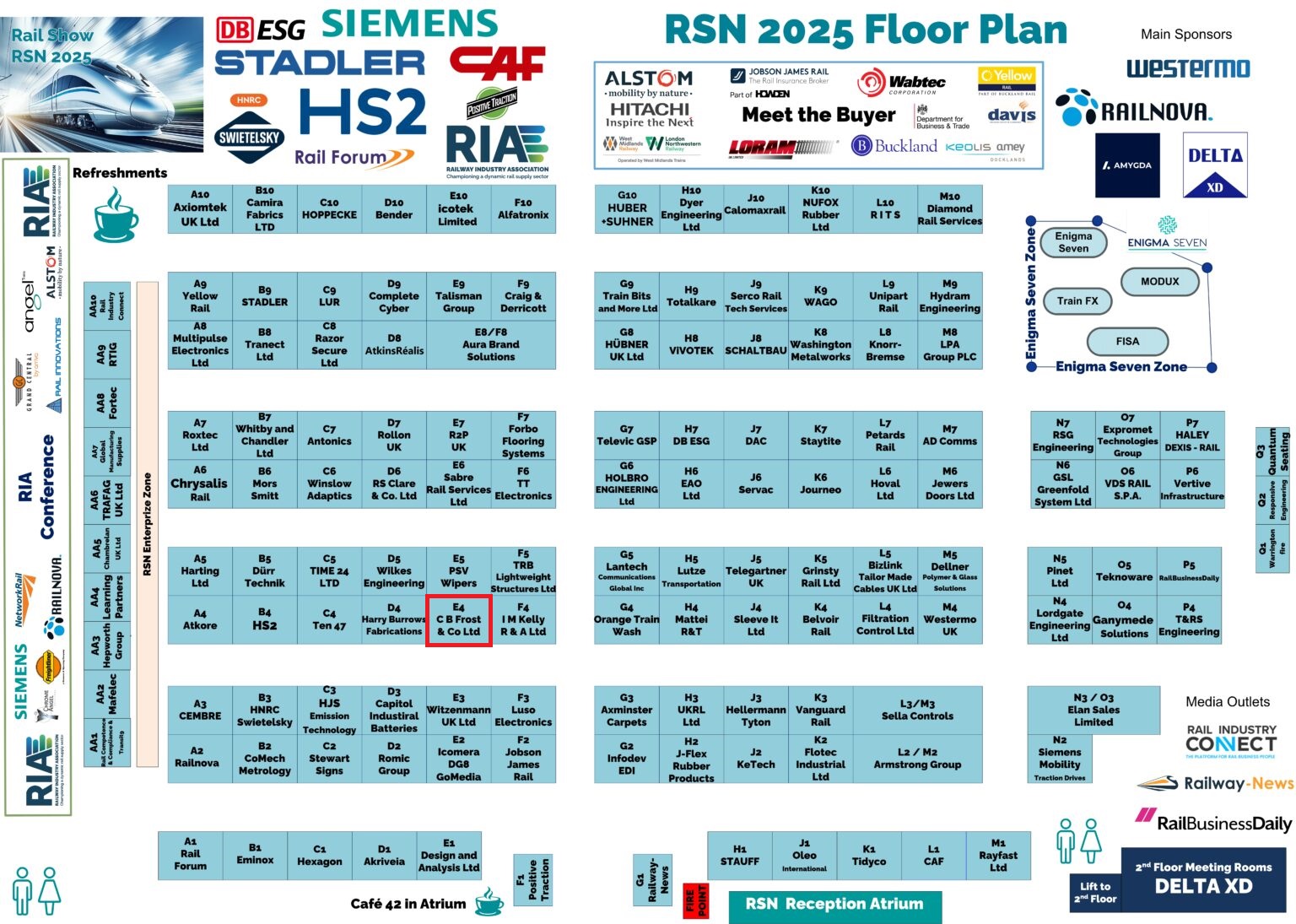
If you are attending the 2025 Rolling Stock Networking show, you can find CB Frost at stand E4. This is a free to attend event, so we look forward to seeing as many people as possible. 

RSN 2025

CB Frost on the road

Following on from RSN 2025, we look forward to attending several other industry events throughout the summer and beyond. 

Find us at the following exhibitions:

10th July – Battery Show Expo – NEC, Birmingham

9th September – DSEI UK 2025 – Excel, London

11th September – ElexShow – CBS Arena, Coventry

18th September – The Emergency Service Show – NEC, Birmingham

9th October – The Engineering Design Show – CBS Arena, Coventry

30th October – Advanced Engineering – NEC, Birmingham

19th November – Light 25 – Business Design Centre, Islington

If you have any queries prior to the RSN show, or any other event we are attending, then please do get in touch with our sales team.

Choosing Your Compound: Choosing Materials for Rubber Mouldings

The effectiveness and longevity of rubber mouldings hinge critically on one fundamental decision: the choice of material used. With a vast array of synthetic and natural rubbers available, each with their own unique properties, selecting the right material for your specific application is essential. The wrong choice can lead to premature failure, compromised performance, and ultimately, increased costs.

At CB Frost & Co, with many years of experience in the rubber and plastics industry, we understand that material expertise is the cornerstone of high-quality rubber moulding. To provide insight into choosing the right materials, below we explore some of the most common rubber compounds, outlining their key characteristics, pros, and cons.

Neoprene Rubber

Neoprene was one of the first successful synthetic rubbers and is one of the most popular choices for moulded components. Known for its balanced properties, moulded neoprene rubber components are suitable for diverse applications.

Pros:

  • Good resistance to weathering, ozone, and UV radiation.
  • Good resistance to oils, and some chemicals.
  • Good abrasion resistance and physical toughness.
  • Performs well over a wide temperature range (-20°C to +70°C).

Cons:

  • Neoprene is not as resistant to extremely high temperatures as some other rubber compounds, such as Silicone.
  • Moderate resistance to aromatic hydrocarbons.
  • Can be more expensive than natural rubber or EPDM for some applications.

With its resistance to oils, chemicals and temperature variations, Neoprene rubber is well suited to moulded automotive parts like hoses, belts, and vibration mounts. Neoprene components are also widely used in industrial seals, seals for doors and windows, and protective gear, due to their resistance to weather, ozone, and UV, along with their flame retardancy.

EPDM Rubber 

EPDM is a standout material for a wide range of outdoor applications due to its range of resistance characteristics

Pros:

  • Excellent resistance to weathering, ozone, and UV radiation, making it ideal for outdoor use.
  • Very good resistance to water, steam, polar solvents, and alkalis.
  • Wide operating temperature range (-30°C to +80°C).
  • Good electrical insulation properties.
  • Grades available with fire resistance and compliance to EN45545-2 and BS6853.
  • Cost-effective for many applications.

Cons:

  • Poor resistance to petroleum-based oils and hydrocarbons.

EPDM rubber mouldings are often the preferred choice for a range of outdoor and high-moisture environments. For example, their exceptional resistance to weathering, ozone, UV radiation, water, and steam makes them well suited to applications like automotive door, window and boot seals. In the construction industry, EPDM mouldings are widely used for roofing parts, expansion joints, and seals for windows and doors. EPDM is also a good electrical insulator, making it suitable for a range of electrical applications.


Natural Rubber

Whilst many synthetic alternatives have been developed, natural rubber remains a popular choice for mouldings due to its excellent physical properties.

Pros:

  • Outstanding tensile strength, tear strength, and abrasion resistance.
  • Excellent elasticity and dynamic properties (good for absorbing vibrations).
  • Good low-temperature flexibility.
  • Relatively low cost.

Cons:

  • Poor resistance to oils, fuels, and many chemicals.
  • Poor resistance to ozone, UV light, and weathering, leading to degradation.
  • Narrower temperature range compared to synthetics engineered for temperature resistance.

With its superior elasticity and excellent physical strength, natural rubber moulded components are commonly found in anti-vibration mounts, bushings and shock absorbers, where their ability to absorb energy whilst maintaining flexibility when exposed to stress is important. Other common applications include seals for water-based systems and industrial components where high tensile strength and tear resistance is vital. It’s important to remember that natural rubber parts are not well suited to outdoor applications, exposure to chemicals, or high temperature environments.

Nitrile Rubber

Nitrile rubber is an ideal choice of material for applications where oil and fuel resistance are vital.

Pros:

  • Excellent resistance to petroleum-based oils, fuels, greases, and hydraulic fluids.
  • Good abrasion and tear resistance.
  • Performs well over a wide temperature range (-20°C to +70°C).
  • Good resilience and compression set.

Cons:

  • Poor resistance to weathering, ozone, and UV radiation.
  • Not suitable for very high temperatures.

For industrial applications where contact with oils, fuels and chemicals must be considered, Nitrile rubber mouldings are a go-to choice. Their resistance to petroleum-based oils, along with fuels, greases and hydraulic fuels makes them ideal for the automotive and aerospace industries. Nitrile O-rings, gaskets, fuel hoses, oil seals and other moulded components are extremely common. The chemical resistance and abrasion resistance of Nitrile also makes Nitrile mouldings well suited to seals for a wide range of machinery.

Silicone Rubber

Silicone rubber stands out for its extreme temperature capabilities and biocompatibility, making it a popular choice for rubber mouldings in various industries.

Pros:

  • Exceptional temperature resistance, with a wide range of -60°C to +230°C.
  • Excellent resistance to ozone, UV, and weathering.
  • Good electrical insulation properties.
  • Highly flexible and elastic, even at extreme temperatures.
  • Chemically inert, making it suitable for medical and food-contact applications (FDA approved grades available).
  • Good compression set.

Cons:

  • Relatively poor abrasion, tear, and tensile strength compared to other rubbers.
  • Limited resistance to steam and some concentrated chemicals.
  • Generally higher cost.

We most often see Silicone mouldings in extreme temperature applications, such as ovens, engines and automotive or aerospace components. Due to the chemical inertness of Silicone rubber moulds, they are well suited to applications within the medical industry, food processing, and baby products.

Making the right choice for your rubber mouldings

Choosing the correct material for your rubber mouldings is a critical engineering decision, requiring a thorough understanding of the intended application, the environmental conditions it will face, and the specific performance requirements. Temperature, chemical, abrasion and flexibility should all be considered.

Our expertise extends beyond just manufacturing; we provide comprehensive material selection advice. By understanding your specific needs, we can recommend the most appropriate material to ensure your rubber mouldings perform to the highest level and provide long-lasting value.

Don’t leave your material choice to chance. Talk to our experienced sales team to discuss your rubber moulding requirements and let our experts guide you to the perfect material choice and finished product.

Rail SD Foam: Preventing Corrosion in Rail Air Ducts and Pipes

HVAC systems play an important role in ensuring safe and comfortable passenger travel on trains. The efficiency of these systems can hinge on the integrity of seemingly minor components such as air ducts and pipes—corrosion within these systems can lead to a wide range of issues, including reduced airflow, temperature inconsistencies and other system inefficiencies. These problems don’t just affect passenger comfort; they can lead to costly repairs. This is why the right material selection is essential when it comes to insulation for rail HVAC system components. Armaflex® Rail SD foam is proven to be a highly effective material for preventing the corrosion of air ducts and pipes.

Rail vehicles often operate in harsh environments, with ductwork and pipework exposed to a range of elements that can lead to corrosion. 

  • Temperature fluctuations and condensation: When warm, moist air comes into contact with cooler surfaces within a HVAC system, this can result in a build up of condensation, particularly on cooling coils, duct walls, elbows, fittings, and flanges, which can lead to corrosion.
  • Humidity: High levels of moisture in the air of enclosed spaces such as rail carriages can be a catalyst for corrosion of HVAC components.
  • Airborne contaminants: Dust, dirt and other airborne particles can deposit on HVAC components as air is circulated. These particles can absorb moisture, which can lead to corrosion of key components.
  • Chemical exposure: When chemically aggressive cleaning agents are used in rail vehicles and carriages, they can contribute to corrosion of metallic HVAC components over time.

This corrosion can lead to the rust, pitting, and weakening of essential components, ultimately impacting the performance and lifespan of the entire system. This is where the unique properties of Rail SD foam come into play.

Rail SD Foam and Thermal Insulation

Armaflex® Rail SD is a closed cell foam material, designed specifically for thermal insulation in the rail industry. Primarily known for its innovative moisture resistance, Rail SD foam is inherently suited to insulation applications for HVAC pipework and ductwork, creating a protective barrier against the elements that commonly lead to corrosion and degradation of components.

Featuring a closed cell structure, and built in vapour barrier, Rail SD significantly limits water absorption, helping prevent moisture from coming into contact with the metal surfaces of HVAC systems, which helps reduce the risk of corrosion. 

As well as creating an effective barrier against moisture, the thermal insulation properties of Rail SD play a key role in preventing condensation. By helping to maintain a more consistent surface temperature of HVAC components, Rail SD foam applications minimise the temperature differentials that cause moisture to form on duct and pipe surfaces. The combination of preventing external moisture ingress and mitigating internal condensation, and preventing the build up of mould and mildew, provides a strong defence against the degradation of HVAC components, and contributes to improved air quality within rail carriages.

EN45545-2 Compliance

Rail SD is compliant with EN45545-2, the European Standard for fire safety in railway vehicles, which adds another essential layer of protection. These extremely stringent regulations ensure that insulation materials feature key properties including low flammability, limited smoke emission, and minimal release of toxic gases in the event that they come into contact with fire.

Whilst EN45545-2 regulations are focused on fire safety, the durability and material integrity needed to meet these standards contributes to a greater resistance to overall environmental degradation, helping to aid the longevity of HVAC systems.

Armaflex® Rail SD Sheeting and Tubing

At CB Frost & Co, we can provide Rail SD sheeting and Rail SD tubing in a range of lengths and thicknesses, as well as converting Rail SD material into a range of bespoke products, including die-cut gaskets, washers and fabrications for insulation and protection of air ducts and pipes, and air conditioning units, to prevent corrosion and condensation.

Material Selection for Rail HVAC Systems

If you are considering insulation materials for protecting air ducts and pipework within HVAC systems for rail vehicles, then Rail SD foam provides an effective solution. By minimising moisture absorption and condensation build up, it helps safeguard the structural integrity and overall performance of HVAC and systems, ensuring reduced maintenance needs, increased efficiency, and ultimately a longer lifespan for rail vehicles. 

To discuss your needs, talk to our experienced sales team today, or to buy Rail SD sheeting directly, visit our online shop.

CB Frost Rolls with the Rail Industry Technology Roadshow

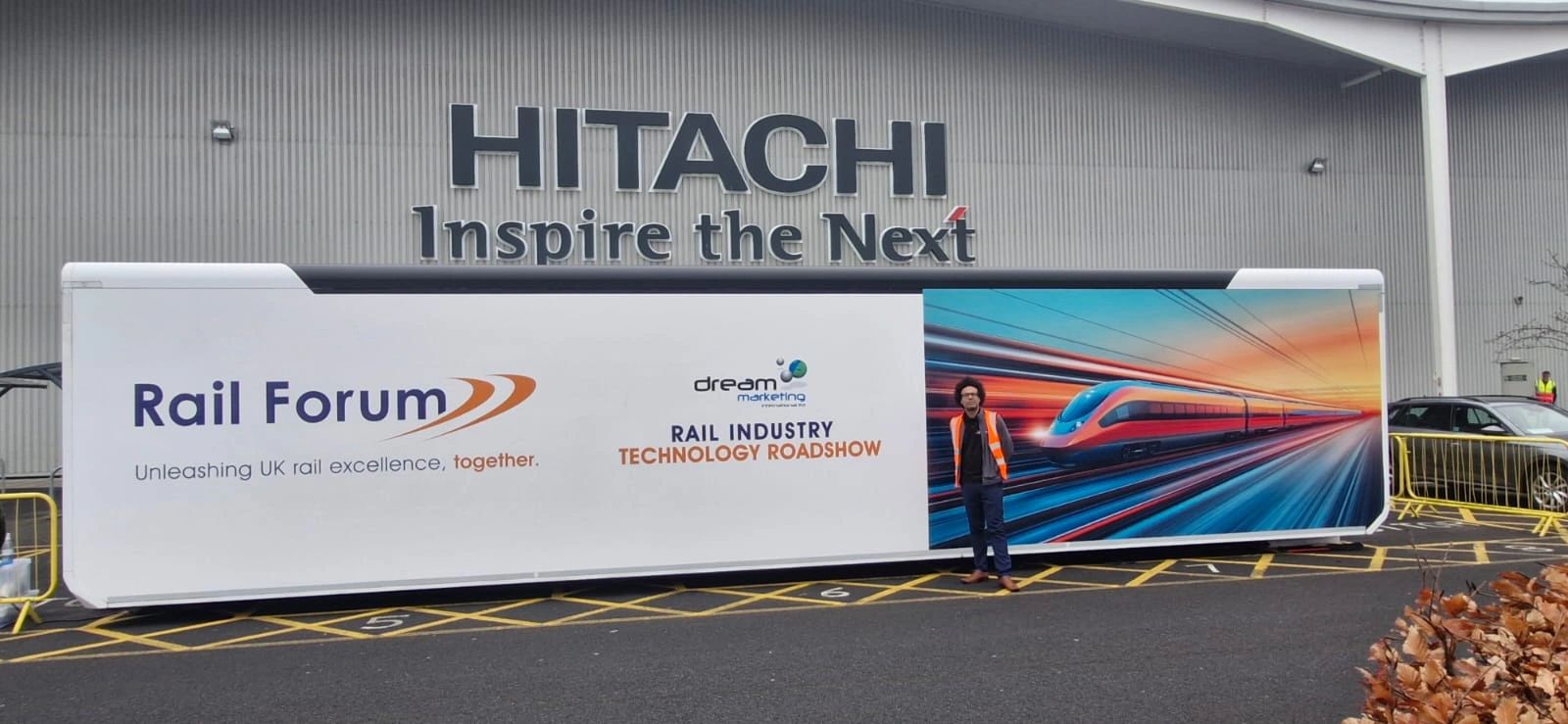
The rumble of rail industry innovation echoed around the UK this March, as the Rail Forum Rail Industry Technology Roadshow took to the roads. Spanning eight busy days, from the 10th to the 21st March, this one-of-a-kind event brought cutting-edge rail solutions directly to the heart of the industry, thanks to a state-of-the-art trailer, transformed into a mobile exhibition space.

Rail Forum Rail Industry Technology Roadshow 2025

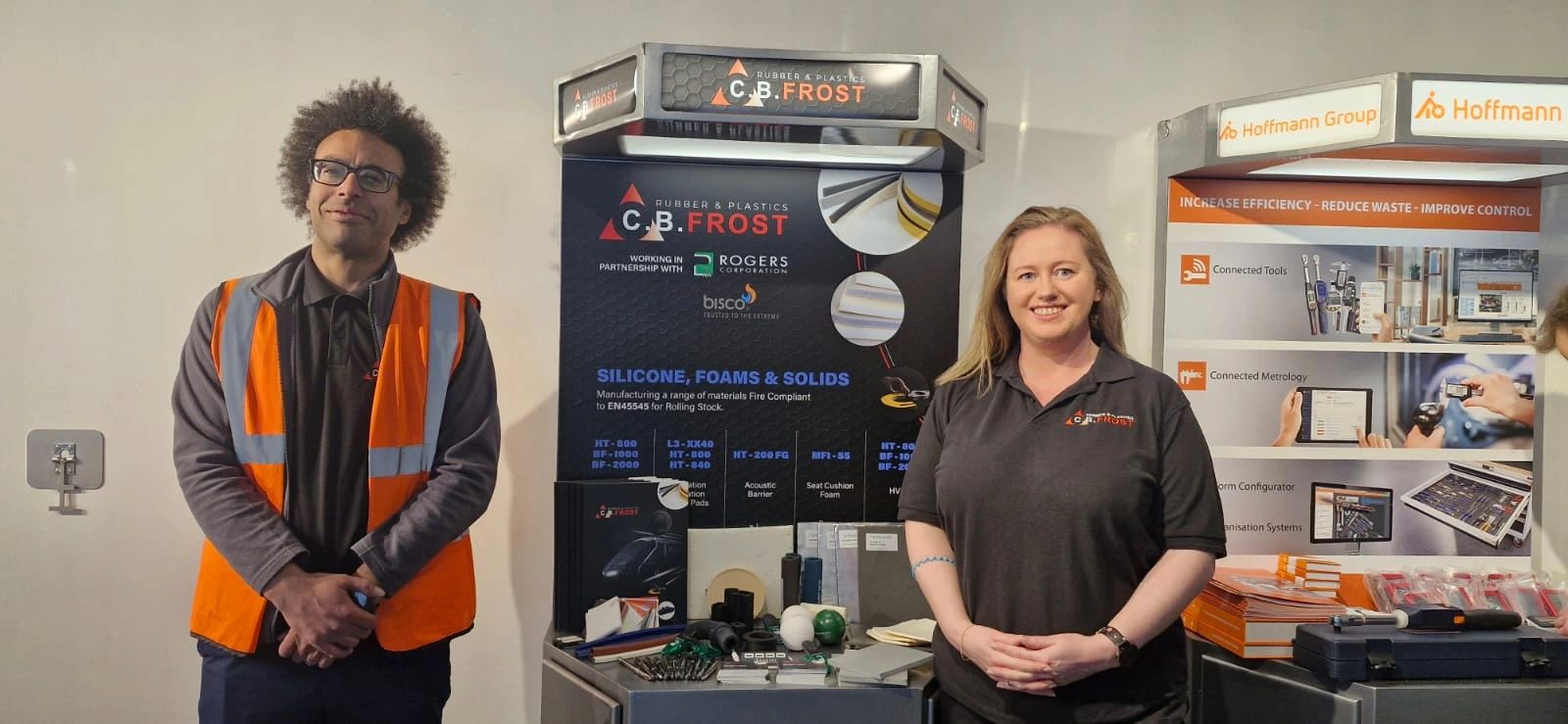
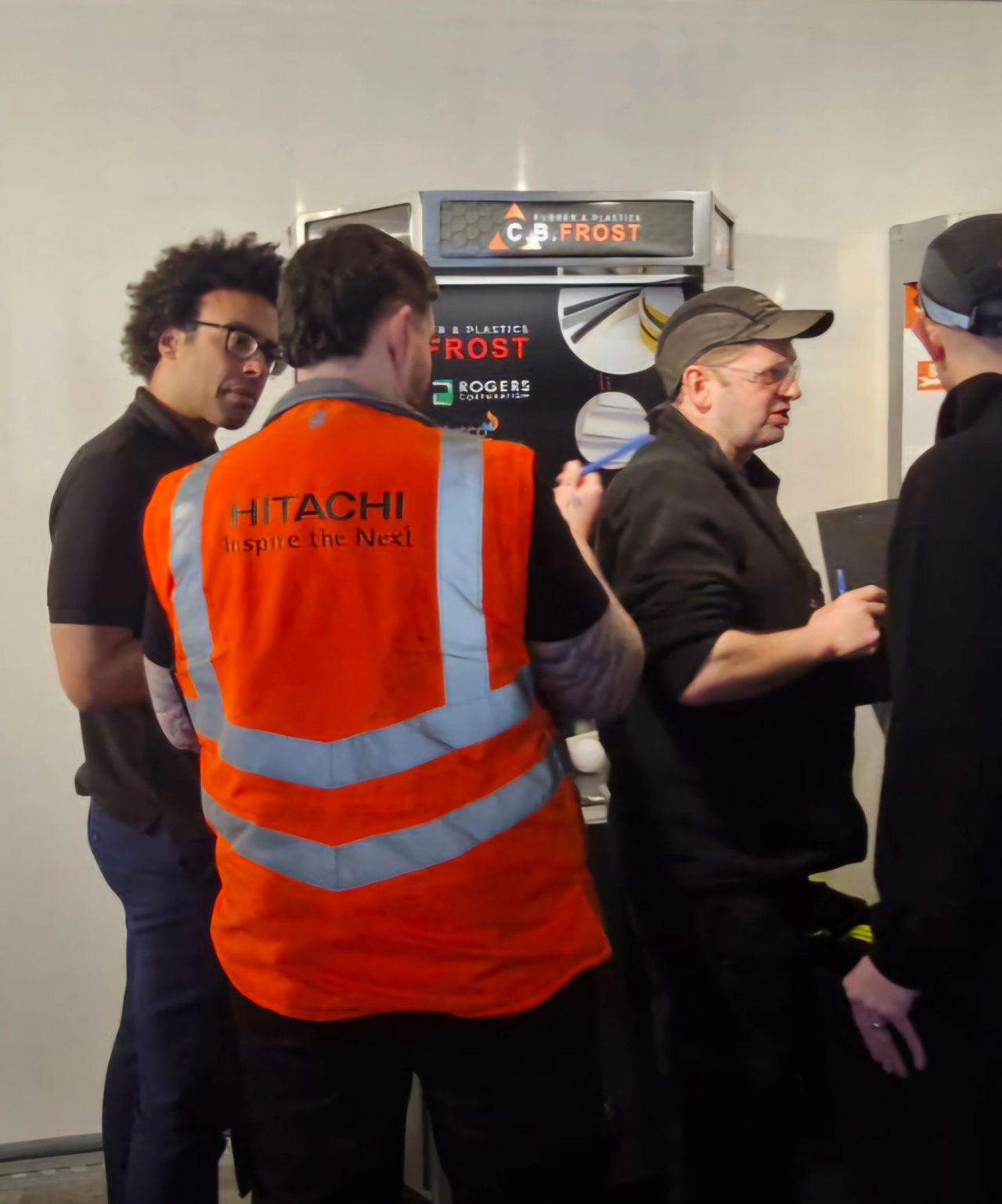
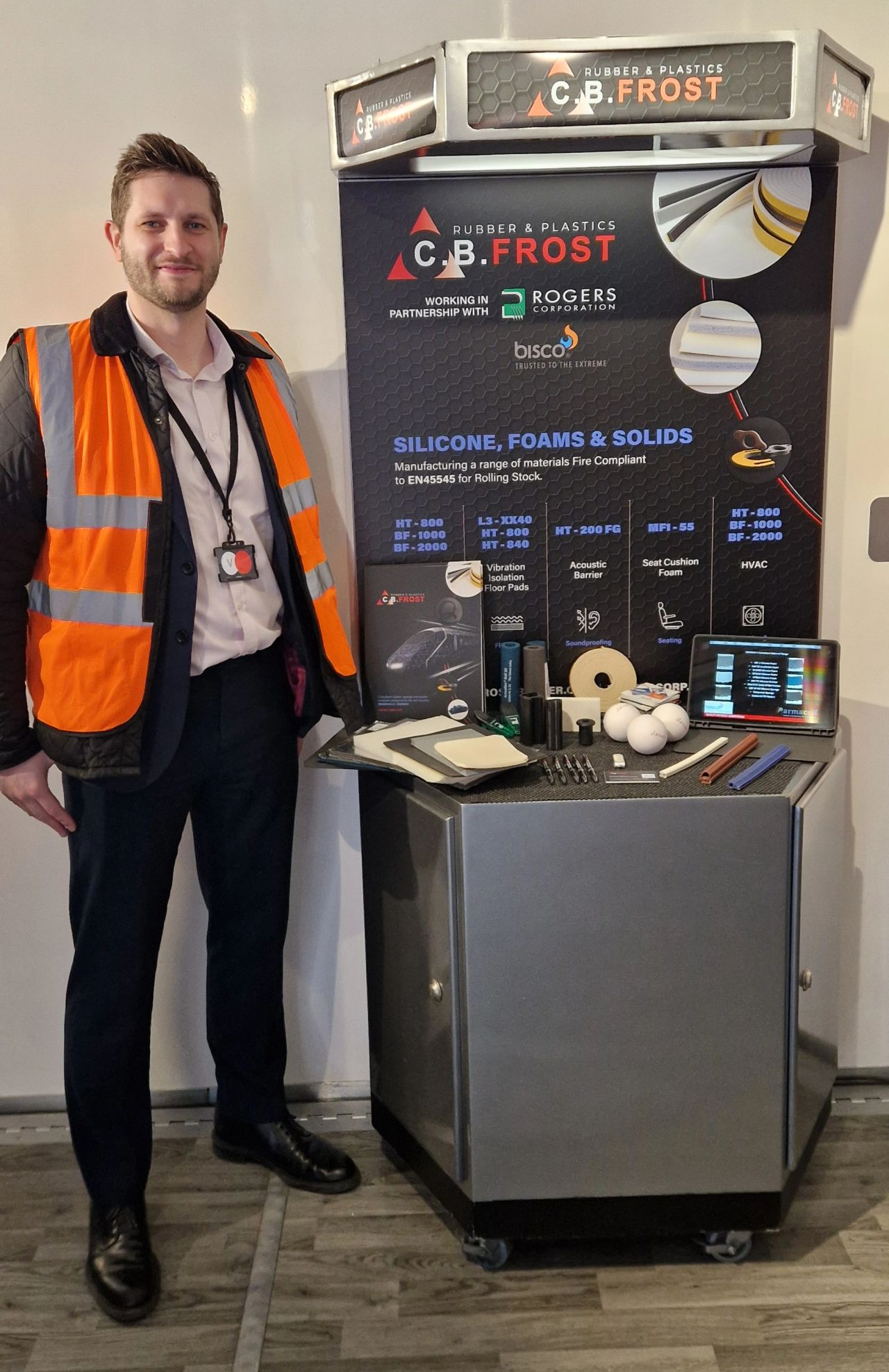
Our sales team was on board for the journey, showcasing our high performance rail materials and manufacturing expertise. Visiting five key rail industry production sites, we had the opportunity to talk to representatives from Hitachi, Alstom, Siemens and Knorr Bremse, along with many visitors seeking to learn more about the latest rail technologies. The 2025 roadshow made stops at the following sites:

10th March – Hitachi – Newton Aycliffe

11th March – Hitachi – Newton Aycliffe

12th March – Hitachi – Doncaster

13th March – Alstom –  Derby

14th March – Alstom – Derby

18th March – Siemens  – Goole

20th March – Knorr Bremse – Melksham

21st March – Knorr Bremse – Melksham

Having exhibited at the roadshow several times, this year’s show was another dynamic and impactful event, providing the opportunity to return to Hitachi Newton Aycliffe and Siemens Goole again, following great success in 2023, and to visit Hitachi Doncaster, Alstom Derby, and Knorr Bremse Melksham for the first time as part of the roadshow.

rail industry technology roadshow

Each time we have been involved with the Rail Forum Technology Roadshow, we have accessed an unparalleled platform to directly engage with key OEMs across the UK. One of the major benefits of this exhibition format is that it brings our solutions directly to the heart of rail production sites. The unique, on-site exhibition space provided by the Rail Forum trailer allows us to showcase our specialised rail expertise and product offerings in an interactive way, fostering meaningful conversations and building relationships with industry professionals and key decision makers. 

Our past experiences at this roadshow have proven invaluable. Our interactions with industry professionals have consistently expanded our network within the rail sector. Crucially, these connections have translated into lucrative contracts, helping to solidify our position as a trusted partner and supplier to the rail industry.

Valuable interactions

As has been the case with all previous Rail Industry Technology Roadshows we have been involved in, this year’s event proved to be an extremely worthwhile experience. CB Frost & Co Business Development Manager, Daniel Brock, highlighted the benefits of direct interactions with the individuals that work with our products on a daily basis.

“As an SME, the Roadshow offers an excellent platform to showcase our manufacturing capabilities and product range to key players within the Rail industry, including site depots. This fantastic and well-organised event allowed CB Frost to engage with over 550 visitors in just two weeks, enabling direct interaction with key decision-makers and the individuals handling our products daily.”

Sales Co-ordinator, Charlotte Homer spoke of the important benefits of hearing first-hand about the needs and preferences of rail industry OEMs.

“Participating in the Rail Roadshow 2025 was an exceptional experience and a fantastic opportunity for us to broaden our network. Engaging with the dedicated professionals allowed us to showcase our products and capabilities effectively. Hearing firsthand how our products resonate with people and understanding their needs and preferences has been truly enlightening.”

Charlotte also talked about the extended reach that the roadshow provides our brand.

“Additionally, this event provided CB Frost with excellent exposure. Overall, the valuable feedback we received and the wonderful people we met have made this event a resounding success. I eagerly anticipate seeing how these relationships will flourish in the future.”

Attending the roadshow for the first time, having joined the CB Frost team in 2024, Sales Engineer Tom Crosby commented on how taking the exhibition directly to rail production sites has led to important connections. 

“The Roadshow was a fantastic opportunity allowing us direct access to key stakeholders that we would have otherwise found a challenge to connect with. I had the pleasure of attending the show during its residence at Alstom Derby where there were some great conversations with both new and old contacts. 

“Throughout the two days you don’t know who could come through the door, but every conversation had exciting potential to be the start of a successful new partnership. I look forward to seeing the development of the new relationships and projects over the coming months and years.”

Supporting UK rail

With 40 years’ experience of supplying the rail industry, and our relationship with Rogers Corporation, we supply an extensive range of EN45545-2 materials, including BISCO® cellular silicones. With our expert knowledge of high performance materials for rail applications and our manufacturing facilities, we convert our specialist rail materials into a wide range of products, including:

  • Die cut gaskets
  • Washers
  • Tape/strip
  • Custom fabrications
  • Rubber mouldings
  • Sponge and rubber extrusions
  • Seat pads
  • Machined plastics

To discuss your rail industry needs, or for advice on material selection, call our sales team today on +44 (0)121 773 8494.