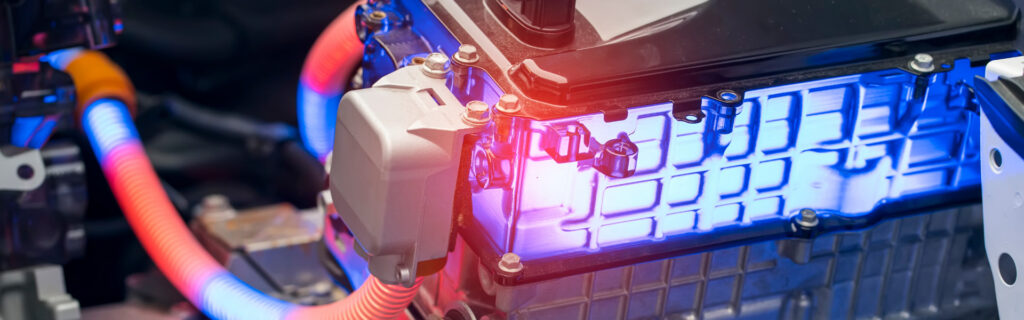





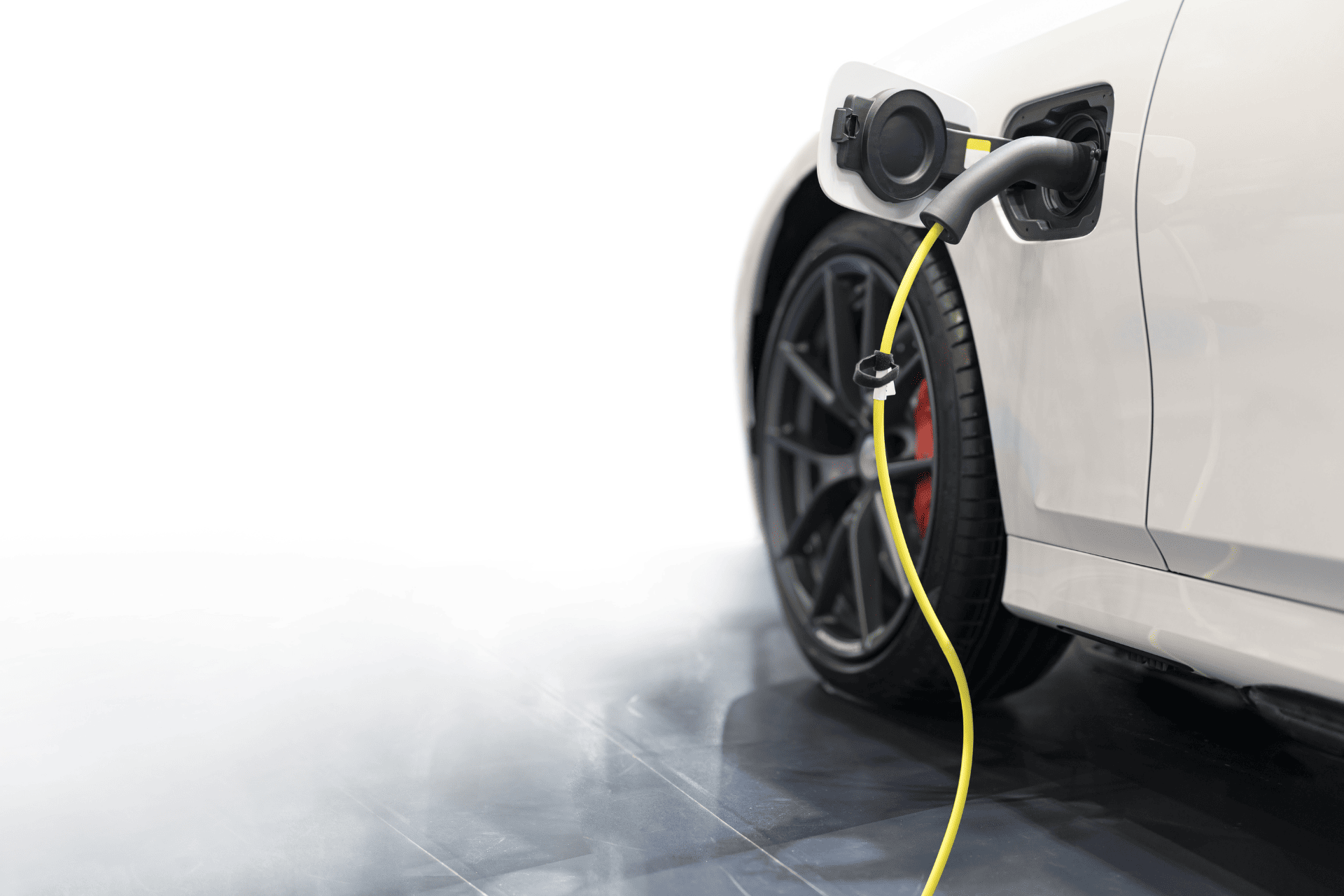
In the rapidly expanding and evolving landscape of electrical vehicles (EVs), one critical aspect that takes centre stage is the thermal management of EV batteries. Teaming up with Rogers’ Corporation, we supply high performance insulation materials to safely manage the temperature of lithium-ion batteries, preventing thermal runaway and propagation.
With the government pledging to meet Net Zero Targets by 2050, the path has been set out for all new cars to be zero emissions by 2035. As a result, we are seeing a considerable drive to grow the electric vehicle market, and in turn, the market for EV batteries. As well as providing sufficient energy for cars to travel the distance, EV batteries also need to provide enough power for a wide range of interior features, including audio, climate control and USB charging ports. As a result, extensive resources must be put into research and development of EV batteries, particular material selection and thermal management.
Thermal Management for Battery Efficiency
Thermal management plays a pivotal role in ensuring the optimal performance, safety, and longevity of electric vehicle (EV) batteries. Electric vehicle batteries generate heat during charging and discharging processes, and maintaining the appropriate temperature range is essential. If the battery becomes too hot or too cold, it can affect output, reducing power output and impacting acceleration, as well as reducing the range the vehicle can travel. Fluctuating temperatures can also lead to accelerated degradation of the EV battery and can even result in safety hazards.
Thermal management systems in EVs are designed to regulate the battery temperature by using cooling or heating mechanisms, but it is also essential that the right materials are chosen for battery components, particularly thermal runaway protection pads.
Thermal Runaway and Propagation
Thermal runaway is a key concern for electric vehicle batteries, relating to the overheating and potential failure of battery cells. This is when a single battery cell within an EV battery pack experiences a rapid increase in temperature, this can lead to a chain reaction where the overheating cell releases gas and heat, causing neighbouring battery cells to heat up and potentially fail. This chain reaction is called thermal propagation, which leads to battery failure and in extreme cases, can lead to fires or explosions.
Thermal Runaway Pads
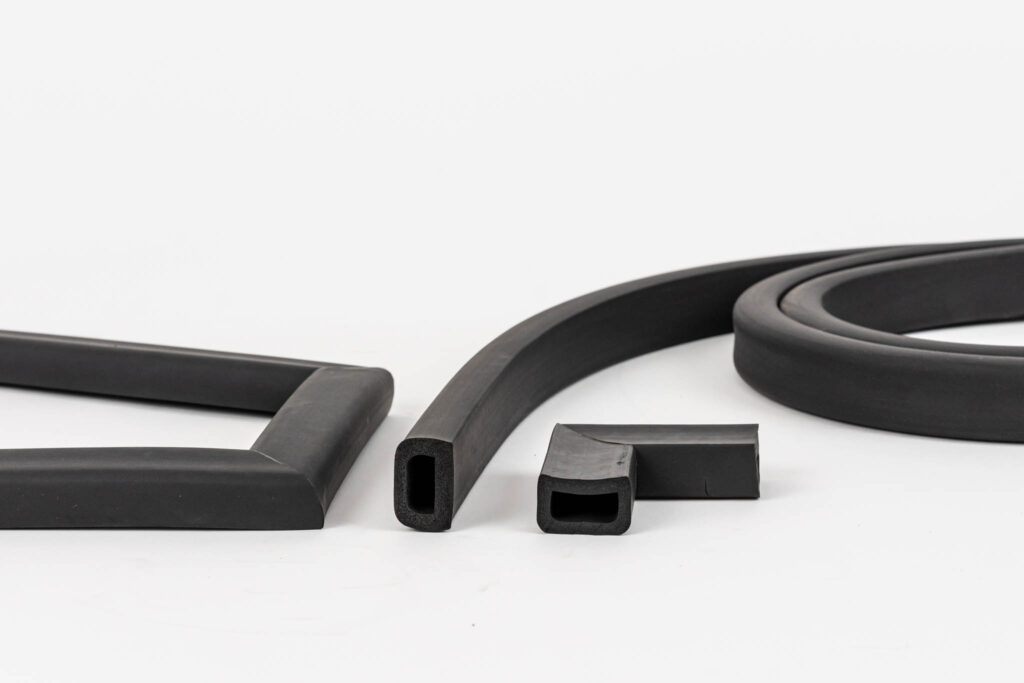
To prevent thermal propagation and increase the safety and lifespan of EV batteries, it’s important to consider how temperature is managed within the battery. Design features such as thermal runaway protection pads are implemented alongside advanced battery management systems to prevent thermal runaway. Thermal runaway pads, also known as thermal propagation protection pads, are an important safety feature designed to mitigate risks associated with thermal runaway and thermal propagation.
These pads are typically made of fire-resistant and thermal insulating materials and are strategically placed within the battery pack to serve as thermal barriers. Their primary purposes are:
- Containment: When a single battery cell experiences thermal runaway and generates excessive heat and gas, the thermal runaway pad acts as a barrier, preventing the heat and gas from spreading to neighbouring cells or modules within the battery pack.
- Isolation: Thermal runaway pads can isolate the affected portion of the battery pack, minimising the extent of the thermal event, helping to prevent thermal propagation.
- Heat Dissipation: While thermal runaway pads primarily contain and isolate the heat, they also facilitate some degree of heat dissipation, reducing the risk of nearby cells reaching dangerous temperatures.
- Fire Resistance: These pads are made from fire-resistant materials, which can delay or prevent the ignition of flammable components in the vicinity of the thermal event.
For this essential battery component, it’s not only important to find a reliable material, but one that effectively fulfils the above requirements, providing fire protection and resisting high and low temperatures. As a partner of Rogers’ Corporation, we are suppliers of their range of PORON® foams, which have excellent flammability and temperature resistance properties to help prevent thermal runaway and delay the burn from one cell to another.

Suitable materials for thermal runaway pads include:
- PORON EVExtend® Material
- ProCell™ EV Firewall Material 350
Whilst advanced battery management systems are essential for monitoring battery cell temperatures to take proactive measures, such as isolating the affected module or pack, choosing the right materials for thermal runaway pads helps prevent the need for such actions, allowing batteries to function at 100% efficiency.
Overall, addressing thermal runaway and propagation is vital for ensuring the safety of EV batteries and preventing failures. Thermal runaway pads are a crucial safety feature for thermal management in EV batteries, helping to reduce the risk of catastrophic thermal events, fires, and explosions.
Effective thermal management not only enhances battery efficiency but also extends the overall lifespan of the battery, ensuring that EVs deliver consistent performance and remain a reliable mode of transportation.
EV Battery Material Selection
For assistance in selecting the right high performance materials for battery components including thermal runaway pads, cooling plate cushion pads, compression pads and battery pack seals, contact CB Frost.
With extensive knowledge of the characteristics and benefits of our extensive range of high performance cellular silicone materials, we will help to ensure you choose the best materials for the safety and efficiency of EV batteries.