Sections

Latest News

News 4 Aug 2026

Die-Cut vs. Waterjet Cut Silicone Gaskets

What’s the best choice for your production run? Selecting the right material is critical for manufacturing high-performance seals, but how...

News 23 Jun 2026

Rolling Stock Networking: Connect with CB Frost at RSN 2026

At CB Frost & Co, we don’t believe in waiting around when a great opportunity knocks. That is exactly why...

Thermal Management: Choosing the Right Material to Prevent Thermal Propagation in EV Batteries

thermal management EV batteries

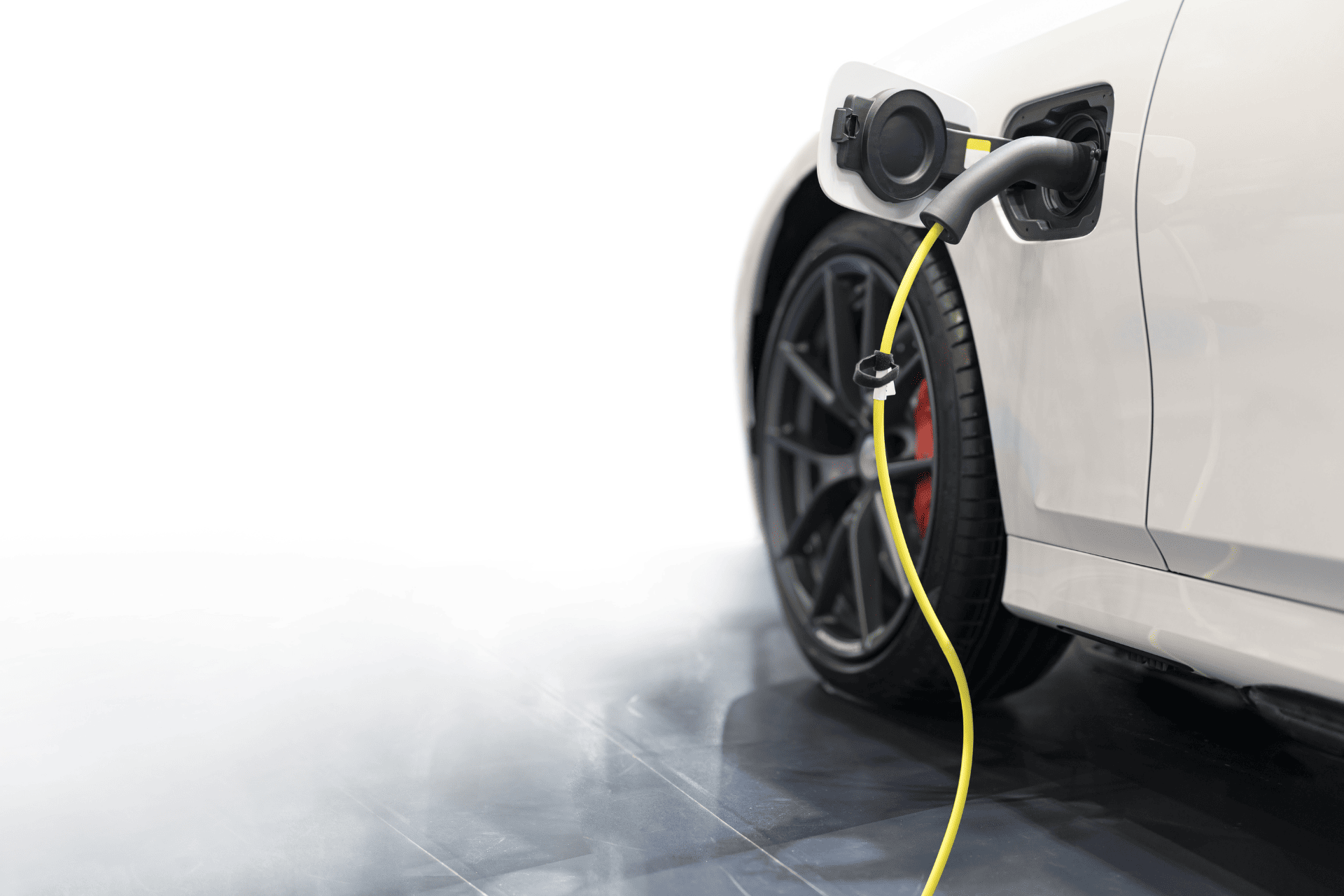
In the rapidly expanding and evolving landscape of electrical vehicles (EVs), one critical aspect that takes centre stage is the thermal management of EV batteries. Teaming up with Rogers’ Corporation, we supply high performance insulation materials to safely manage the temperature of lithium-ion batteries, preventing thermal runaway and propagation.

With the government pledging to meet Net Zero Targets by 2050, the path has been set out for all new cars to be zero emissions by 2035. As a result, we are seeing a considerable drive to grow the electric vehicle market, and in turn, the market for EV batteries. As well as providing sufficient energy for cars to travel the distance, EV batteries also need to provide enough power for a wide range of interior features, including audio, climate control and USB charging ports. As a result, extensive resources must be put into research and development of EV batteries, particular material selection and thermal management.

Thermal Management for Battery Efficiency

Thermal management plays a pivotal role in ensuring the optimal performance, safety, and longevity of electric vehicle (EV) batteries. Electric vehicle batteries generate heat during charging and discharging processes, and maintaining the appropriate temperature range is essential. If the battery becomes too hot or too cold, it can affect output, reducing power output and impacting acceleration, as well as reducing the range the vehicle can travel. Fluctuating temperatures can also lead to accelerated degradation of the EV battery and can even result in safety hazards.

Thermal management systems in EVs are designed to regulate the battery temperature by using cooling or heating mechanisms, but it is also essential that the right materials are chosen for battery components, particularly thermal runaway protection pads.

Thermal Runaway and Propagation

Thermal runaway is a key concern for electric vehicle batteries, relating to the overheating and potential failure of battery cells. This is when a single battery cell within an EV battery pack experiences a rapid increase in temperature, this can lead to a chain reaction where the overheating cell releases gas and heat, causing neighbouring battery cells to heat up and potentially fail. This chain reaction is called thermal propagation, which leads to battery failure and in extreme cases, can lead to fires or explosions.

Thermal Runaway Pads

To prevent thermal propagation and increase the safety and lifespan of EV batteries, it’s important to consider how temperature is managed within the battery. Design features such as thermal runaway protection pads are implemented alongside advanced battery management systems to prevent thermal runaway. Thermal runaway pads, also known as thermal propagation protection pads, are an important safety feature designed to mitigate risks associated with thermal runaway and thermal propagation.

These pads are typically made of fire-resistant and thermal insulating materials and are strategically placed within the battery pack to serve as thermal barriers. Their primary purposes are:

  1. Containment: When a single battery cell experiences thermal runaway and generates excessive heat and gas, the thermal runaway pad acts as a barrier, preventing the heat and gas from spreading to neighbouring cells or modules within the battery pack.
  2. Isolation: Thermal runaway pads can isolate the affected portion of the battery pack, minimising the extent of the thermal event, helping to prevent thermal propagation.
  3. Heat Dissipation: While thermal runaway pads primarily contain and isolate the heat, they also facilitate some degree of heat dissipation, reducing the risk of nearby cells reaching dangerous temperatures.
  4. Fire Resistance: These pads are made from fire-resistant materials, which can delay or prevent the ignition of flammable components in the vicinity of the thermal event.

For this essential battery component, it’s not only important to find a reliable material, but one that effectively fulfils the above requirements, providing fire protection and resisting high and low temperatures. As a partner of Rogers’ Corporation, we are suppliers of their range of PORON® foams, which have excellent flammability and temperature resistance properties to help prevent thermal runaway and delay the burn from one cell to another.

EV battery components

Suitable materials for thermal runaway pads include:

  • PORON EVExtend® Material 
  • ProCell™ EV Firewall Material 350

Whilst advanced battery management systems are essential for monitoring battery cell temperatures to take proactive measures, such as isolating the affected module or pack, choosing the right materials for thermal runaway pads helps prevent the need for such actions, allowing batteries to function at 100% efficiency.

Overall, addressing thermal runaway and propagation is vital for ensuring the safety of EV batteries and preventing failures. Thermal runaway pads are a crucial safety feature for thermal management in EV batteries, helping to reduce the risk of catastrophic thermal events, fires, and explosions. 

Effective thermal management not only enhances battery efficiency but also extends the overall lifespan of the battery, ensuring that EVs deliver consistent performance and remain a reliable mode of transportation.

EV Battery Material Selection

For assistance in selecting the right high performance materials for battery components including thermal runaway pads, cooling plate cushion pads, compression pads and battery pack seals, contact CB Frost.

With extensive knowledge of the characteristics and benefits of our extensive range of high performance cellular silicone materials, we will help to ensure you choose the best materials for the safety and efficiency of EV batteries.

Common Challenges in Rubber Gasket Applications and How to Address Them

rubber gasket

In the world of sealing solutions, rubber gaskets stand as stalwart defenders against leaks, environmental factors, and mechanical stresses. Their flexibility, resilience, and reliability make them indispensable components across a wide spectrum of industries, from automotive to aerospace, manufacturing to medicine and everything in between. Yet, even the most robust rubber gasket can face challenges in their applications which can lead to compromised performance and costly consequences. This is why selecting the most suitable grades of rubber is vital.

In this article, we will shine a spotlight on some of the most common issues that rubber gaskets encounter in their mission to cushion and seal. Whether you are a seasoned engineer, or just curious about the best gasket materials for a product or project you have in mind, read on to find out more about challenges with compression set, chemical compatibility, and other problems preventing gaskets from functioning effectively.

Common Factors Affecting Rubber Gasket Applications

Compression Set


Compression set measures a rubber material’s ability to recover its original shape and thickness once compressive force is removed. For many gaskets that see cyclical compression and relaxation as machinery operates, a low compression set is important for ensuring a long lifespan and reducing the likelihood of gasket failure. This is because gaskets with low compression set return to their original shape and density when being compressed, allowing for a tight seal.

For some gasket applications, a material with a high compression set is required, particularly if the gasket will fit between two separate parts that are attached and firm, durable material is needed. High compression set materials are therefore less flexible, which may result in a loss of sealing effectiveness over time. Gaskets with a high compression set may need frequent replacement or adjustment to maintain an effective seal.

Gasket materials with good compression set characteristics (dependent on grade) include:

  • Neoprene rubber
  • Commercial rubber
  • EPDM rubber
  • Silicone rubber

Chemical resistance

Exposure to chemicals can result in significant challenges for gasket applications, so it’s vital to choose rubber materials with excellent chemical resistance. One of the primary challenges faced by rubber gasket applications is that chemicals can cause the rubber to degrade over time. Chemically aggressive substances can break down the molecular structure of the rubber and compromise its integrity, whilst chemicals may also cause rubber to soften, swell, harden or become brittle and cracked.

As gaskets degrade, there is an increased risk that they will lose the ability to maintain a reliable seal, resulting in leaks, which can be extremely detrimental in applications where sealing is critical. Exposure to chemicals can significantly shorten the lifespan of rubber gaskets when an appropriate grade of rubber is not selected.

Rubber materials with a high resistance to chemicals (dependant on grade) include:

  • Silicone rubber
  • Neoprene rubber
  • Nitrile rubber
  • EPDM rubber

Extreme temperature resistance

Exposure to extreme temperatures can significantly impact the performance and longevity of rubber gaskets when materials without the required level of temperature resistance are not used. 

At extremely low temperatures, rubber materials can lose flexibility, harden and become more rigid. This loss of flexibility can lead to considerably less effective sealability, as the gasket may no longer conform to the mating surfaces that it is designed to seal, therefore resulting in leaks.

In contrast, gaskets exposed to extremely high temperatures may soften or even melt. As rubber materials soften, they lose their structural integrity and sealing ability, which may cause severe damage to equipment or even pose safety risks.

Fluctuations between hot and cold temperatures can also pose problems for some rubber materials. When gaskets are exposed to thermal cycling, switching from hot to cold and vice versa, this can cause them to repeatedly expand and/or contract, leading to gasket fatigue and making cracks and sealing failure much more likely.

Extreme temperatures can also affect the compression set of gasket materials, reducing their ability to recover to their original shape after compression. Gaskets can therefore be permanently deformed, leading to a compromised seal.

Gasket materials compatible for use with high temperature include:

  • Silicone rubber
  • HNBR
  • FKM (Viton ®)

Gasket Material Selection

At CB Frost, in addition to manufacturing rubber gaskets, we also stock and supply an extensive range of rubber, synthetic rubber and plastic materials to suit practically any application. If you are unsure on which gasket materials to choose for each application, our experienced sales team is on hand to discuss your requirements and help you select the material grade with the ideal characteristics for the conditions your gaskets will be exposed to.

If you need assistance in gasket material selection, contact us today.

Changes at CB Frost – A Look Back at 2023

changes at CB Frost


As the end of the year approaches, as well as looking forward to the new year, we always like to take the opportunity to look back on the key events of the past year. 2022 was an important year of changes at CB Frost as we entered the electric vehicles market and developed a range of products for the EV/HEV batteries. 2023 also proved to be another eventful year, with an increased number of events to exhibit at, along with welcoming new members to the CB Frost team.
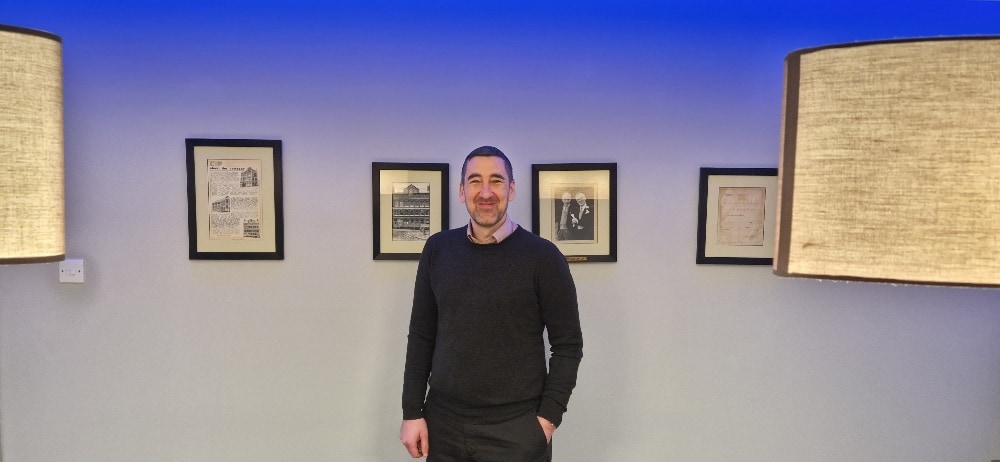
Elliot Beech Joins CB Frost as Sales Engineer

As a company committed to constant growth and development, we were delighted to welcome Elliot Beach to our sales team early this year. With over two decades of sales experience, Elliot has proved to be an excellent fit.

We had been seeking to bolster our sales team for some time, and it had proven quite difficult to find the right person, however, after meeting with Elliot, it was clear that he was the right person.


Elliot Beach Sales Engineer


Success at the Rail Industry Technology Roadshow

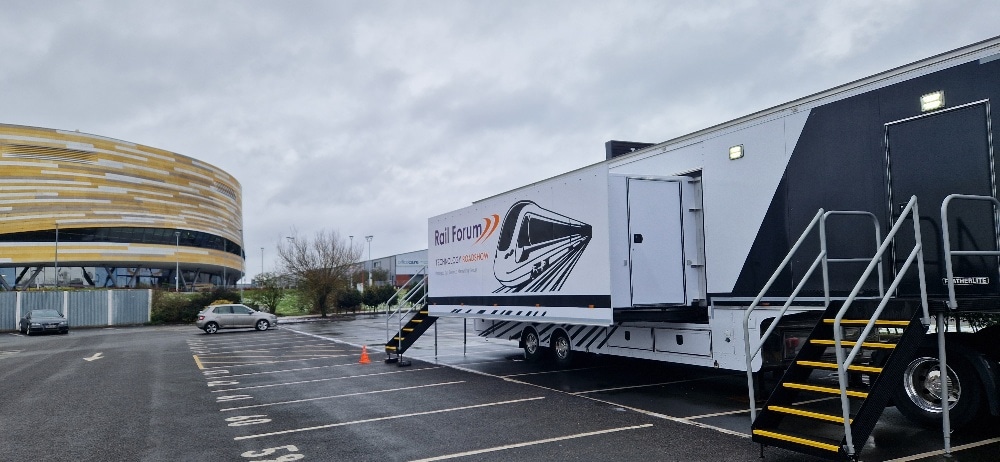
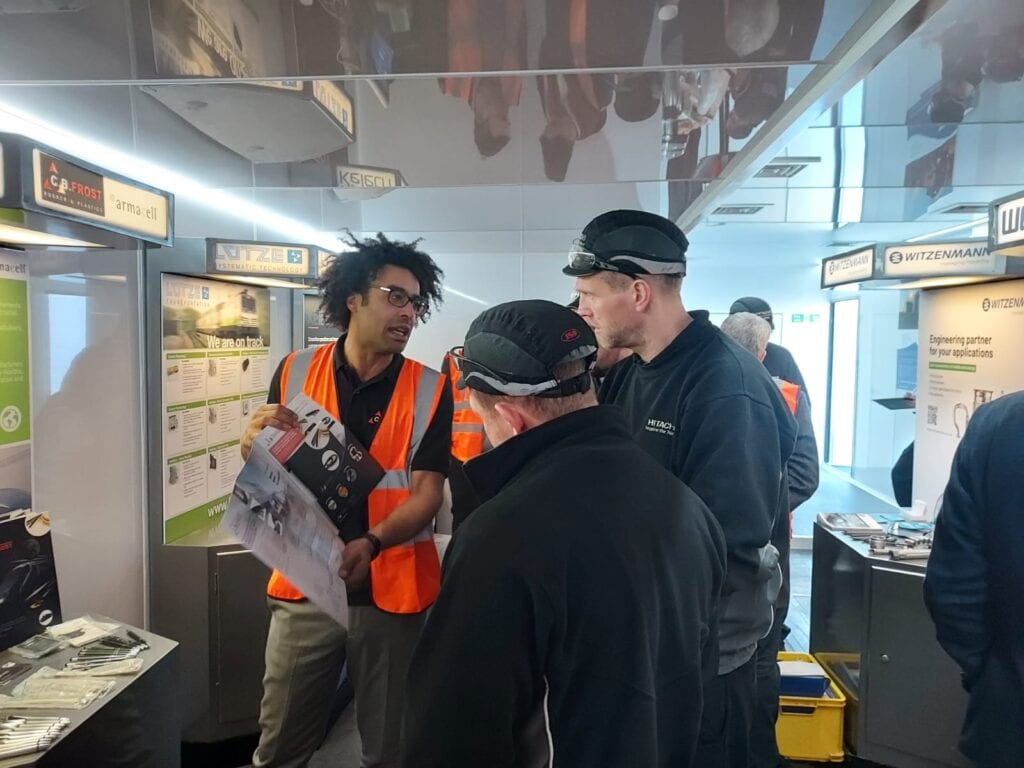
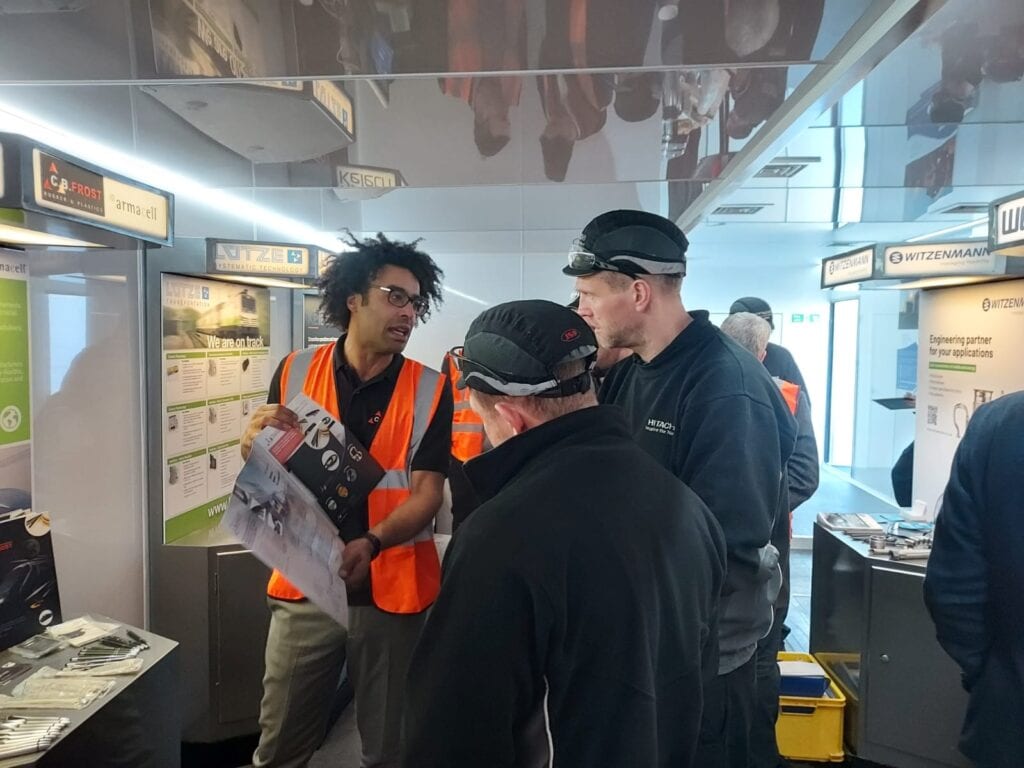
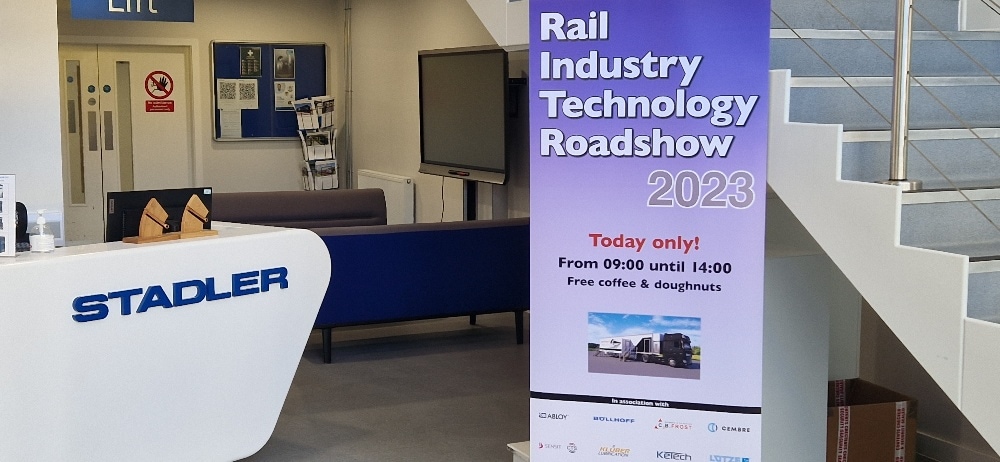
In March, the Rail Industry Technology Roadshow returned after a 3 year absence. The event, spanning two weeks and taking place on a travelling, state of the art trailer/exhibition space, included a number of events at rail industry sites around the country. 

In addition to closed events specifically for rail industry site staff, this year’s roadshow included open events where members of the public were invited to attend. During a public event at Siemens, Goole, our Business Development Manager Daniel Brock was interviewed on BBC Radio Humberside, which you can read more about here.


rail industry technology roadshow


Samco 70 Series Beam Press

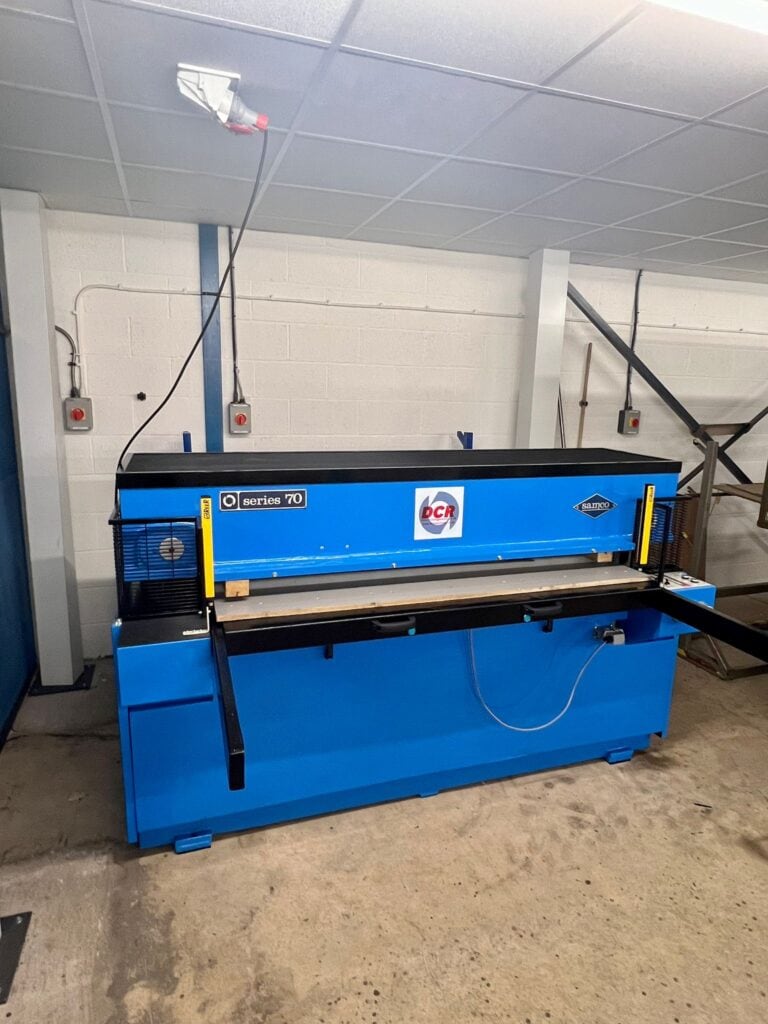
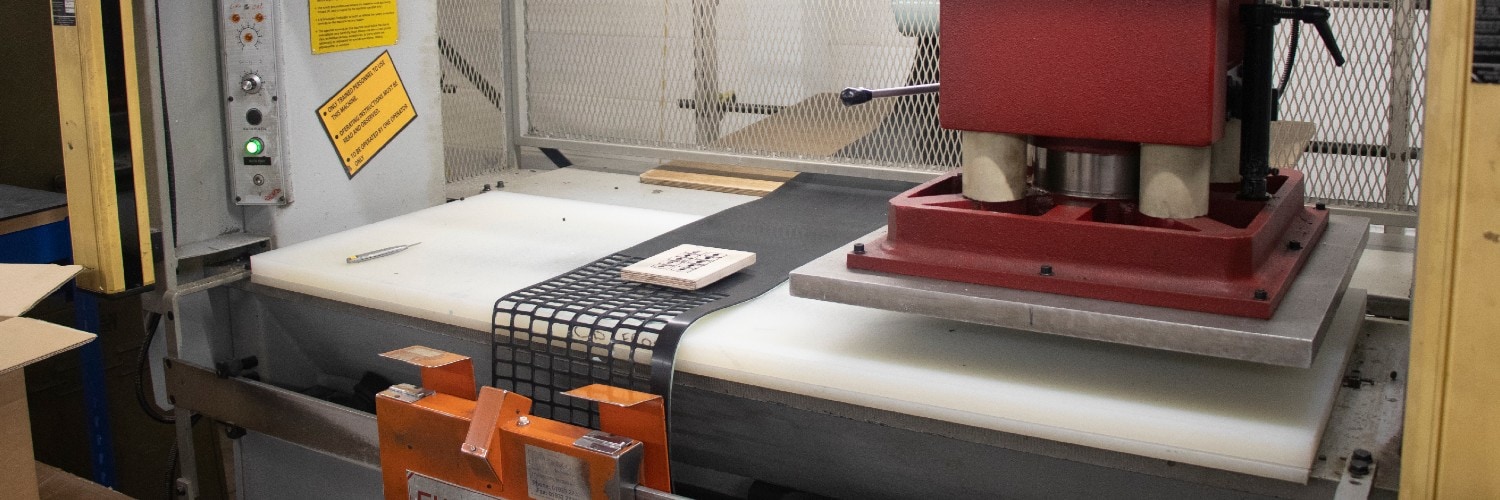
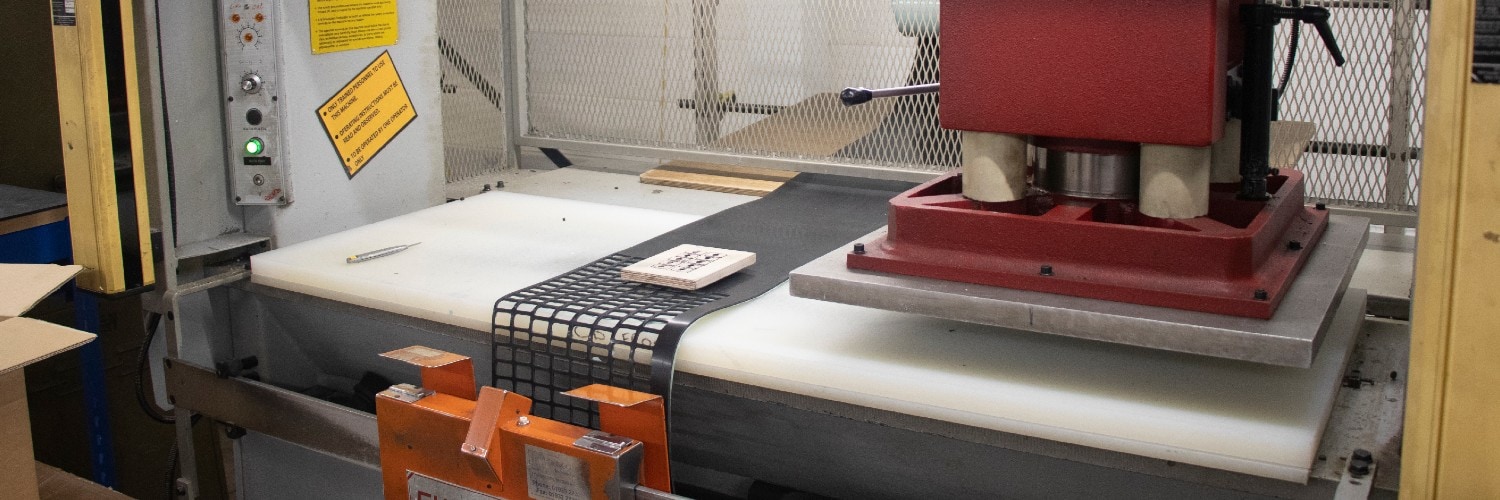
In the spring, we added a new cutting press to allow us to produce larger gaskets in a shorter time period, allowing us to provide better lead times and pass on savings to our customers. 

Introducing the Samco 70 series beam press to our gasket cutting facilities has allowed us to increase our production capacity at all times, providing us with more choice over which cutting press will be used for each production run. With our new press delivering excellent results in lower volumes of larger sized gaskets, our high speed cutting press is available for high volume production runs.


gasket cutting press


A Lucrative Rail Industry Contract

Successful connections made at this year’s Rail Industry Technology Roadshow directly led to a new £120k manufacturing contract to supply machined parts to a rail OEM. 

Having had fruitful experiences at the Rail Industry Technology Roadshow in 2019 and 2023, we are very pleased to be signed up to exhibit again in 2024.


rail industry


Our New Tool Room

Whilst die cutting is a key part of our business, until this year, our die cutting formers had long been supplied by Flexi-formes. When the ownership of Flexi-formes decided to retire, we took the opportunity to build a tool room on site at CB Frost. In addition to purchasing some of the machinery from Flexi-formes, we also welcomed John Mayo to our team. Having worked for Flexi-formes for over 35 years, John has brought tremendous knowledge and skill in manufacturing cutting formes to suit the wide variety of materials and cutting presses we work with at CB Frost.

By bringing our tooling manufacturing processes in house, we can now deliver even faster lead times for gaskets, washers and other die cut products. 


die cutting formes


After a fantastic year of changes at CB Frost in 2023, we are now full steam ahead into the future and planning for another fruitful year in 2024. Technologies develop fast and industry trends are always changing, so as always, we will work tirelessly to deliver the best possible products and services to our customers.

To discuss your future products or projects and how we can help you, please do get in touch with our sales team.

Silicone Rubber Strips, Sheets and Gaskets – Pros and Cons

With its unique properties and versatility, silicone rubber has revolutionised numerous industries. From automotive and aerospace to healthcare and electronics, silicone rubber has become a go-to choice for manufacturers seeking a high-performance material. With its exceptional durability, heat resistance, and flexibility, silicone rubber strips, sheet material and gaskets offer a wide range of benefits that make it suitable for diverse applications.

silicone rubber strips

Silicone rubber is an elastomer, formed through a curing process. It starts as a gel-like material consisting of silicone polymers, carbon, hydrogen and oxygen, before it is exposed to a curing process to convert into a solid, rubber-like material. There are different curing systems used, such as platinum-based curing, condensation curing and peroxide curing. The specific curing process used depends on the desired properties of the silicone rubber and the applications it will be used for. 

Whilst there are many advantages to selecting silicone rubber, it does have certain limitations for some uses. If you are looking for the right material to choose for a certain application, read on to explore the key characteristics of silicone rubber and its pros and cons for different industrial applications.

Conversion into silicone rubber sheet, silicone rubber strips and gaskets

One of the key advantages of this elastomer is that it can be converted into many different products. In addition to rubber sheet material, silicone sheeting can be cut into silicone rubber strips and gaskets for use in a wide range of applications. In addition to cutting, silicone rubbers can also be moulded, extruded and fabricated to manufacture a range of 3D products.

Excellent sealing capabilities

Silicone is an excellent sealing material as it is extremely flexible, with high tensile strength. Whereas rigid gasket materials can break under repeated stress, silicone rubber maintains excellent elasticity, maintaining its desired shape and continuing to function optimally.

Silicone rubber is not only a highly flexible material, it maintains this characteristic when exposed to a range of different conditions, making it an ideal sealing material. One of its key benefits is that it has very good thermal stability, withstanding temperatures as low as -60℃ and as high as 230℃.

As well as excellent temperature resistance, silicone also performs well under exposure to ozone and UV, and has a high level of resistance to water, along with chemicals and oils. When you consider the above characteristics, it is understandable why it is commonly chosen for use in automotive, aerospace and outdoor applications, where resistance to varying temperatures, environmental exposure and various liquids and chemicals is vital.

FDA and WRAS approved

Silicone rubber is an inert material and can undergo a range of different sterilisation processes, making it an ideal material for medical, food and engineering purposes where sterile conditions are crucial. In addition to being FDA approved for use with food, silicone is also WRAS approved for use with drinking water.

The disadvantages of silicone rubber materials

Whilst silicone is highly versatile due to its many advantages, it does have some limitations. Firstly, whilst highly flexible, some grades of silicone exhibit poor tear strength compared to other elastomers. For applications in abrasive environments, with high levels of mechanical stress, silicone may not be the best suited gasket or sealing material. However, it’s important to consider that advancements in silicone technology have led to the development of grades with higher tear resistance.

Another potential con of choosing silicone is that it can be quite costly compared with natural rubber and other elastomers. Whilst choosing silicone rubber may be costly in large quantities, it’s important to weigh up these costs against the many advantages that the material brings.

Silicone Manufacturers

If you have questions about silicone rubber strips or sheet material, or are seeking advice on material selection, contact our experienced team today. We are here to provide advice on the best materials for each application, along with the best suited manufacturing methods.

Why Nitrile Rubber is a Versatile Gasket Material

nitrile rubber

Nitrile rubber, also known as nitrile butadiene rubber, acrylonitrile butadiene rubber, Buna-N or NBR, is a highly versatile material that has gained popularity as a gasket material in various industries.

A copolymer of butadiene and acrylonitrile, the chemical and physical characteristics of the material depend on the composition of nitrile, meaning that the properties of the material can be customised in order to make the material more suitable for a wide range of applications. For example, the higher the nitrile content, the greater the resistance to oils, fuels and other petroleum-based fluids. 

Selecting Nitrile Rubber

The ability to adjust the composition of nitrile has led to it being one of the most commonly used elastomers in the gasket manufacturing and sealing industry. With its unique properties, nitrile butadiene rubber is a widely used gasket material in the automotive, aeronautical, marine and military sectors. Its exceptional resistance to fuels and oils makes it ideal for gaskets, seals and grommets that come into contact with fuels and oils, where other rubber materials fail. In addition to resistance to oils and fuels, nitrile’s ability to withstand a wide range of temperature (from -20 to 100°C) makes it a preferred choice for applications where the material may be exposed to extreme cold or heat.

Nitrile rubber is suitable for conversion into various products. Nitrile rubber sheeting can be cut into strips, gaskets, O-rings, oil seals and hydraulic seals, whilst commercial grade nitrile can also be moulded into a range of gasket and sealing products and extruded for applications such as cable jacketing and printer’s form rollers.

Other key benefits of selecting nitrile rubber are that it features a low compression set, high tensile strength, excellent tear resistance and high abrasion resistance.

nitrile rubber

Limitations and Alternatives

Whilst nitrile butadiene is a highly versatile material, it’s important to be aware of the limitations that mean it is not suitable for certain applications. Nitrile does not react well to ozone, UV and weather conditions in general, so for sealing applications where there is long term exposure to outdoor conditions, it is incompatible as a gasket material. 

For applications where a good resistance to oils, fuels and chemicals is required, but resistance to ozone, UV and elements is also crucial, neoprene rubber provides a suitable alternative material in many cases. Also known as Chloroprene, neoprene is a solid rubber with excellent strength and abrasion properties, combined with fantastic resistance to oils and chemicals, weather conditions in general, and temperatures ranging between -20 and 80°C. Like nitrile rubber, neoprene can also be manufactured into a wide range of products, including gaskets, washers and strips, as well as fabricated parts.

Nitrile Rubber Sheeting

At CB Frost, we can supply nitrile rubber in rolls or sheets of thicknesses ranging from 1mm to 6mm as standard. Depending on your requirements we can also supply nitrile in a selection of different grades, so if you require material to food grade specifications, or to comply with BS2751 (British Standard), we can help.

With our inhouse manufacturing capabilities, we can convert nitrile rubber sheeting to a wide range of products:

  • Gaskets
  • Strips
  • Washers
  • Fabrications
  • Extrusions
  • Mouldings

If you have further questions about the properties of nitrile or would like assistance in selecting the right gasket materials, contact CB Frost today. With our material knowledge and experience in manufacturing rubber products for all industries, combined with our in house tooling manufacturing capabilities, we are your one stop shop for nitrile rubber sheeting and gasket material.

Why Neoprene Rubber is So Widely Used in Industry

Whilst we supply and manufacture an extensive range of rubbers and polymers, one of the most frequently requested materials is Neoprene rubber. 

Neoprene rubber

Neoprene Is the trade name for Polychloroprene rubber or Chloroprene. It is a synthetic rubber material, initially developed as a cost-effective substitute for natural rubber, and is a highly versatile material that is extensively used in various industries. With its impressive array of use properties, Neoprene has proved to be an indispensable choice for a wide range of applications. 

Dating back to the 1920s, Neoprene was developed by Arnold Collins, an American Chemist working for the DuPont research group. Following the considerably increased demand for natural rubber following the First World War, Collins worked to create a cheaper alternative to meet this demand, which led to the discovery that the polymerisation of chloroprene resulted in a strong, versatile material providing the same useful characteristics of natural rubber.

Like all polymer materials, there are a range of advantages and disadvantages of using Neoprene, but the pros much outweigh the cons column, which explains why it is used for so many different applications that we see every day.

neoprene rubber

Why choose Neoprene?

Neoprene is one of the most popular materials for industries such as Automotive, Construction, Electrical, Manufacturing and Sportswear due to its exceptional properties and versatility. Here are some of the most important reasons why Neoprene is widely used and the applications it is utilised for:

  1. Chemical Resistance: Neoprene rubber exhibits excellent resistance to oils, chemicals, and acids, making it suitable for applications in industries such as automotive, manufacturing, and construction.
  2. Weather Resistance: Neoprene rubber is highly resistant to weathering, ozone, and UV radiation. It can withstand extreme temperatures, making it ideal for outdoor applications and environments with varying weather conditions.
  3. Waterproofing: Neoprene rubber has inherent water-resistant properties, making it a preferred choice for applications that require sealing, gaskets, or waterproofing, such as in marine equipment, wetsuits, construction and electrical enclosures.
  4. Durability: Neoprene is known for its durability and long lifespan. It can withstand physical abrasion, tearing, and flexing, making it suitable for heavy-duty applications that require resilience and longevity. It provides an effective gasket material for many manufacturing processes that require strength and durability to withstand constant use and exposure to extreme environments.
  5. Flexibility and Elasticity: Neoprene maintains its flexibility and elasticity over a wide temperature range, allowing it to conform to irregular shapes and provide excellent sealing capabilities.
  6. Shock Absorption: Neoprene rubber has good shock-absorbing properties, making it useful in applications that require vibration isolation or cushioning, such as in sports equipment, footwear, and automotive components.
  7. Flame Resistance: Neoprene rubber exhibits self-extinguishing properties and resists the spread of flames, making it a preferred material in industries that prioritise fire safety, such as aerospace and electrical.
  8. Adhesive Compatibility: Neoprene rubber has good compatibility with various adhesives, allowing for easy bonding to different substrates, including metals, plastics, and fabrics. Neoprene is well suited for Neoprene rubber strips, cut from Neoprene rubber sheet, which can be adhesive backed to suit a wide range of sealing, vibration isolation and gasketing applications.

These are just a few examples of the many applications and industries where Neoprene is extensively used. This versatility also makes it a preferred material in a range of other sectors, including aerospace, mining and even medical.

Manufacturing with Neoprene Rubber

At CB Frost, we supply black Neoprene rubber in a roll stock material of thicknesses ranging from 1mm to 12mm. We can supply a number of different grades, including commercial, flame retardant and British Standard (BS2752) specifications, depending on your specific needs.

At our premises in Birmingham, we have the manufacturing facilities and expertise to convert Neoprene rubber sheet or roll material into a range of useful products, including:

  • Neoprene gaskets
  • Neoprene rubber strips
  • Fabrications

If you are looking for a Neoprene manufacturing partner, or require assistance in choosing the right material or grade of Neoprene for your application, please contact our sales team by calling +44 (0)121 773 8494 or get in touch here.

CB Frost Introduce Die Cutting Formes Manufacturing Services

At CB Frost, we are always investing in our production processes and introducing new services to benefit our customers. In addition to providing die cutting services to produce gaskets and other products for a wide range of industries, we are pleased to announce that we now manufacture die cutting formes in house.

For a number of years we have partnered with Flexi-formes as our supplier of die cutting formes, allowing us to cut gaskets in all shapes and sizes to meet our customers’ needs. With the ownership of Flexi-formes having made the decision to retire, we have recently built a new tool room here at CB Frost, allowing us to manufacture our own die cutting tools and provide even faster lead times for our customers. 

die cutting formes

Along with bringing over some of the machinery from Flexi-formes, we are also pleased to welcome John Mayo to the CB Frost team. Working for Flexi-formes for over 35 years, John brings with him extensive levels of experience and skill manufacturing cutting formes to suit a wide variety of materials, including grades of rubber foam, sponge, cork, paper and thin polymers. 

Our Die Cutting Forme Manufacturing Processes

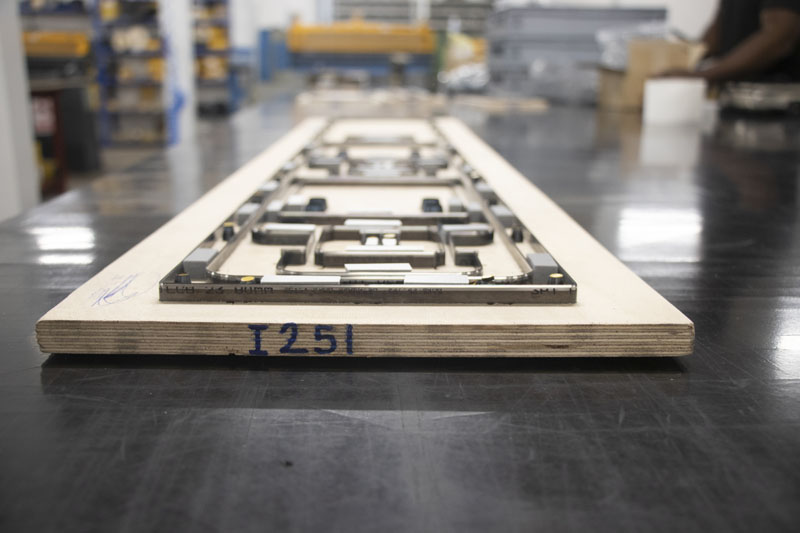
As of July, we now manufacture wood cutting formes on site in our new toolroom. Rather than being designed to cut through wood, wood cutting formes are so called because steel rule cutting blades, formed into the intended shape, are set in a plywood base.

In order to manufacture die cutting tooling to meet our customers’ requirements, we take the following steps.

  1. Consultation – we meet with the customer and obtain the drawings for their product, or the size required in order for us to create our own drawings
  2. Cutting forme base – from the dimensions given in the drawing, we cut the design shape into the plywood base
  3. Shaping cutting blades – the steel rule cutting blade can then be bent by hand to create the shape of the design and be fitted securely into the plywood
  4. Punches – if required, punches are used to create holes in the shape
  5. Inspection – once manufactured, the die cutting forme is carefully inspected to ensure it is correct to the drawing
  6. Sign off – once it passes final inspection, the cutting forme is signed off and ready to send to our customer, or to be used in-house as we manufacture gaskets and washers for our customers

die cutting tooling

Our Die Cutting Capabilities

Our new toolroom supplies the cutting formes for our existing die cutting facilities. Our cutting machines allow us to produce flat pressed parts ranging from simple shapes to highly intricate designs. From custom one-offs or prototypes, to large production volumes, we can cater for all die cutting requirements.

With our cutting facilities, we cut gaskets from a long list of grades of sheet materials that we stock. In order to produce durable, high quality gaskets, our experienced sales team are expert problem solvers, helping customers to select the right hardness and density of high performance materials to suit their specific needs.

die cutting formes

Die Cutting Tooling Manufacturers

If you are looking for a cutting forme manufacturing partner, or require a complete die cutting service, from tooling creation to gasket production, CB Frost is here to assist you. Working with customers in a vast range of industries and with extensive technical knowledge, we work with you to develop the solution to your needs.

If you have a question about die cutting or cutting formes, or are ready to make a manufacturing enquiry, please call us on +44 (0)121 773 8494 or contact us here.

CB Frost Awarded Lucrative Rail Industry Contract

rail industry

Following on from the success of the Rail Industry Technology Roadshow, 2023 has so far been a very positive year for CB Frost and we are pleased to announce that thanks to the new connections we made at the roadshow, we have been awarded a new £120k manufacturing contract.

After an excellent experience at the roadshow in 2019, we were extremely optimistic about exhibiting again this year. As an SME supplying and manufacturing an extensive range of specialist materials and products for the rail industry, such events provide an excellent opportunity to connect with rail OEMs and showcase our manufacturing capabilities.

We reported in March that we were able to speak to over 300 people, obtain more than 500 contacts over the duration of the event, and received five enquiries and three non-disclosure agreements to receive additional enquiries. In May, we are very pleased to say exhibiting at the 2023 Rail Industry Technology Roadshow has directly led to a £120k contract to supply machined parts.

Having been on site for both weeks of this year’s roadshow, CB Frost Business Development Manager Daniel Brock said:

“Being awarded this contract is excellent news for CB Frost. Not only is this new contract from a brand-new customer, the lead was generated from the connections made at the Technology Roadshow.”

Following another fruitful year of exhibiting, CB Frost have already secured their place for the 2024 event.

“CB Frost has exhibited at the past two tours of the Rail Industry Technology Roadshow and following our latest successes, we are very pleased to be signed up for a third time in 2024.

Visit CB Frost at Rolling Stock Networking

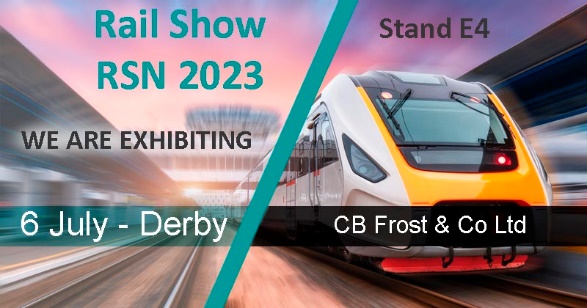
On the 6th July 2023, CB Frost will again be on the road, exhibiting our full range of rail industry manufacturing capabilities and making new connections at the Rolling Stock Networking (RSN) Railshow, taking place at Derby Arena. The event is free to attend and you can find the CB Frost team at Stand E4.

rail show RSN 2023

Like the Rail Industry Technology Roadshow, RSN 2023 provides a valuable networking platform, allowing us to talk to customers of all sizes and showcase the wide range of EN45545-2 compliant products we can supply and manufacture for rail customers. We look forward to meeting new contacts and strengthening our existing relationships.

Looking ahead to the next railshow and reviewing the year so far, Daniel Brock said:

“RSN 2023 provides another great opportunity for us to reiterate the wide range of our manufacturing capabilities to representatives from all areas of the rail industry.

“2023 is shaping out to be a great year all round. From continued investment in our manufacturing capabilities, adding to the sales team, and now being awarded a large contract, it certainly vindicates the hard work that all the team have put in over the past 12 months, and with another chance to exhibit on the horizon, we are very much looking to the future and spreading our ethos of Quality without Compromise.”

To find out more about our manufacturing capabilities and catalogue of EN45545-2 materials for the rail industry, please contact our sales team by calling +44 (0)121 773 8494.

Success at the Rail Industry Technology Roadshow

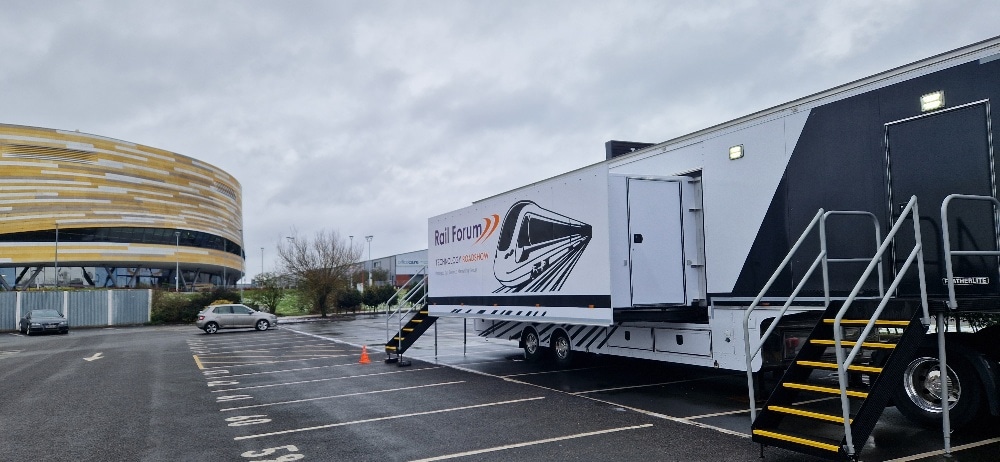
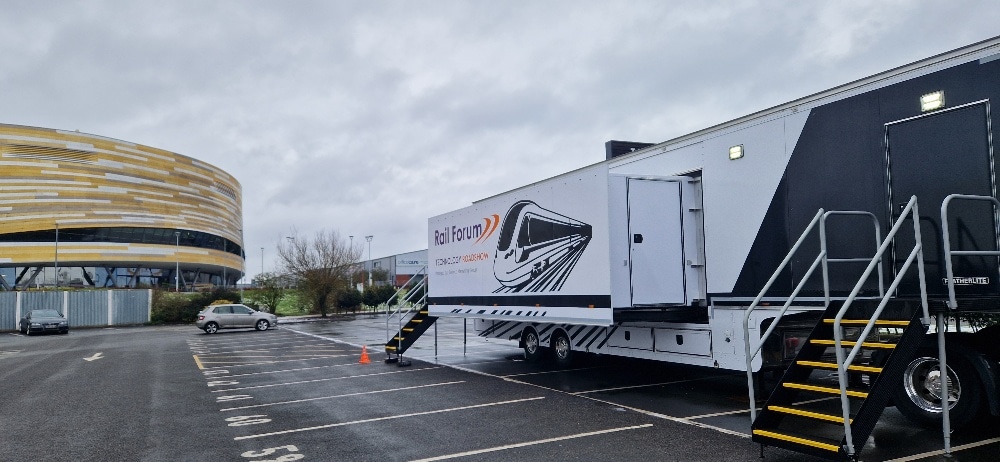
March has been a busy month for CB Frost, with members of our sales team representing us at the Rail Industry Technology Roadshow. The two week long exhibition, supported by Rail Forum and facilitated by Brewco Marketing Group, visited a number of prominent rail industry sites throughout England. As a roadshow, even the exhibition space, a state of the art trailer, was transported around the country from location to location.

In addition to a number of closed events specifically for rail industry site staff, the roadshow also included open events at Pride Park (Derby), Siemens (Goole) and Network Rail (Milton Keynes), where members of the public were invited to learn more about innovations in rail industry technologies. 

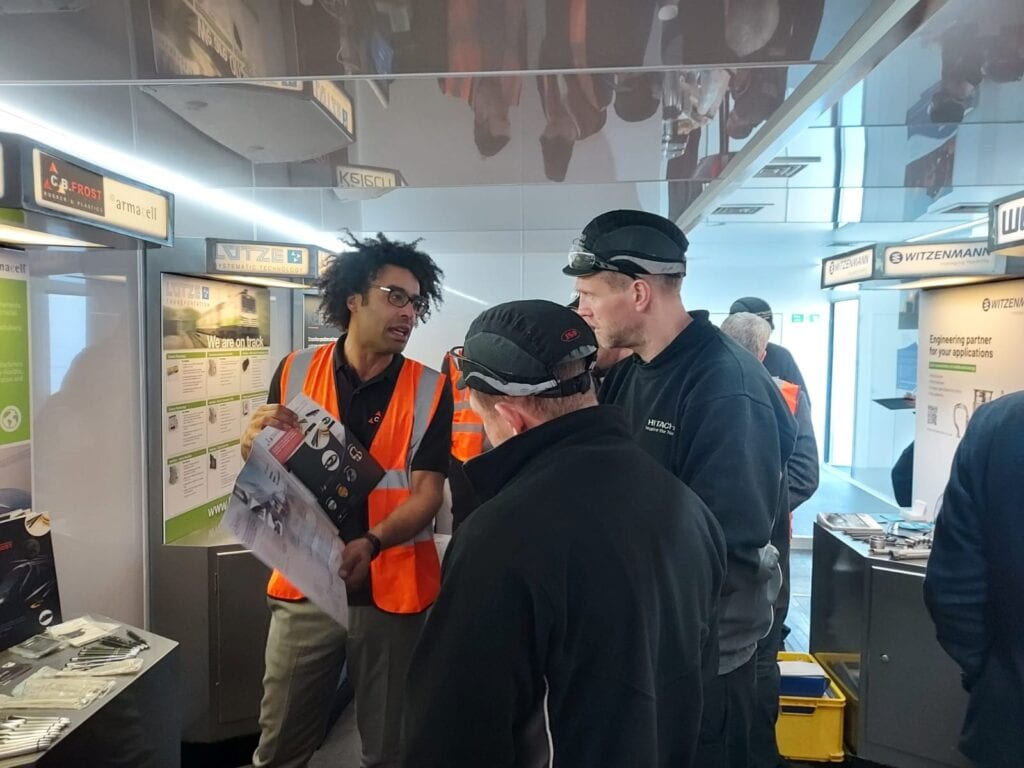
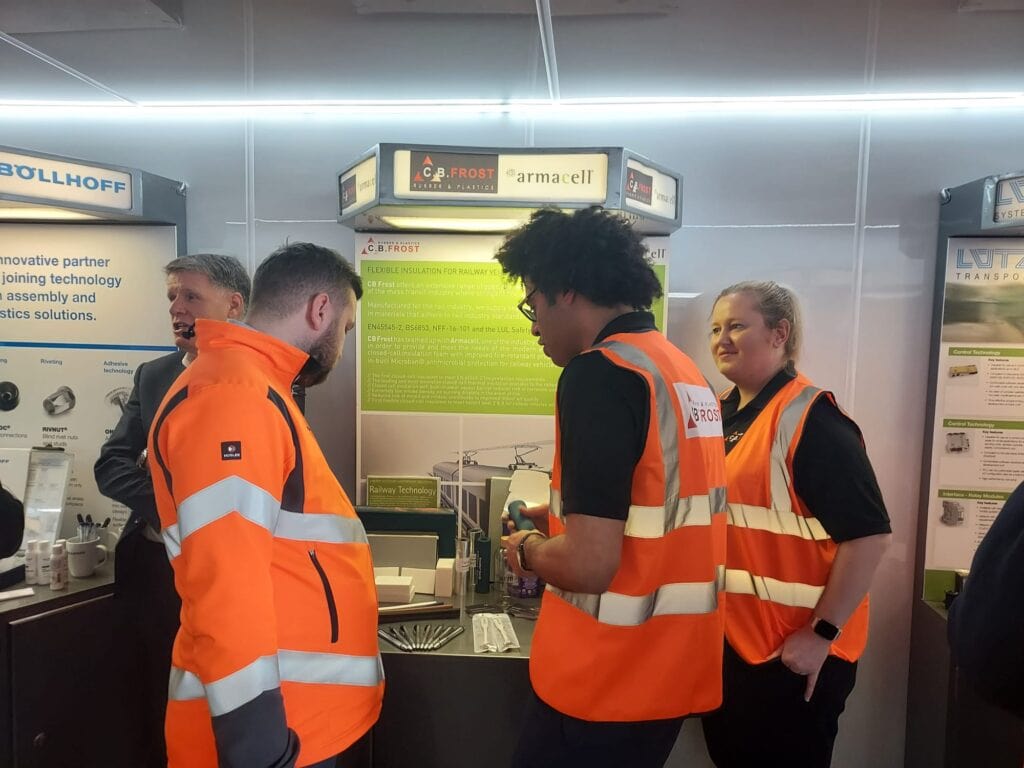
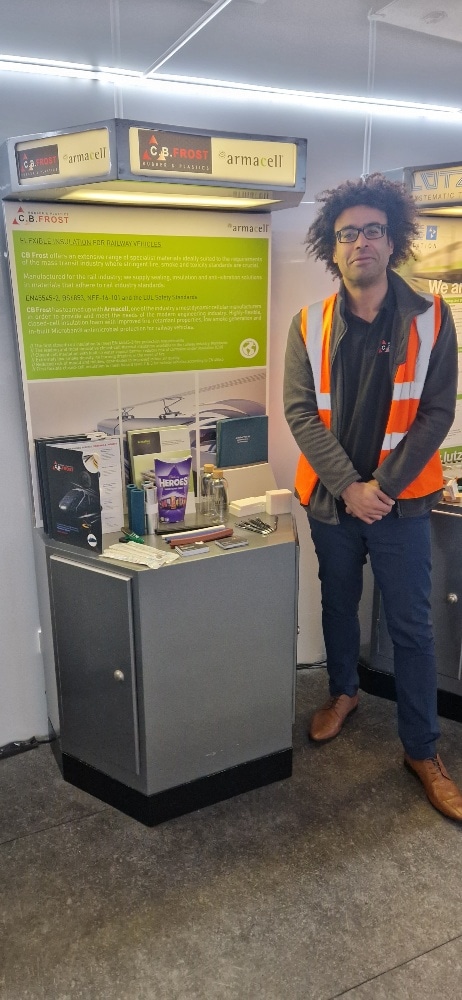
As a specialist supplier and converter of a range of high performance rubber, sponge and foam materials for the rail industry, CB Frost exhibited throughout the roadshow, displaying our extensive range of materials to a wide range of rail industry equipment manufacturers. As a preferred UK distributor of Armacell’s range of Armaflex Rail SD insulation materials and a converting producer of Rogers’ Corporation’s BISCO cellular silicone materials, we showcased high performance materials for a wide range of rail applications.

Rail Industry Technology Roadshow 2023

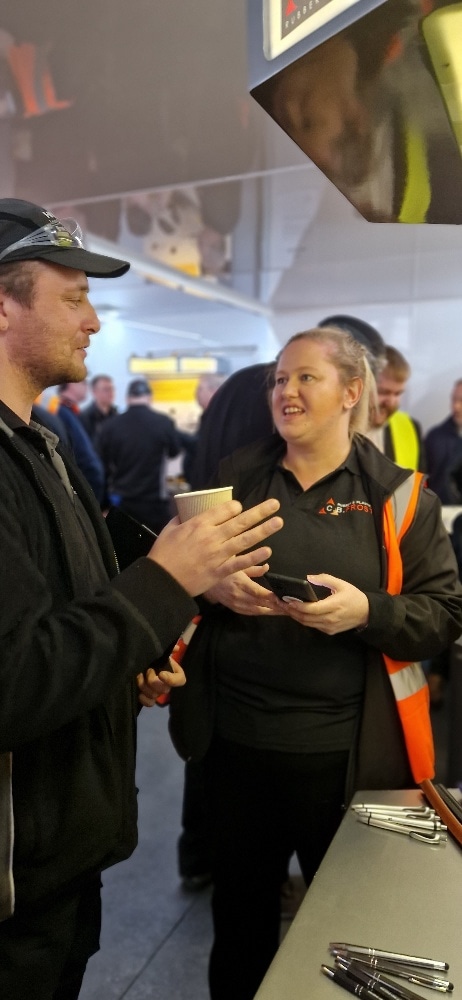
Taking place for the first time since 2019, this year’s Rail Industry Technology Roadshow was a great success for us, providing the opportunity to showcase our catalogue of EN45545-2 materials and speak to over 300 people. We also obtained more than 500 contacts over the two weeks of the exhibition and have already received five enquiries and three non-disclosure agreements to receive additional enquiries.

During the open event at Siemens, Goole, Business Development Manager Daniel Brock shared his thoughts on the event with BBC Radio Humberside – which you can listen to here at the 1hr57 mark.

“As an SME, it’s a great way to showcase our manufacturing capabilities to the large OEMs around the country.

“Last week alone when we were on site at one of the locations, we had over 250 visitors on the day and it was absolutely manic, but brilliant because we are getting to speak to the key decision makers and the people actually handling our products on a day to day basis.”

Sales Coordinator Charlotte Homer was also very pleased with the opportunities presented by exhibiting at the roadshow.

“I was over the moon with the amount of interest we received when showcasing our products and capabilities at the Rail Technology Road Show.

“It was a great opportunity to meet new people (and put faces to names) and hear the valuable feedback on out products. Overall, it was a fantastic event that I was proud to be a part of!”

CB Frost and the Rail Industry

CB Frost has long worked with a wide range of rail industry clients, supplying materials for major rail projects including the Victoria line Underground, Sub Surface Lines and Electro star, along with recent experience working on HSR, Metro and Tramway projects. In order to meet vital industry safety standards, our range of materials comply with EN45545-2 standard for fire safety, BS6853, NFF-16-101 and LUL safety standards.

For more information on our high performance rail materials or to discuss your rail industry project, please call our sales team on +44 (0)121 773 8494.

CB Frost Welcomes New Sales Engineer to The Team

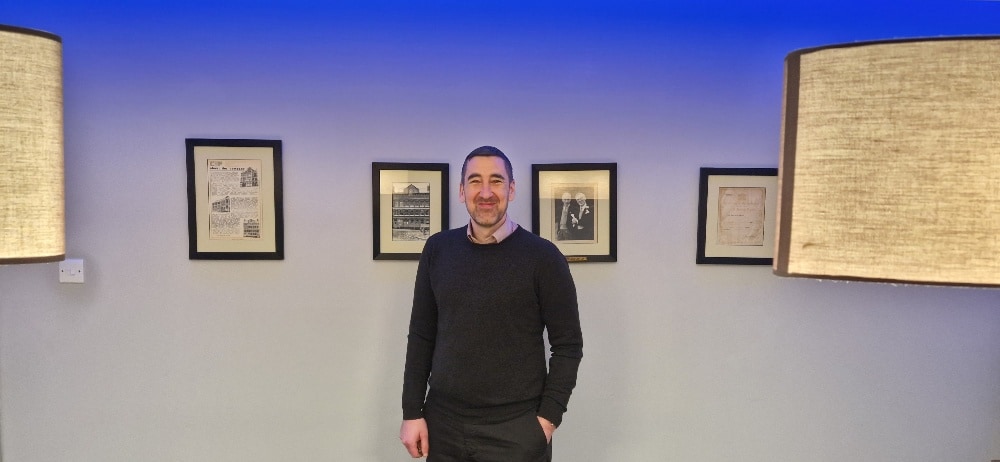
As CB Frost grows and explores new markets, it’s important that we invest in the growth and development of our team. For a number of months now, we have been searching for the ideal candidate to bolster our sales team and we are very pleased to announce the appointment of Elliot Beach as our new Sales Engineer.

Elliot Beach Sales Engineer

It was important for us to take our time to find an individual who not only has the necessary experience to help move CB Frost forward, but shares our ethos and core values. After meeting with Elliot, we decided he was the perfect missing piece for our team. A local lad, Elliot has gained two decades of sales experience, and is a welcomed addition to CB Frost. 

Having now completed his three month probationary period, Elliot is a full-fledged member of the company, working closely with our business development and sales team to develop and deliver for our customer base.

Daniel Brock, Business Development Manager, said “CB Frost have been looking for an additional Salesperson for several months now, which has proven to be quite difficult. However, meeting Elliot for the first time, I was instantly drawn to his professionalism, likeability and desire to succeed in his professional career. It was therefore a no-brainer to ask him to join the team.”

Elliot says “After more than 19 years in sales and more specifically, spending the last 8 years in the castor trade, I was keen to develop myself further with a respected, well-established organisation. When the opportunity of joining CB Frost was highlighted to me, I jumped at the chance. I have been welcomed to the team with open arms and I very much look forward to making a success of my appointment.”

We know that Elliot’s knowledge, professionalism and dedication to succeed will play an important role in moving our business forward in the coming months and years. 

CB frost will be exhibiting at the Rail Industry Technology Roadshow from the 7th March, showcasing our extensive range of EN45545-2 compliant materials for the rail industry, and discussing our specialist manufacturing capabilities. Elliot will be representing CB Frost, along with Daniel Brock, and sales coordinator Charlotte Homer. 

To meet our new sales engineer Elliot and the team, and learn more about our high performance rail materials, join us for an open session at Pride Park, Derby, on the 10th March.