Sections

Latest News

News 4 Aug 2026

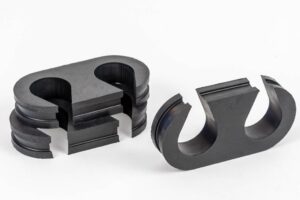
Die-Cut vs. Waterjet Cut Silicone Gaskets

What’s the best choice for your production run? Selecting the right material is critical for manufacturing high-performance seals, but how...

News 23 Jun 2026

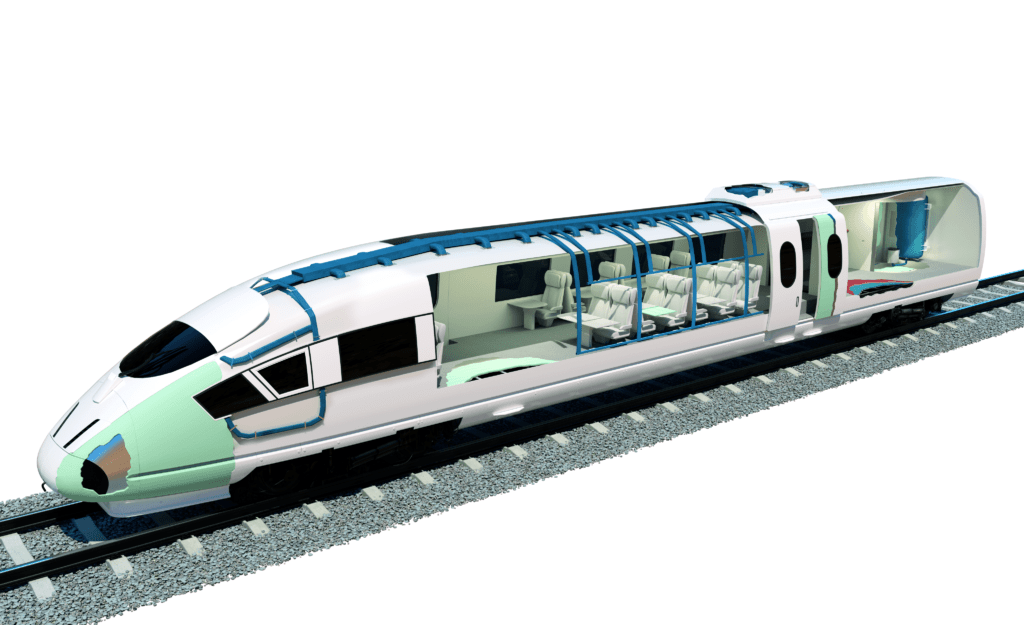
Rolling Stock Networking: Connect with CB Frost at RSN 2026

At CB Frost & Co, we don’t believe in waiting around when a great opportunity knocks. That is exactly why...

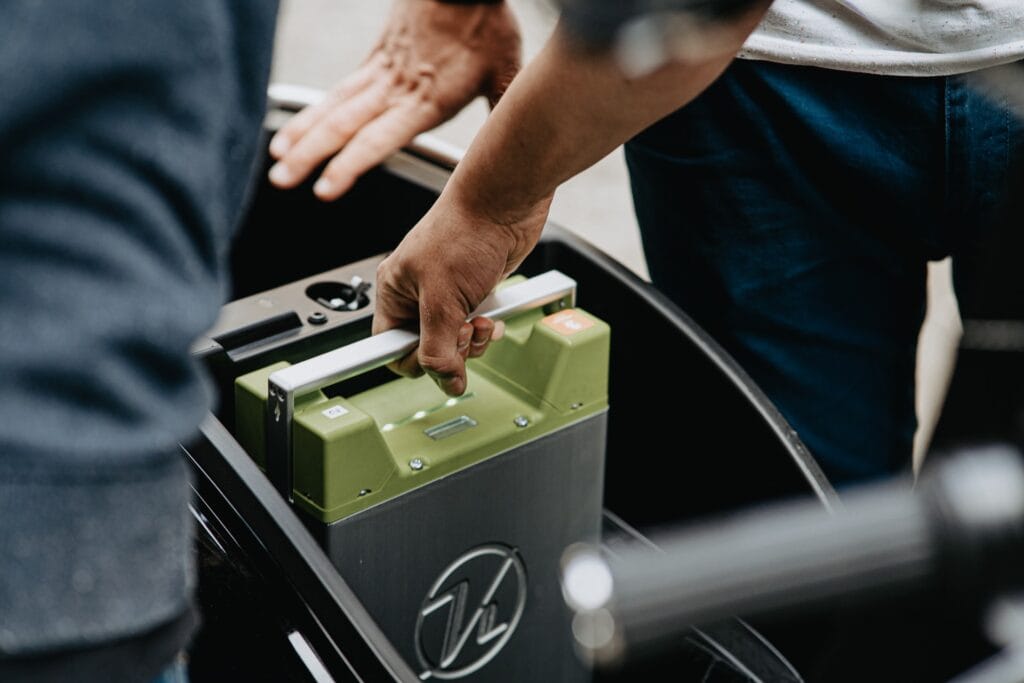
How The Growth of the Electric Vehicles Market is Driving Demand for UK EV Battery Products

Having entered into the EV battery market in 2022, CB Frost is on board to support the developing electric car industry as it grows over the next decade.
electric vehicles

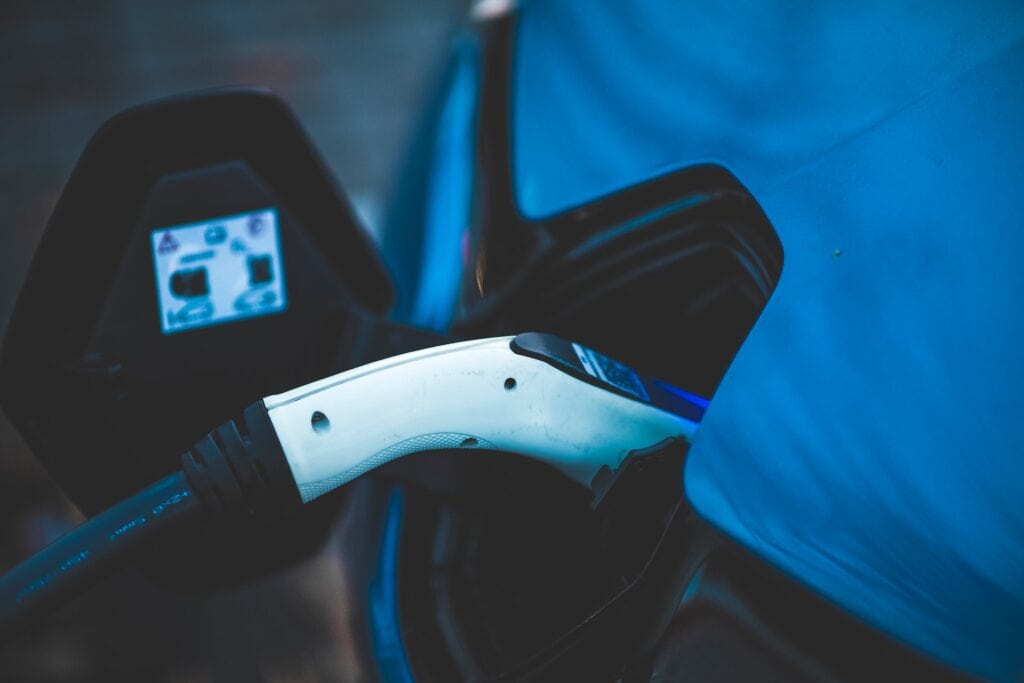
Whilst the balance of vehicles on the roads in the UK and Europe today is weighted considerably in the favour of traditionally fueled vehicles, as opposed to hybrid and electric vehicles, the demand for more environmentally friendly vehicles is growing fast. Whilst to date there has been a reliance on China for EV battery parts, as the market grows rapidly over the next decade, so too will demand for UK manufactured EV battery components.

Government commitments are playing a key role in the growth of the electric vehicles market. The EU has committed to phase out vehicles powered by combustion engines from the year 2035, whilst the UK government has pledged to ban the sale of any new petrol or diesel cars from 2030 onwards. Whilst these commitments are key to protecting the environment in the years to come, the growth of electric vehicles and reduction of traditional vehicle manufacture has raised concerns from UK MPs.

EV and HEV vehicles use Lithium-ion batteries, which are rechargeable and designed for a long life-span. Today, almost all of the processing of Lithium in the world takes place in China and east Asia, which has led to uneasiness from MPs that too much reliance on the east could lead to a break in the EV battery supply chain, should political tensions between Beijing and the west come to a head. 

Lithium refinery projects are underway in Germany and France to help boost electric vehicle prospects in Europe, however, US President Joe Biden has attracted considerably green investment through his Inflation Reduction Act, which has put extra pressure on the United Kingdom and EU to up their renewable energy efforts. 

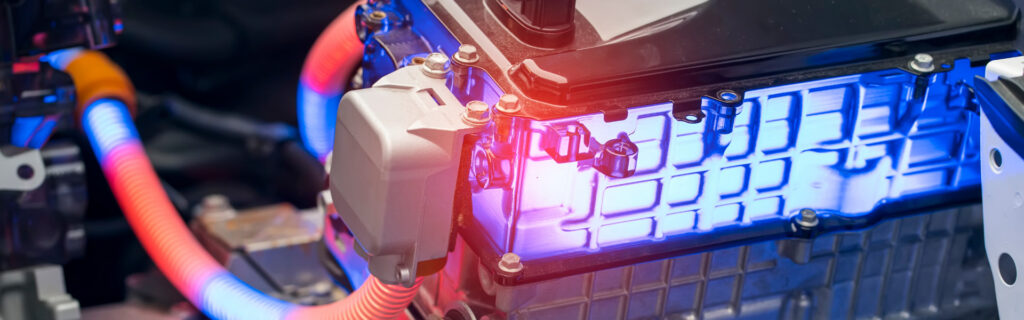
Whilst Lithium is vital for electric vehicle batteries, Lithium-ion battery cells require specialist sealing and anti-vibration components to protect them and ensure their longevity. Partnering with Rogers’ Corporation and their range of specialist materials, CB Frost is well placed to deliver high-performance products to withstand the temperatures and compression that electric vehicle batteries are subjected to, protecting the interior battery cells.

UK battery components to extend EV battery life

As the UK and global vehicle market becomes more and more reliant on electricity, it’s vital that EV batteries are manufactured not only to provide sufficient power for their purpose, but also to withstand the pressures of day-to-day use and regular charging. In order for zero-emissions electric vehicles to flourish and reduce the need for fossil fuels, battery cells must have excellent longevity. 

At CB Frost, we are dedicated to respecting the environment for a greener future and have the materials and manufacturing expertise to design and produce a range of high performance parts to protect Lithium-ion cells and extend EV battery life, including pressure management pads, battery housing seals, cooling plate spring pads, thermal runaway protection pads, manual service disconnect seals, anti vibration pads and cushioning pads. 

electric vehicle batteries

Rogers’ Corporation’s PORON® polyurethanes and BISCO® silicone materials feature all key attributes required for keeping battery components in place and managing compression forces, vibration and fluctuating temperatures, along with providing a seal against dust, fluid and other external contaminants that could affect the lifespan of the battery cell:

  • Excellent fire retardancy qualities
  • Meeting all essential flammability requirements
  • Low outgassing
  • Thermal prorogation delay
  • Excellent compression set resistance.
  • Chemical resistance
  • Capacity fade reduction

Read more about our specialist Polyurethane and Silicone EV battery materials here.

To discuss our range of specialist EV materials and to learn more about the essential high-performance protective parts we can manufacture, call our team today on +44 (0)121 773 8494 or contact us here.

CB Frost in 2022: Electric Vehicles and More

As we enter the new year, it provides an ideal opportunity to reflect on the events of the year that just passed. Whilst 2020 and 2021 saw us face certain restrictions as a result of COVID-19 as businesses in all industries continued to face the long term effects of the pandemic, 2022 was a year that saw CB Frost enter new markets such as electric vehicles, along with winning new contacts in existing markets.

Let’s look at some of what we achieved in 2022, along with some of the key topics we covered in our blog posts.

Entering the Electric Vehicles Market

ev battery

With the number of electric (EV) and hybrid (HEV) vehicles on the road rapidly increasing, in 2022 we teamed up with Rogers’ Corporation to supply a range of products for Lithium-ion battery packs for EV and HEV vehicles. With access to Rogers’ range of specialist materials for EV batteries, combined with our expertise in manufacturing, we have been able to develop high performance products for applications including 

  • Pressure management pads
  • Battery housing seals
  • Cooling plate spring pads
  • Manual service disconnect seals
  • Thermal runaway protection pads
  • Anti vibration and cushioning pads

With the return of trade shows and expos in a physical capacity, we were excited to showcase Rogers’ Corporation’s range of PORON® polyurethanes and BISCO® silicone materials, along with our range of EV battery components. Two key events we attended included the Battery tech Expo at Silverstone, and the Battery Cell and Systems, and Vehicle Electrification Expos at the NEC, Birmingham.

Attending these events provided our team with the chance to explore the scope of battery technology innovations, along with making new contacts and discussing our own range of materials and EV battery products.

Supporting the Ministry of Defence

CB Frost have long been a supplier to the Ministry of Defence, working alongside well-known names in the defence industry, including Babcock Defence, BAE and General Dynamics. In May 2022, we were pleased to sign a new £60k contract to supply the MoD.

Following more than 12 months of hard work by CB Frost Business Development Manager Daniel Brock and Sales Coordinator Charlotte Homer, we were awarded a long term contract from the MoD to support the British Army. Under our new contract, we supply a range of rubber products for the MoD’s UK armoured vehicle programme. The Boxer is a state-of-the-art armoured vehicle offering the highest levels of protection whilst maintaining fantastic mobility.

Our Material Range and Manufacturing Capabilities

As well as providing news on new developments for CB Frost and the industries that we supply, our blog also provides a platform to highlight our extensive range of high performance materials, designed to meet the requirements and regulations of many industries.

To help our customers in selecting the best suited materials for their applications, we discussed the key advantages of our range of foam rubber products, as well as taking a more detailed look at our high performance silicone materials for the rail industry, and highly versatile PORON® Urethane materials.

As experts in the conversion of rubber, sponge and plastic materials, in addition to providing our expertise in helping customers select the right materials for their needs, we also deliver the highest quality of manufacturing services, converting our impressive range of materials into products to meet the needs of our clients. 

During 2022, we made the most of our website’s blog to highlight our manufacturing knowledge and experience, sharing our rubber moulding advice and why to choose injection or compression moulding. We also profiled our extrusion and fabrication capabilities, discussing the processes involved in rubber extrusion and fabrication processes.

rubber extrusions

Looking Forward to 2023 and Beyond

We believe that a key element contributing to our century plus existence as a company is our forward thinking approach. In addition to learning from the lessons offered by the challenges we have faced each year in the history of CB Frost, we always have our fingers on the pulse of each industry we supply and work tirelessly to not only keep up with industrial advancements, but understand how technologies and processes will continue to advance in the years to come. 

To discuss your future needs and learn more about our extensive range of high performance materials and manufacturing capabilities, contact our team today by calling 0121 773 98494.

Why to Select PORON® Urethane for Industrial Applications

PORON® Urethane is a flexible and highly versatile open celled foam material that offers excellent performance in many different applications, from everyday equipment such as sportswear, protective gear, and communications equipment, to parts within the Hubble Space Telescope. With its compression set resistance, non-fogging, and low outgassing properties, it is well suited for many cushioning, sealing, gasketing and vibration/sound absorption applications.

PORON® Urethan

Grades of PORON® Urethane

Patented by global leader in materials development, Rogers Corporation, PORON foam is manufactured through repeated casting and curing of mechanical frothed urethane monomers until it achieves the desired thickness. By altering the density and controlling the chemistry of PORON®, different grades of foam material are developed to suit different applications, including:

Poron 4701-30 – Very soft foam material for use in gap filling and flexible gasketing applications

Poron 4701-40 – Soft PORON foam material, suitable for a diverse range of purposes.

Poron 4701-50 – Firm foam material, ideally suited for gasketing applications where high energy impact management is required.

Poron 4701-60 – A very firm urethane foam commonly used for energy management and gasket applications for enclosures.

Poron 4790-92 – Extra soft foam with a slow rebound and very low closure force.

Poron 4790-79 – Available in a range of densities to suit different designs and applications, well suited for cushioning and shock absorption.

Poron AquaPro® 4701-37 and 4701-41 – Featuring excellent water sealing capabilities and available in a range of thicknesses.

Poron EVExtend® – Foam material with an excellent compression set, designed specifically for us in EV/HEV applications.

Poron ShockPad® – Foam material with excellent compression set resistance, providing excellent impact protection, whilst also allowing for extremely thin designs.

Poron ShockSeal® – Foam material that is well suited for cushioning and sealing applications, conforming to small and highly intricate designs.

Poron V-0® – Designed for long term performance, meeting UL94 V-0 and HBF flammability ratings.

PORON foam

Key Benefits for Industrial Use

There are a range of beneficial properties that allow PORON to be such a versatile and valuable material for an array of different industrial applications. Perhaps the most important trait to consider is the open-cell structure of each grade of PORON®. This design ensures that when exposed to pressure, the material compresses, but upon release of the pressure, it is able to return to its original shape and size.

Whilst closed-cell foams can provide an effective cushion by holding air in pockets within the material, over time, these air pockets leak, and the foam begins to lose its physical memory, which can lead to the failure of gasketing and sealing applications, as well as rendering cushioning or vibration isolation applications ineffective. In contrast, the open cell structure of PORON foam allows for air to move freely through the material, so when pressure is released, air can easily flow back into the open cells in order to return the material to its original shape. 

In addition to sealing applications, this compression set resistance means that PORON® Urethane is also highly effective in impact and vibration absorption, and cushioning. For applications where resistance to chemicals and other liquids is important, for example, industrial machinery, or automotive equipment, PORON foam provides an ideal solution due to its low outgassing qualities. It also exhibits strong resistance to a wide range of temperatures (between -40 and +90℃) and is UL94 approved for flammability resistance.

PORON® Urethane is also available in thicknesses ranging from as thin as 0.3mm, up to 12.7mm, and can easily be manufactured in a range of products, including gaskets, washers, strips and sheeting. It is also well suited for use with various adhesives for tape, or for fabrication with other materials.

Selecting the Ideal Poron Foam

As a preferred UK converter of Rogers Corporation, with a relationship of more than 30 years, CB Frost are well placed to offer advice on the right grade of PORON® for any application, as well as offering the manufacturing facilities and expertise to deliver the perfect products for your industrial needs.

To discuss your requirements, please contact our sales team by calling +44 (0)121 773 8494.

Our Capabilities: Rubber Extrusions and Fabrications

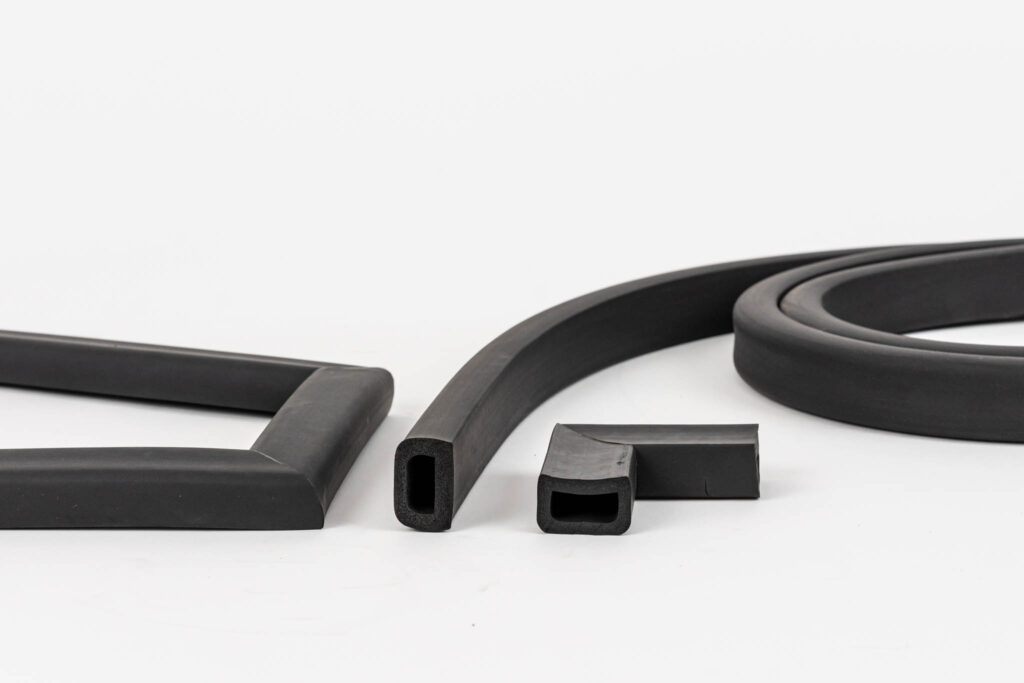
At CB Frost, we supply extruded rubber profiles for various industrial sectors. With our in house manufacturing capabilities, we custom make rubber extrusions in an extensive range of solid rubber and sponge compounds to suit the intended application. With our many years of experience in manufacturing and supplying extruded profiles, we are here to help you select the right materials and processes to suit your needs.

rubber extrusions

The Process for Rubber Extrusions

Before we discuss in more detail some of the processes we can use for fabricating and reinforcing extruded rubber profiles, it’s important to understand the basic rubber extrusion process and the type of parts that are commonly created through the extrusion process. 

As with rubber moulding, the extrusion process starts with a compound of raw rubber materials, which are placed under heat and pressure to achieve a certain shape. However, rather than raw rubber compound being placed into a mould, the extrusion process begins with the production of a die. 

A die is a piece of tooling designed to produce parts with a specific cross-section profile, achieved when the heated rubber compound is pushed through the opening of the die at a high pressure. In order to ensure that the die maintains its shape and provides a consistently accurate cross section, it is manufactured from materials such as stainless steel, which is able to withstand high pressure, temperature, and will not suffer degradation such as rust.

To extrude rubber, the raw compound is placed into a hopper, which directly feeds into the die. As the rubber is fed into the die, it is placed under increased temperature and pressure so that it swells and is pushed against the edges of the die so that when it escapes through the opening of the tooling, it has been formed into the cross section of this negative space. The finished product can then be supplied in coils, or cut to specified lengths, depending on the customer’s requirement.

There are a range of benefits to extrusion as a production method, for example, it is an economical way to manufacture rubber parts due to it being a low waste manufacturing process, as parts can be cut down to the required length. In some cases, parts of the same fabricated profile can be cut to multiple different lengths; this is particularly useful for extruded rubber parts such as:

  • Window seals
  • Door seals
  • Edge protection seals
  • Dust seals
  • Vibration reducing gaskets

Extruded Rubber Fabrications

In addition to simply providing rubber extrusions in coil form or cut to size, we can also use different manufacturing techniques to fabricate or bond extrusions together to suit certain applications.

Hot spliced extruded seals

The hot splicing process bonds the ends of extruded profiles together using a thin film, which is then subjected to heat from an infrared light or more conventional heat source, in order to create a solid bonded seal. Hot splicing allows for rubber exdtrusions of different lengths to be bonded together to create new shapes for seals and gaskets.

Vulcanised extruded seals

Vulcanised joining is another process used for joining together rubber extruded profiles into rings and mitred corners, using the same rubber material for the joints as the extrusion. This highly reliable and cost-effective joining process provides an almost invisible join and is commonly used to create products such as tubing, O-rings, and square/rectangle profiles in low volumes.

Your Extrusion Needs

Talk to us today about your extrusion needs. As specialists in rubber extrusion and conversion, our sales team are always on hand to talk you through the best suited materials for extrusion, along with the manufacturing processes to provide the best product to suit your application. Please contact us by calling 0121 773 8494 and we will be happy to be of assistance.

Rubber Moulding: Injection Moulding or Compression Moulding?

Over the decades, we have gained significant expertise in rubber moulding processes. With our extensive catalogue of materials, we supply moulded rubber parts in a range of commercial materials, along with industry specific grades, ensuring that our customers can choose the best material to suit their application. 

Our team is always on hand to help you select suitable moulding materials to meet industry standards including EN45545-2, and BS6853 fire safety standards for the rail industry, along with other industry standards such as military grade, WRAS and FDA.

rubber moulding

At CB Frost, as experts in the conversion of a wide range of rubber materials and polymers, we also manufacture tooling to suit each application, from prototypes to small batches, or multicavity rubber moulds for large scale and long running schedules. Depending on the customer requirement, we use both injection moulding and compression moulding processes to produce rubber moulded components. As well as helping you to select the best suited materials, we will also advise on the moulding production process that best fits your needs.

Injection Moulding

Injection moulding obtains moulded rubber parts by injecting molten rubber or plastic materials into a metal, hollowed out mould. Once enough of the molten material is injected into the mould, it is then cooled in order to allow the material to set into the intended moulded shape.

There are many advantages to choosing the injection moulding process, including:

  • Injection moulding is well suited to producing small and large, simple and intricate parts.
  • A wide range of materials can be selected for this moulding process.
  • The injection process ensures that the molten material fills the mould evenly to produce extremely consistent results, reducing the likelihood of component failure. A further advantage of this consistency is that rubber mouldings rarely need extra finishing or trimming once they are removed from the mould cavities, making for a highly efficient process.
  • Compared with other manufacturing processes, there is very little waste associated with injection moulding, as only the necessary amount of material is injected into rubber moulds.
  • Whilst injection moulding can be used for short production runs, it is extremely well suited to long runs as moulded parts can be manufactured in faster cycles than other moulding methods and the process can be automated, allowing for parts to be produced effectively in mass in a short period of time. Thousands of parts can be moulded before tools require maintenance or replacement.

Needless to say, whilst there are many advantages to injection moulding, factors such as tooling cost and the design of moulded components must be considered.

Compression Moulding

The compression moulding process works by placing pre-weighed raw rubber or plastic materials into the moulding cavities of a pre-heated tool (mould). Once the desired quantity of raw material is added to the cavities of the mould, it can then be closed so that heat and pressure can be applied in order to start the moulding process. Once the rubber mouldings are set (cured), the mould can be opened and the part removed.

Some of the key advantages of compression moulding include:

  • As the compression moulding process is simpler than injection moulding, the tooling is less complicated and therefore, lower in cost and can be manufactured from lower cost grades of aluminium or steel, providing they can withstand the pressure of the compression moulding process.
  • As a result of cheaper tooling, compression moulding is useful for shorter production runs and for prototyping where injection moulding may not be as cost effective.
  • If you are in need of a moulding process to produce large, bulky moulded parts, then compression moulding is ideal. As the raw materials are loaded directly into the mould cavity, there is less limit to the weight of the part that can be manufactured.

When considering compression moulding, whilst there are many benefits, you may find that this is not the best suited process if you are seeking to reduce waste and labour cost, require fast processes for long production runs, or wish to manufacture complex moulded parts.

Rubber Moulding Advice

To ensure you make the right choices when choosing the best suited materials and processes for creating rubber mouldings to meet your specifications, contact our expert team today. As suppliers and converters of an extensive list of material grades, with experience in manufacturing parts for customers in many industries, we can help you make the right decisions.

Call us on 0121 773 8494 to talk about your moulding needs.

Choosing the Right Gasket Materials (and Gasket Manufacturers)

Whilst a gasket may be a relatively simple component in many cases, the importance of choosing the right gasket materials cannot be underestimated. Selecting a material that lacks the required properties leads to gasket failure, the repercussions of which can be extremely costly, both in terms of production delays and equipment damage, or even injury. 

Gaskets come in many different variations, shapes and sizes, including flat gaskets and moulded gaskets. Regardless of the shape of a gasket, its most important function is to provide a buffer between two mating surfaces, acting as a mechanical seal against liquids, gas, dust or any other element that could be detrimental to the application. 

These functions considered, in order for a gasket to be successful, it’s vital that it is manufactured from a material that can resist the elements it will be exposed to in order to maintain an efficient seal.

gasket materials

Let’s address some of the key factors to be considered when choosing the right gasket materials.

Selecting Resistant Gasket Materials

There are a range of environmental factors that can impact on the efficiency and durability of a gasket. Depending on the application, you may need to consider:

UV/Ozone

Outdoor applications are subjected to UV light from the sun and Ozone from the atmosphere, which can result in gasket degradation for materials that do not exhibit strong UV resistance. Materials such as Nitrile rubber and natural rubber are ill-suited for outdoor applications as they can be attacked by UV and Ozone, whereas Silicone rubber is a good choice for outdoor gaskets as it performs well when exposed to UV and Ozone.

Chemicals 

Resistance to chemicals, oils and fuels may be an important factor to consider when choosing materials for certain gasket applications. When certain materials are exposed to abrasive chemicals, they can deteriorate, causing a gasket to fail. EPDM rubber offers a good resistance to many chemicals and hydraulic oils, making it an ideal gasket choice for automotive applications.

Moisture

Gaskets for preventing sealing against liquids must be non-absorbent and moisture resistant. Neoprene and Silicone rubbers react well when exposed to water or moisture for long periods of time.

Shock and Vibration

In applications where vibration or shock can cause damage to components, a shock absorbing gasket material is important to dampen any shock that could lead to product or equipment failure. Developed for use in the Rail industry, HT800 Silicone Sponge features a compact cell structure that resists impact and isolates vibration, making it an ideal choice for protective gaskets.

Temperature

Another factor that cannot be ignored when selecting gaskets is temperature resistance. In certain applications, sealing material must be able to withstand extreme low and/or high temperatures, as well as temperature fluctuations, without changing shape or degrading. Silicone rubber materials generally provide a strong resistance to extreme temperatures.

Compression

The compression set of a material is how much a certain material can be compressed without its shape being permanently deformed. A material with a high compression set will not return to its original shape after compression, whereas a material with a low compression set is highly flexible and will return to its original shape and density after compression. 

Low compression set materials, for example, Silicone foams or PORON® Urethane, are well suited for electrical and lighting enclosure gaskets, preventing the ingress of dust and debris. For strong gasket materials with a high compression set, EPDM rubber can provide a good solution. 

Shore Hardness

In order to find a suitable gasket material, the materials’ shore hardness must be considered. A sealing material must be soft enough to fit a gap between two mating surfaces, but also hard enough to withstand pressure, vibration or impact it is exposed to. Soft materials such as cellular sponges and foams have a low shore hardness, whereas hard plastics and rubber compounds feature a high shore hardness. Solid rubber materials feature a more balanced shore hardness.

When it comes to finding a gasket material with a suitable shore hardness, it is always advisable to work with experienced gasket manufacturers to identify the materials that best suit your application.

Industry Standards

In addition to providing necessary strength, durability and resistance, gaskets are also subject to many industry standards for safety. For example, sealing materials for use in the rail industry must meet standards including EN45545-2, BS6853:1999, NFF-16-101 and the LUL (London Underground) safety standards. In order to choose materials that comply with necessary industry standards, it is important to seek technical advice from gasket manufacturers.

Choosing Gasket Manufacturers

With over 100 years of experience in the rubber and plastics industry, CB Frost has gained considerable expertise in supplying and converting gasket materials for most industrial sectors, including rail, construction, lighting, HVAC, electrical, defence, and most recently, the electrical vehicles market.

As a UK industry leader, our team possesses excellent technical knowledge to advise customers on the most suitable gasket materials in our extensive rubber, sponge, foam product range. We also have extensive in house conversion capabilities, including high speed cutting, extrusion, moulding and fabrication.

To discuss your gasket needs, please contact us by calling +44 (0)121 773 8494.

High Performance Silicone Foam for Rail Applications

Partnered with leading cellular silicone manufacturers, Rogers Corporation and Armacell, and utilising decades of experience in converting rubber and plastic materials, CB Frost has earned a reputation as a leading supplier of silicone foam and rubber for the Rail and Mass Transit Industry, providing materials for a wide range of applications, from door seals to seat cushions.  

What is EN45545-2?

In order to supply to the rail industry, our extensive range of rail insulation materials and products must meet the most stringent rail industry requirements for fire safety, smoke and toxicity. As well as remaining effective over a wider temperature range than most cellular silicones, our silicone foam materials comply with important industry standards, including BS6853, LUL (London Underground), NFF-16-101 and EN45545-2.

EN45545-2 is the European standard for the highest level of safety in the rail industry. As of 2018, tighter requirements have been put in place, requiring all materials and components for railway vehicles (including interior surfaces, seats and seals) to be tested to EN45545-2 standards. The key parameters of testing include ignitability, flame spread, heat release, smoke opacity and smoke toxicity. 

Our rail industry customers can rest assured that all specialist rail materials and products that we supply are comprehensively tested to ensure they comply with EN45545-2, along with a range of other industry standards.

The advantages of Silicone Foam for Rail Vehicles

Cellular silicone rubber and silicone foam are widely considered the most effective materials for a range of applications within rail vehicles due to their excellent resistance qualities that ensure long term reliability for sealing, cushioning and safety:

Flame retardancy and low smoke toxicity – As discussed, silicone foam materials for the rail industry are thoroughly tested for flame retardancy and low smoke toxicity under the European standard. As a result, they offer a safe and effective solution for many applications within rail vehicles.

Environmental resistance – Certain grades of silicone foam maintain excellent resistance to ozone and UV light and remain effective within a wide temperature range, making them ideal materials for protecting and sealing outdoor rail applications.

Compression set and sealing ability – Silicone foams also feature excellent compressibility, memory and low stress relaxation, and softness. These characteristics are advantageous for sealing and vibration isolating applications, as well as helping to provide comfort to rail passengers.

Common rail applications for EN45545-2 foam materials include:

Door Seals

The compressibility, low weight, softness and memory of BF2000 silicone foam makes it a highly suitable material for gap filling and door sealing applications within rail vehicles.

Gap Fillers

The softness, compressibility and durability of BF1000 and BF2000 silicone foams ensure that they can effectively fill and seal gaps of variable shapes and sizes.

HVAC Seals

The excellent memory, low stress relaxation and compressibility, combined with temperature range, make BF1000 and BF2000 foams ideal HVAC sealing materials, helping to reduce maintenance costs related to gasket failures.

LCD Display and Lighting Enclosure Gaskets

Silicone materials such as BF1000 and BF2000 are highly effective in protecting against the penetration of dust, moisture, air and light, providing an effective seal for LCD displays and lighting enclosures.

Seating Cushions

MF1-55 is a foam material designed to suit a wide range of cushioning applications. Tested to rail fire safety standards, it is widely fabricated for use in seating cushions, providing comfort and safety for rail passengers.

Smoke Seals

The compression set and resistance capabilities of MF1-55, BF1000 and BF2000 are well suited to smoke sealing applications, preventing the spread of smoke through rail vehicle ceiling and panel compartments.

rail industry

High Performance Rail Industry Materials

For high performance rail industry materials that comply with EN45545-2, BS6853, NFF-16-101 and London Underground safety standards, contact CB Frost. All materials are available in rolls, sheets, pads, gaskets or fabrications. 

Call +44 (0)121 773 8494 to discuss your needs and our experienced team will be happy to help you select the ideal material for your application.

EV Battery Materials – Exploring the Electric Vehicles Market

EV battery

Having teamed up with Rogers’ Corporation and their range of  PORON® polyurethanes and BISCO® silicone materials, CB Frost have entered the fast growing electric vehicles market, manufacturing and supplying a range of EV battery components, including battery compression pads and cushions, anti-vibration pads, enclosure seals, thermal runaway protection and impact protection pads.

In order to network with other organisations within the EV and HEV market and to grow our knowledge of battery technology, we have committed to several Electric vehicle and battery technology trade shows this year and we recently had the opportunity to attend the Battery Tech Expo at Silverstone, Northamptonshire.

Battery Tech Expo 2022

Battery Tech Expo is an annual event that brings together the most up to date technologies and services related to battery technology, from battery storage and battery management systems, to lithium ion batteries and EV/HEV batteries, with the aim of exploring the innovation driving the battery supply chain.

This event provided an excellent opportunity for us to learn more about the latest battery technology, how batteries are manufactured, how they are stored and how they are used in a wide variety of applications, including electric vehicles.

As well as a learning experience, the Battery Tech expo also allowed us to network with a wide range of other organisations within the battery supply chain. CB Frost Business Development Manager Daniel Brock commented:

“The Battery Tech Expo at Silverstone was a great experience. As well as exploring the full scope of battery technology innovations, we had the opportunity to discuss our own range of materials and manufacturing capabilities.

“We are very happy to have picked up 10 new prospects at the expo and even received an order whilst on site!”

Battery Cell and Systems Expo and Vehicle Electrification Expo, NEC, Birmingham, 29-30 June 2022

On the 29-30th June, CB Frost will have the opportunity to attend the Battery Cell and Systems Expo and the Vehicle Electrification Expo, both of which will be held at the NEC, Birmingham.

The Battery Cell and Systems Expo is the UK’s largest ever battery technology exhibition and conference, bringing together representatives from the entire battery manufacturing supply chain. As well as providing the chance to learn from world class speakers, companies from around the world will be using the show to demonstrate and launch their products, showcasing innovative new technologies.

Alongside the Battery Cell and Systems Expo is the Vehicle Electrification Expo, which will bring together the entire electric vehicles supply chain and present the latest technologies in EV/HEV batteries, along with solutions to improve electric vehicle performance, safety, efficiency and sustainability. 

CB Frost Sales Director Mark Jones, and Business Development Manager Daniel Brock will both be at the NEC, taking the opportunity to learn more about emerging technologies within the electric vehicle and EV/HEV battery industries, as well as introducing our range of high performance materials for EV battery applications, including:

  • PORON® Polyurethane
  • EVExtend Polyurethane
  • HT800 Silicone Foam
  • BF1000 Silicone Foam
  • BF2000 Silicone Foam
  • ProCell Aluminium Foil

Specialist EV battery materials and common applications

If you are attending the Battery Cell and Systems Expo and Vehicle Electrification Expo at the NEC and would like to get in touch with us, or if you would like to find our more information on our specialist EV/HEV battery materials and applications, call our team on +44 (0)121 773 8494 or get in touch here.

CB Frost Awarded £60k Defence Industry Contract to Support the MoD

defence industry

Following months of work, CB Frost has been awarded a £60k defence industry contract from MoD to support the British Army.

In 2019, a specific group of OEMs were selected to undertake key parts of the manufacturing process for the MoD’s new Boxer armoured vehicle. In addition to fabricating armoured vehicle structures, they were also responsible for the assembly, integration, and testing of the finished Boxer vehicles. 

After more than 12 months of work by Business Development Manager Daniel Brock and Sales Coordinator Charlotte Homer, on the 27th May, CB Frost signed a long term contract to supply numerous rubber parts to the Ministry of Defence in support of this project. Not only will they be supplying parts for the mass build but will also be providing spare parts for the next 25 years, supporting the life of the vehicle.

On signing this MoD contract, Daniel Brock said: 

“To have been awarded the contract is excellent news as this showcases our ability to supply quality materials to an array of industries. CB Frost have been a supplier to the MoD for more than 50 years, so to be awarded a contract for the latest armoured vehicle is extremely exciting.  It’s also a testament to the work Charlotte has done and for her patience and perseverance over the last 12 months which has allowed CB Frost to put a successful package together.“

Charlotte Homer added:

“We were thrilled to find out CB Frost have won the contract for the new Boxer armoured vehicle and are looking forward to the future possibilities this could lead to. It has been a great learning experience and I have thoroughly enjoyed working with my Manager, Daniel, in building a lasting relationship with the customer. A massive thank you to my Managers and Directors for the continued support and guidance throughout this project.”

The Boxer is a state-of-the-art wheeled armoured vehicle that boasts the highest levels of protection and excellent mobility. More than 800 vehicles have so far been supplied to various NATO nations, and CB Frost are proud to be a supplier for MoD’s UK armoured vehicle programme.

Supplying the Defence Industry

CB Frost has long been a supplier to the MoD, working along well-known defence industry names such as BAE, General Dynamics and Babcock Defence. We understand the needs of the MoD’s land and naval systems, assisting us in manufacturing and supplying the practical, compliant and cost-effective solutions for the defence industry. 

In keeping with our company ethos of quality without compromise, we invest in our manufacturing technology and equipment to produce products that meet the high specifications of the MoD and offer the various types of required paperwork, including CoC, D Certification and FAIR documentation.

Our most commonly requested products for the MoD include:

  • O-Rings
  • Rubber Gaiters
  • Moulded Seals
  • Bespoke Turret Seals
  • Gaskets
  • Noise and Thermal Insulation pads

For more information on our manufacturing capabilities or to discuss your MoD product needs, please contact our sales team by calling 0121 773 8494 or submit your enquiry here.

What is Nitrile Rubber?

Nitrile rubber, also known as Buna-N or NBR, is a synthetic copolymer of acrylonite (ACN) and butadiene. First developed by a German pharmaceutical conglomerate in 1931, commercial production of nitrile rubber began in 1935 and is now widely used in a range of industries in addition to medical and pharmaceutical, particularly the food, automotive, aerospace, nuclear and power generation industries.

nitrile rubber

Why choose Nitrile Rubber?

In 2022, nitrile is now one of the most popular sealing materials used, owing to its wide range of advantageous characteristics. If you are considering choosing nitrile for your application, read on to ensure that it is a suitable material.

Excellent resistance qualities

NBR material is often chosen for its resistance to aliphatic hydrocarbons, petroleum-based oils and fuels, hydraulic fluids and water. Nitrile also functions well within a wide temperature range of between -20℃ and 100℃, retaining its strength and flexibility even at low temperatures.

As a result of these properties, nitrile is a common material across applications within the automotive industry. The water resistant characteristics of nitrile also make it well suited to food and pharmaceutical uses.

Strength and abrasion properties

In addition to resistance to oils, fuels and a wide range of temperatures, Nitrile is also widely chosen for its high tensile strength, abrasion resistance and durability, even when faced with high temperatures. 

As a result of the above properties, nitrile rubber is used for a wide range of common applications for industries such as automotive, petrochemical, aerospace and military, including gaskets and O-rings. Nitrile rubber sheet is suitable for a range of manufacturing techniques, for example, it can be cut into gaskets, washers or strips, or used in fabrication, extrusion and moulding processes.

Limitations to be aware of

Whilst NBR material is widely used, there are certain limitations to be aware of when choosing sealing materials for certain applications. Whilst nitrile resists temperature, oils and fuels, it is not compatible with applications where it will be exposed to ozone, sunlight and weather conditions over long periods. 

For applications where fire and smoke resistance is important, high grades of nitrile rubber should be specified.

Contact CB Frost

If you have questions about nitrile rubber material in relation to your application, our knowledgeable sales team is on hand to help ensure you specify the best suited material for your needs.

We supply an extensive catalogue of rubber materials to suit all applications. Whether you are looking for prototypes or custom one-offs, or are in need of high production volumes, we have the materials and manufacturing capabilities to ensure the success of your application.

Call us on 0121 773 8494 or contact us here.